Fall Processing Check-Up: 10 Considerations for Your Herd
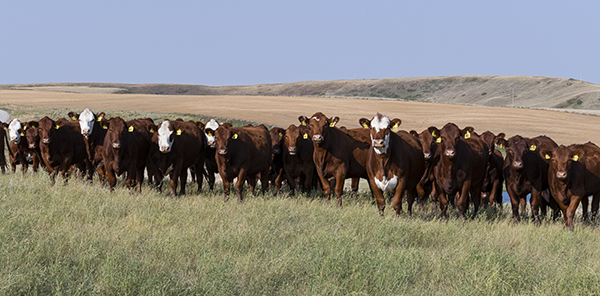
Fall is a busy time for Canadian beef producers. As cattle come off pasture, there are several tasks to complete before winter. Fall processing provides an opportunity to assess the herd, update records and collect information to support management decisions for the months ahead.
Knowing which cows are pregnant, each animal’s body condition and the quality of stored feed can help inform decisions about culling, winter feeding, herd health and reproductive management. Much of this information can be collected in a single pass through the chute.
Here are 10 considerations to add to your fall processing checklist:
#1: Update Vet-Client-Patient Relationship
A vet-client-patient relationship (VCPR) is a professional relationship between a veterinarian, client and the cattle under their care. It allows veterinarians to provide veterinary medical services and advice on the health and management of the herd.
Maintaining an established, trusted relationship with your veterinarian is an important first step in fall herd management. Some medications require a valid VCPR to be prescribed. Having an established relationship means your veterinarian is familiar with your herd, its health history and your management goals. This can help guide fall planning, prioritize herd health tasks and support management decisions for the months ahead.
Discuss your fall processing plans with your veterinarian in advance. This can help determine which herd health tasks can be completed during the same handling session and ensure any required medications, vaccines or other supplies are available when needed.
#2: Preg-Check Cows
Pregnancy detection provides valuable information for making fall management decisions. It can help evaluate bull fertility, monitor reproductive performance, estimate approximate calving dates and sort cows into management groups.
Knowing which cows are open and which are pregnant also helps determine how they should be managed through the winter. Depending on feed costs, market conditions and the goals of the operation, producers may choose to:

- Pregnancy check and cull open cows in the fall
- Preg-check and feed open cows separately to market at a later date
- Overwinter the entire herd and cull open cows in the spring
The Economics of Pregnancy Testing Calculator can help cow-calf producers make the most economical decisions for their operations.
Pregnancy checking can also be combined with other fall processing tasks, such as updating the VCPR, administering appropriate vaccines and recording body condition scores.
#3: Assess Body Condition
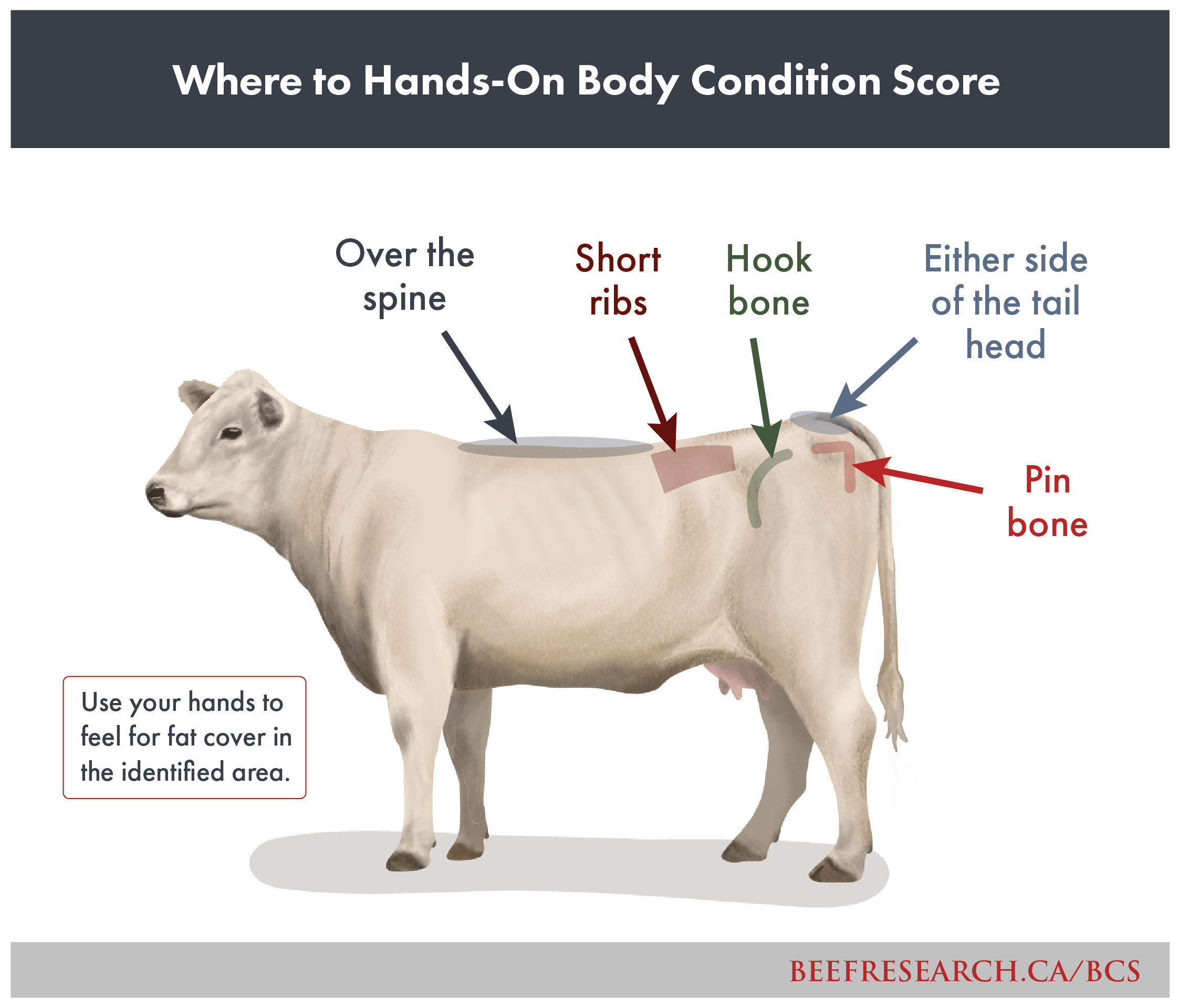
Body condition scoring (BCS) is a simple tool for assessing the amount of fat cover on cattle and identifying animals that may need additional nutrients.
Fall processing is an ideal time to record BCS. Identifying thin cattle before winter provides an opportunity to adjust their feeding program before nutritional demands increase in the colder months. A hands-on assessment can provide a better indication of fat reserves than visual assessment alone.
Use BCS results along with pregnancy status and feed test results to identify cattle that may need to be managed separately during the winter.
#4: Examine Parasite Control and Vaccination Plan
Fall is a good time to evaluate your herd health program and determine whether any vaccines or other herd health treatments are due. Work with your veterinarian to develop a parasite-control and vaccination plan that fits your herd.
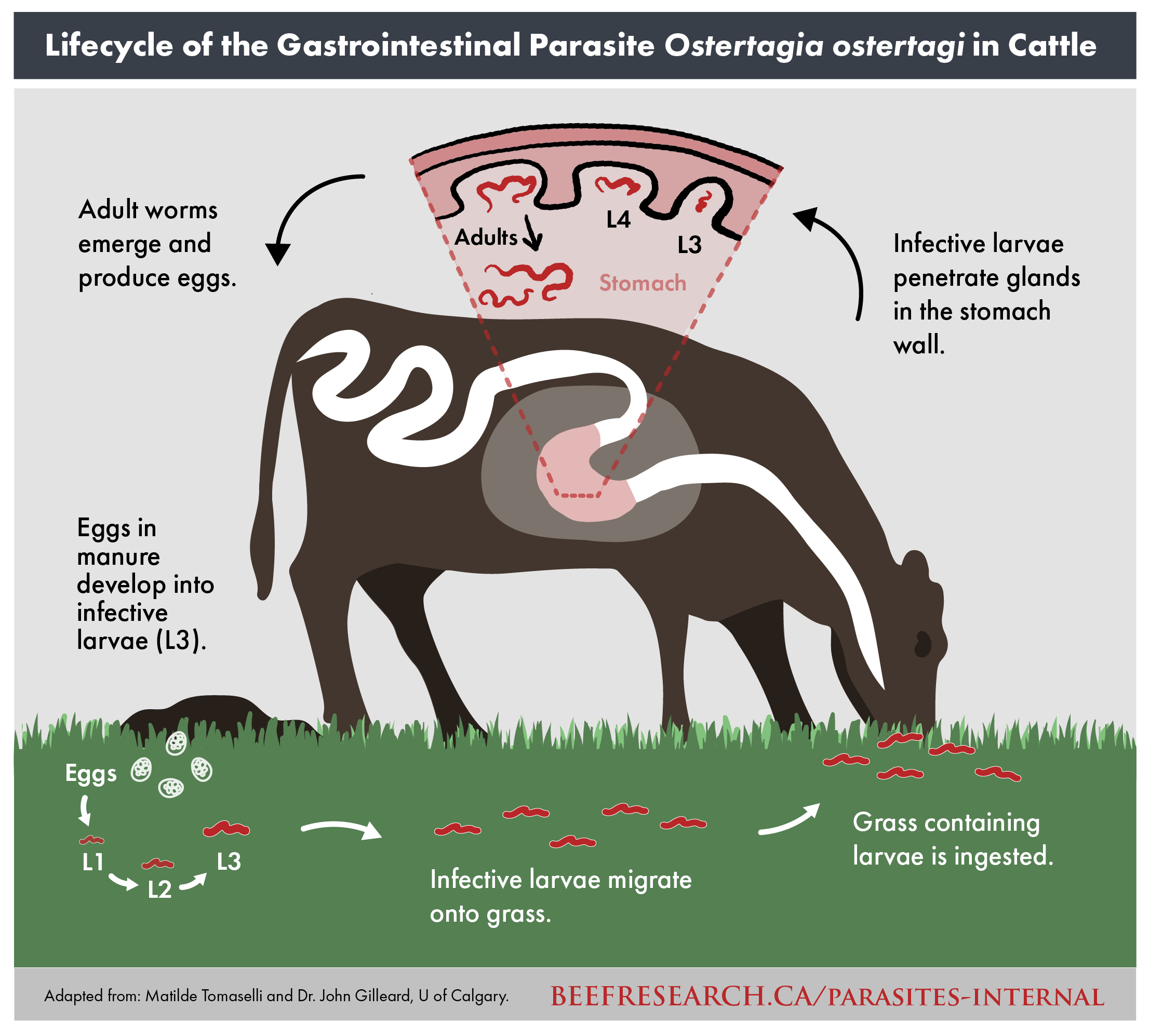
Internal and external parasites can affect cattle health and productivity. It is important to understand which parasites affect your herd and to what extent. The overall goal is to use the correct product at the correct time on the animals that need it most.
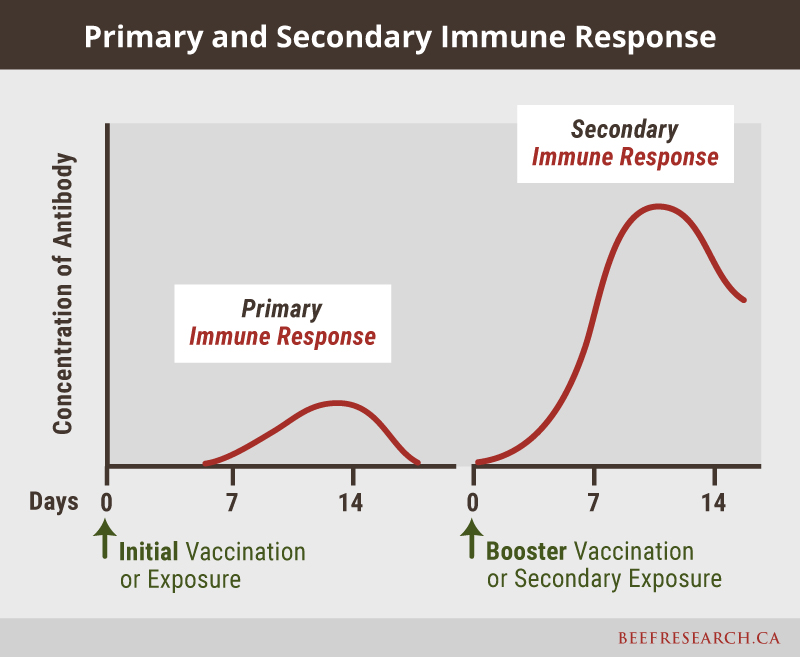
Vaccinating your cattle is a key component to a herd health program. Vaccines stimulate an animal’s immune system to produce antibodies that help protect it against diseases that can negatively affect reproduction and performance.
#5: Check Health Product Inventory
Before processing cattle, complete an inventory of vaccines, treatments, parasite control products, syringes, needles, icepacks and other supplies that may be needed.
Check product labels for storage requirements, expiry dates, dosage and administration instructions. Make sure products are stored appropriately and that there is enough inventory to complete the planned herd health tasks.
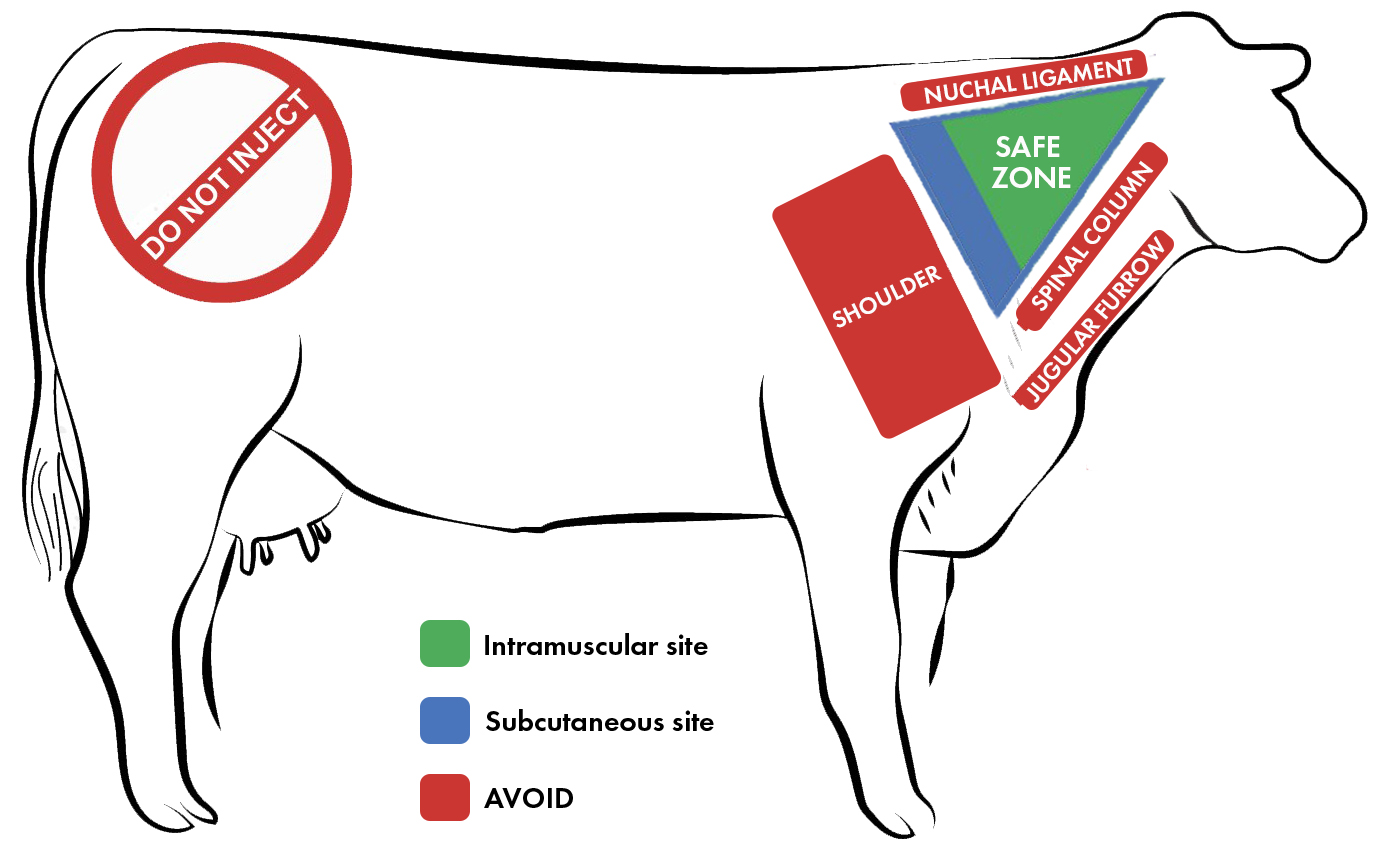
Everyone involved in processing cattle should be familiar with proper injection techniques and use appropriate protective equipment.
#6: Test Feed and Water
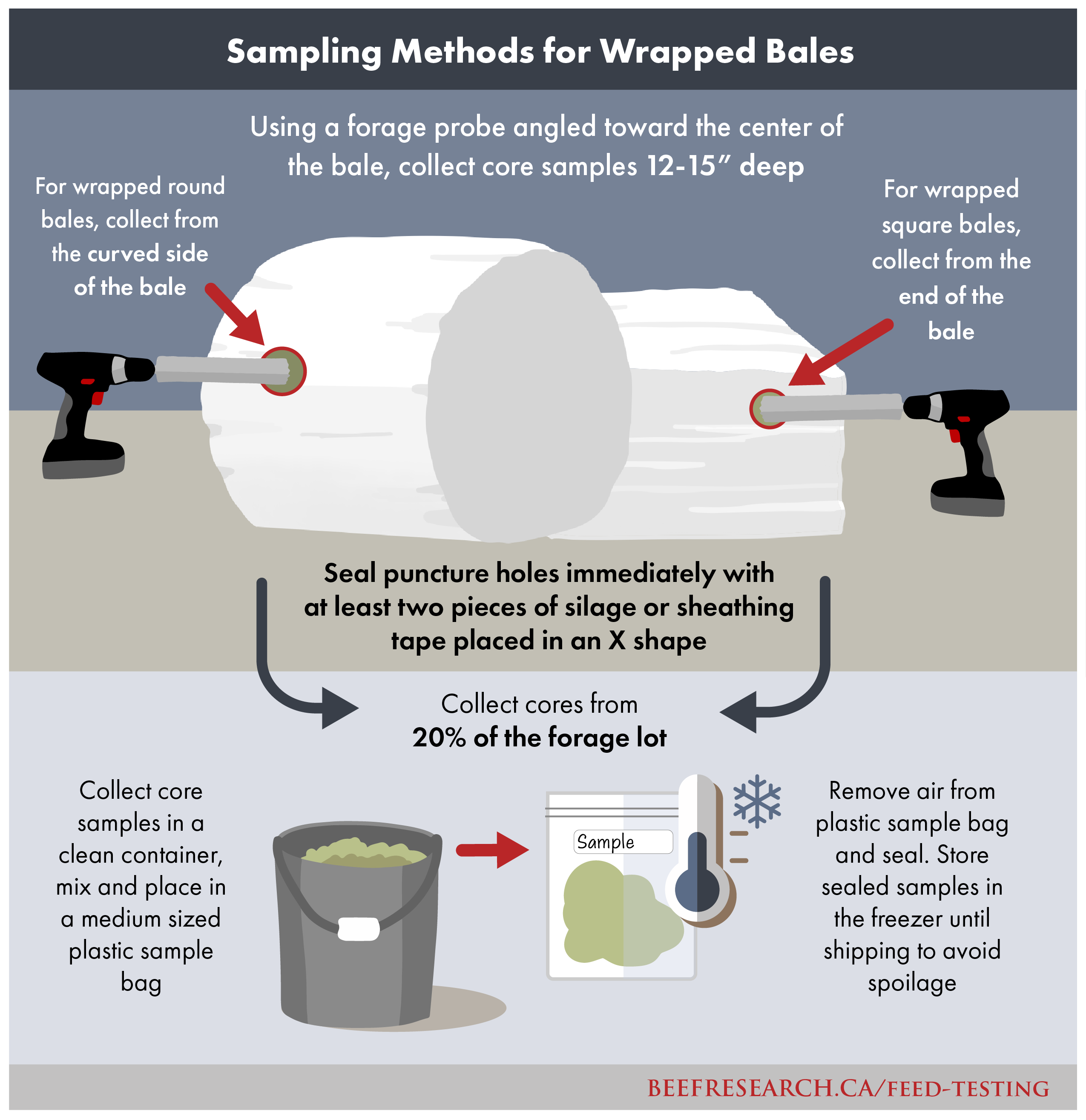
Feed testing and water testing can help identify nutritional issues before they affect animal performance and can guide winter feeding decisions.
Test stored feeds that you will be using in the coming months and use the results to determine whether additional energy, protein, minerals or other nutrients may be required. Consider the needs of different groups of cattle when developing winter feeding plans.
Water quality can also affect cattle health, water intake and performance. Regular testing can help identify potential problems before they affect the herd.
Feed and water test results, combined with pregnancy status and BCS, can help determine whether animals should be managed or fed differently through the winter.
#7: Analyze Bull Performance
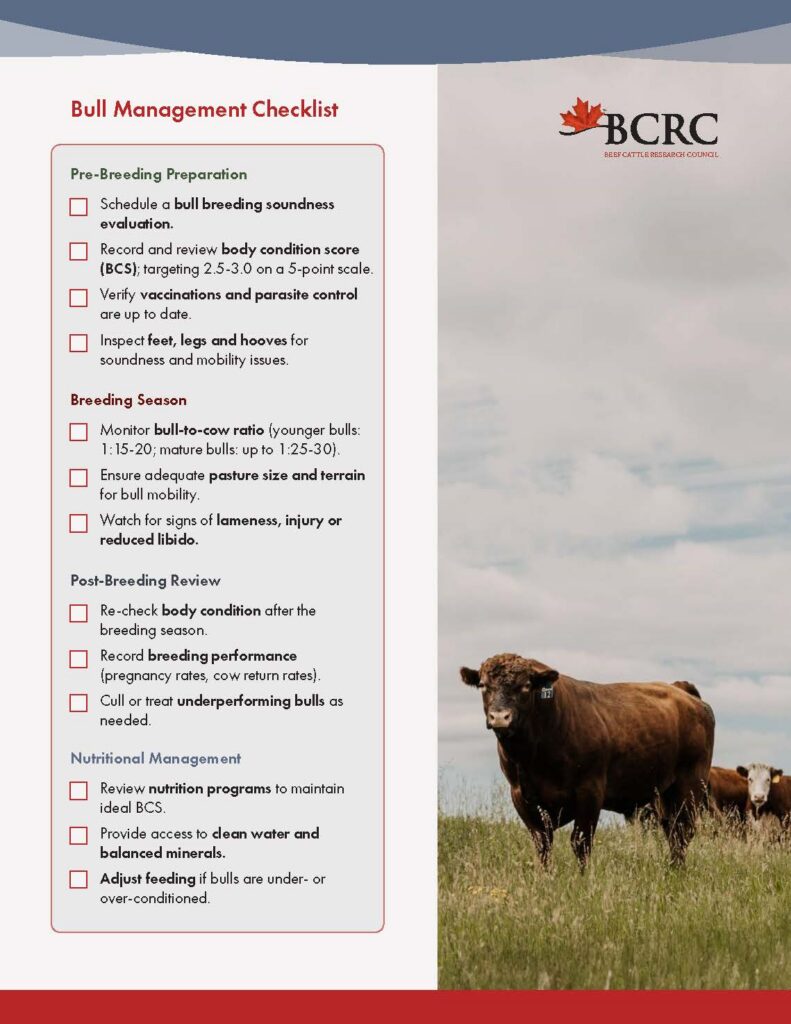
Fall is an ideal time to evaluate bull performance during the breeding season. Check body condition, feet, legs and note any injuries or other concerns observed during or after breeding. This information can help you identify bulls that may need to be culled, replaced or managed differently next year.
This is also an appropriate time to determine whether the genetics used in the herd continue to fit your operation’s breeding goals.
#8: Evaluate Replacement Heifers
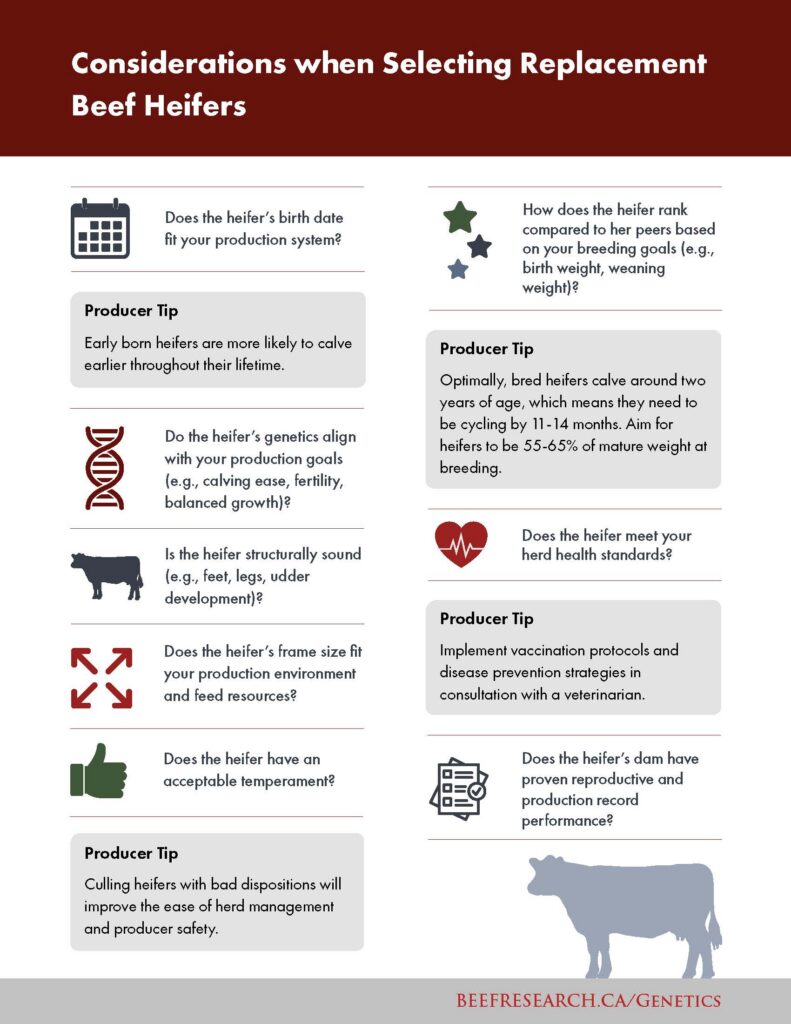
Replacement heifers are the future of the cow herd, so it pays to consider potential replacements and confirm they fit your operation’s breeding goals. When selecting replacements, consider factors such as soundness, temperament, health status, genetic merit, dam performance and records.
Replacement heifers should be pregnancy checked and their records updated. An open heifer should be evaluated for culling based on the goals and reproductive strategy of the operation.
#9: Make Culling Decisions
Use the information collected during fall processing to help solidify animals that may no longer fit the herd. Pregnancy status, body condition, health history, reproductive performance, age, feed inventory and production records can all help inform culling decisions.
Making these decisions in the fall can help reduce winter feed costs and avoid carrying animals through the winter that are unlikely to remain in the herd.
#10: Keep Good Records
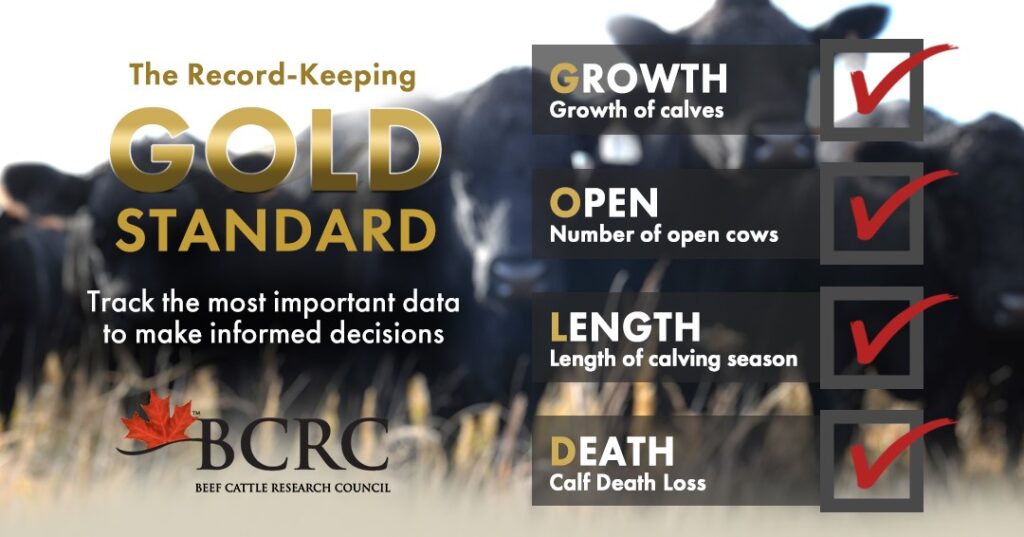
While the information is fresh in your mind, write it down. Pregnancy status, BCS, weights, health treatments, culling decisions, bull performance and replacement heifer notes can all be useful information for future herd management decisions.
Good records provide a history of the herd that can help identify trends, evaluate performance and support decisions based on more than memory or guesswork.
The BCRC’s Guide to Beef Herd Records That Help Make Profitable Decisions webinar recording provides information on records that can be useful for herd management. In addition, the Introduction to Farm Records & Benchmarking topic page and Verified Beef Production Plus (VBP+) Sample Records & Templates are great resources for producers looking for a place to start with farm record-keeping.
Plan Ahead and Make the Most of Fall Processing
Fall processing is an opportunity to gather information, assess where the herd is at and make decisions that will affect management through the winter and into the next breeding season.
Planning ahead and combining tasks when cattle are already in the chute can save time and reduce animal stress. Use the information collected to guide winter feeding, herd health, culling and replacement decisions, and record it all so it can support future management decisions.
Sharing or reprinting BCRC articles is welcome and encouraged. Please credit the Beef Cattle Research Council, provide the website address, www.BeefResearch.ca, and let us know you have chosen to share the article by emailing us at info@beefresearch.ca.
The BCRC is funded by a portion of the Canadian Beef Cattle Check-Off.
Your questions, comments and suggestions are welcome. Contact us directly or spark a public discussion by posting your thoughts below.