Countdown of the 10 Most Popular Resources for Beef Cattle Producers in 2025
The Beef Cattle Research Council is pleased to provide Canadian beef producers with practical, science-based information. In 2025, we released dozens of new posts, videos, webinars and interactive tools to help producers improve productivity, animal care and profitability.
As we look back on the past year and gear up for 2026, here are the 10 most popular BCRC posts of 2025:
#10
Growing Forage Crops–What Does It Cost?
Growing forage crops involves significant costs that vary by crop type, inputs and management practices. This BCRC post highlights the importance of calculating expenses such as seed, fertilizer, equipment and labour to make informed decisions and to ensure forage production remains economically sustainable.
#9
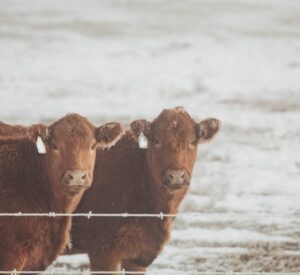
Treat Her Like a Cow: Building Fertile, Profitable Heifers
Building fertile, profitable heifers starts with proper development before breeding, focusing on nutrition, health and growth to ensure they reach target weights and puberty on time. This article emphasizes strategic management and monitoring to improve conception rates, longevity and overall return on investment.
#8
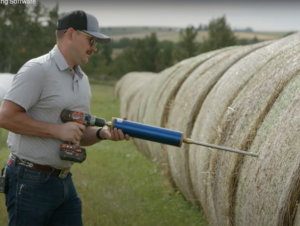
Feed Testing: A Tool for Better Returns
Feed testing helps producers understand the actual nutrient content of their forage and feed, allowing them to balance rations accurately and avoid costly performance losses. This post highlights how this simple, low-cost tool can improve herd health, efficiency and overall profitability.
#7
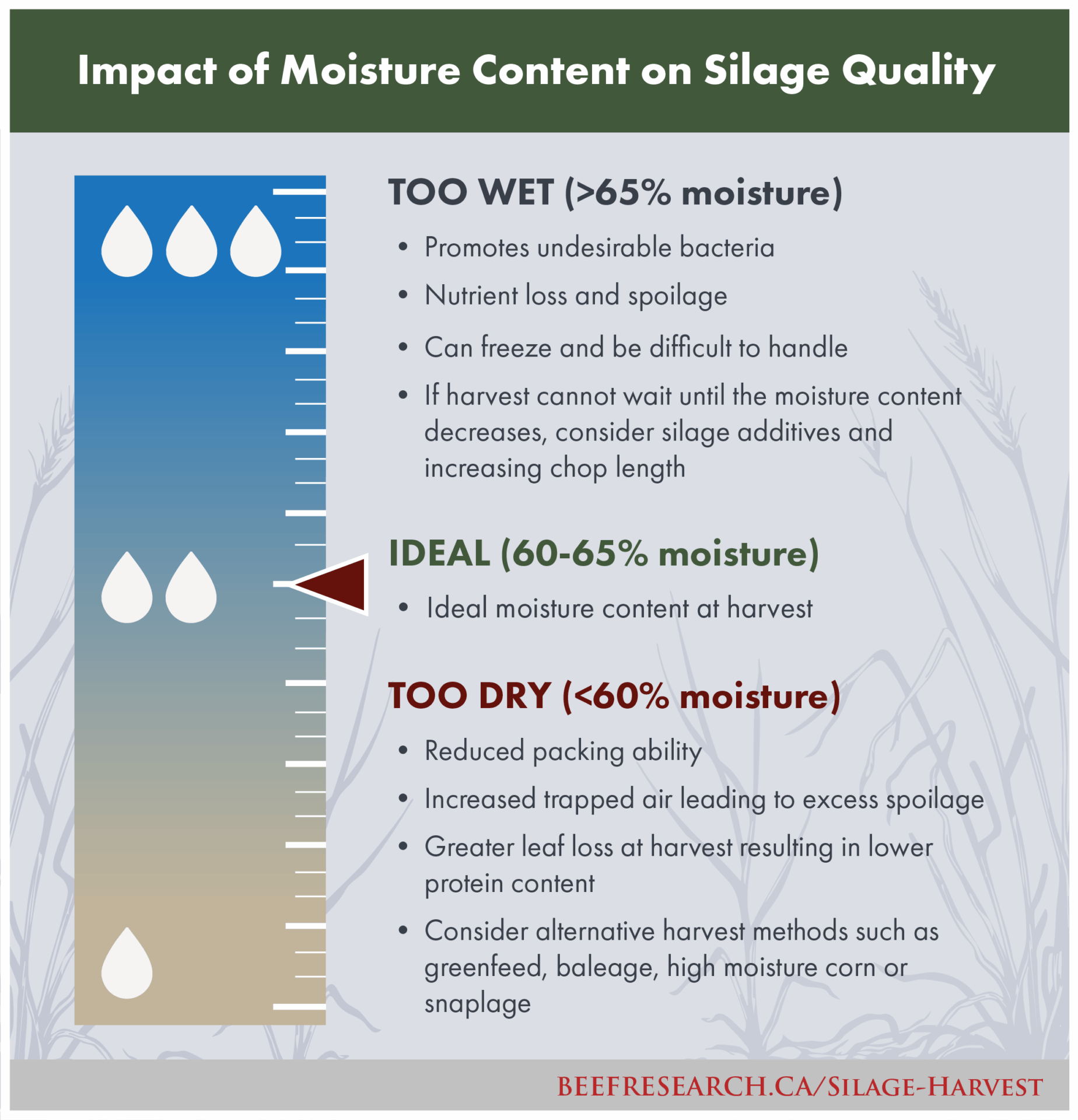
Silage Production: Beneficial Practices for Preserving Forage Quality
Proper silage practices such as timely harvest, proper packing and airtight sealing are essential to preserving forage quality and preventing spoilage. This article emphasizes that attention to detail during ensiling can reduce nutrient losses, improve feed value and boost overall herd performance and profitability.
#6
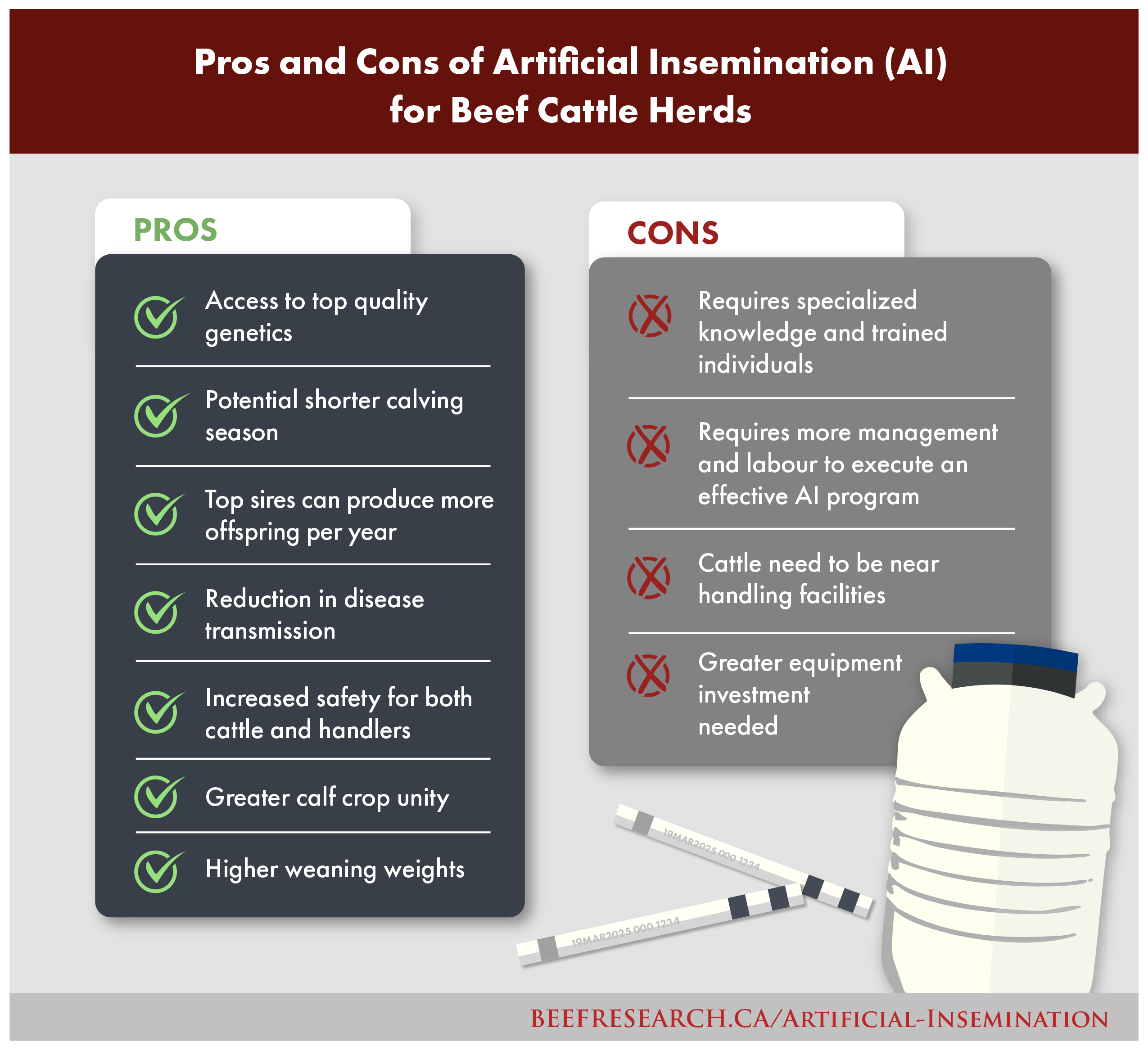
Boosting Herd Genetics: Artificial Insemination Brings Big Benefits to Small Beef Herds
Artificial insemination gives small beef herds access to top genetics without the cost of owning multiple bulls, improving herd quality and competitiveness. This article highlights benefits such as greater uniformity, shorter calving seasons and reduced disease risk. We explore modern tools, such as synchronization protocols and sexed semen, which can make breeding more efficient and strategic.
#5
Selecting Replacement Heifers: Boosting Longevity and Return on Investment
Selecting strong replacement heifers is crucial for long-term profitability, as raising heifers is an expensive process and payback often takes five to seven years. Focusing on traits such as structural soundness, temperament and maternal performance helps improve cow longevity and maximizes return on investment, as demonstrated by the two Canadian beef operations profiled in this popular post.
#4
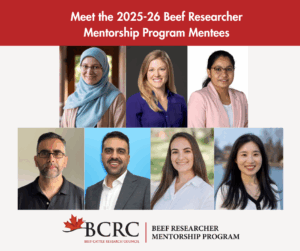
From Lab to Pasture — Industry Mentorship Shaping The Next Generation of Beef Research
This post announced participants of the 2025-2026 Researcher Mentorship Program. The program pairs early-career researchers with seasoned industry leaders to ensure scientific discoveries ranging from vaccine development to greenhouse gas mitigation are grounded in practical applications that benefit Canadian beef producers.
#3
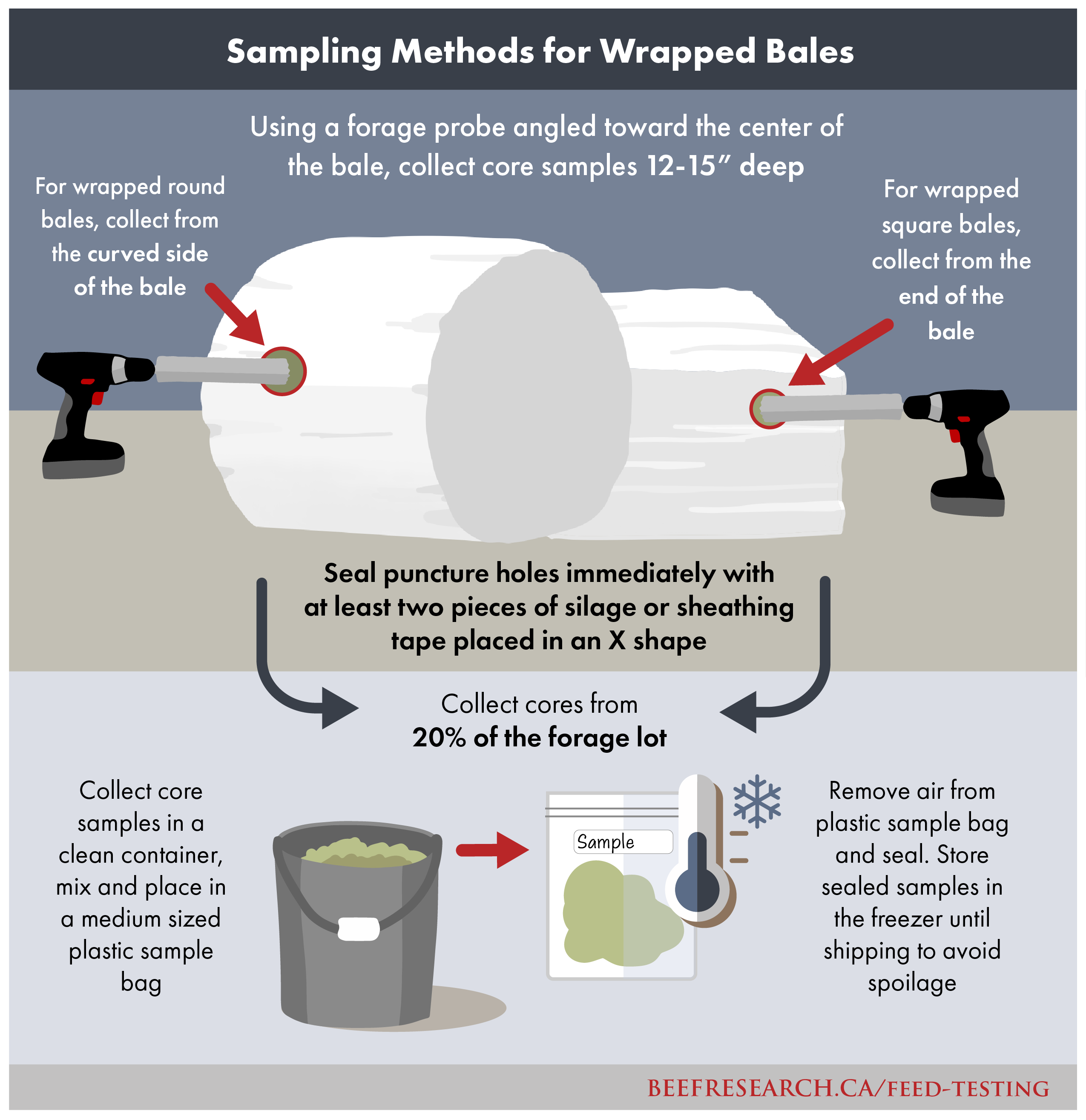
Don’t Roll the Dice on Forage Quality — Feed With a Plan
Testing forage quality before feeding is essential to avoid nutritional gaps that can harm cattle health and productivity. This article emphasizes planning rations based on actual feed analysis rather than assumptions, helping producers optimize performance and reduce costly surprises.
#2
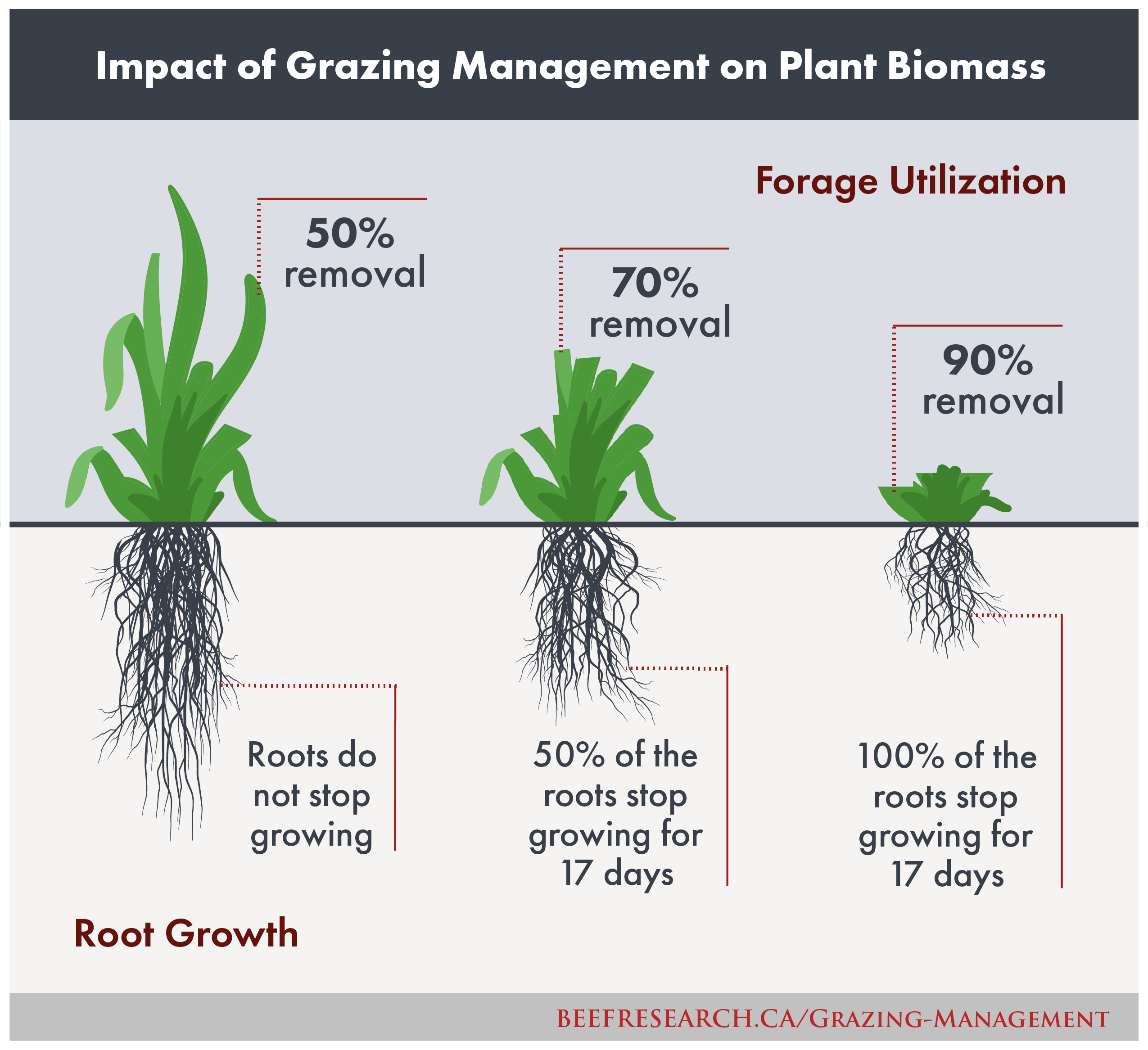
Icebergs and Native Forages – What You Can’t See Can Sink You
Native forage pastures can mask problems such as low productivity or poor species composition, which reduce grazing efficiency and profitability. This BCRC post stresses how regular monitoring and management are necessary to maintain healthy plant communities and prevent costly declines in forage quality.
#1
Travel Safe: Stop Foot and Mouth Disease at the Gate
Foot and Mouth Disease (FMD) is a highly contagious livestock virus that could devastate Canada’s cattle industry if introduced. This article urges travelers and producers to follow beneficial biosecurity measures such as cleaning footwear, avoiding contact with foreign livestock and declaring farm visits to keep FMD out and protect Canadian herd health and trade.
More Top BCRC Content
- Most Popular Canadian Beef Cattle Podcast Episode of 2025: Proper Management Key to Minimize Risk of Calf Scours
- Most Popular Webinar of 2025: Foot and Mouth Disease – Don’t be a Richard
- Most Popular Research Summary of 2025: A Better Vaccine for Bovine TB
- Most Popular Video of 2025: How To Stop the Spread of Foot and Mouth Disease in Livestock
- Most Popular Decision Tool of 2025: The BCRC’s Tool for Evaluating Feed Test Results
- Most Popular Topic Page of 2025: Biosecurity
The BCRC team is planning even more practical, science-based resources for beef producers in the new year. Comment below with topics and tools you’d like to see in 2026.
Click to see the most popular posts of 2021, 2022, 2023 and 2024.
Sharing or reprinting BCRC posts is welcome and encouraged. Please credit the Beef Cattle Research Council, provide the website address, www.BeefResearch.ca, and let us know you have chosen to share the article by emailing us at [email protected].
The BCRC is funded by a portion of the Canadian Beef Cattle Check-Off.

Your questions, comments and suggestions are welcome. Contact us directly or spark a public discussion by posting your thoughts below.