Top 6 Calf Management Resources for Beef Producers this Calving Season
As the calving season approaches, beef cattle producers are preparing to give newborn calves the best possible start to life. From managing difficult births to ensuring adequate colostrum intake, early intervention and proven management practices can make a big difference in calf health, survival and long-term productivity.
Here are six of the most valuable BCRC calf management resources to use this calving season:
#1: Be Prepared To Assist with a Difficult Calving
Calving is one of the most critical times in any operation. Problems during birth can affect both calf survival and future cow fertility. Difficult births (dystocia) may occur when a calf:
- Presents backwards
- Has a leg turned back
- Is too large to pass easily

The BCRC’s calving intervention video outlines step-by-step guidance, including:
- When and how to assist during calving
- Proper hygiene practices
- How to assess calf positioning and viability
- How to use calving chains correctly
Follow the “rule of three”: an attempt to pull a calf must only be made once the calf presents with three requirements:
- One head plus two front feet
- One tail plus two hind feet
Use the BCRC’s calving decision tree for guidance on when to call a veterinarian. Proper techniques help prevent injury to both calf and cow, improving outcomes.
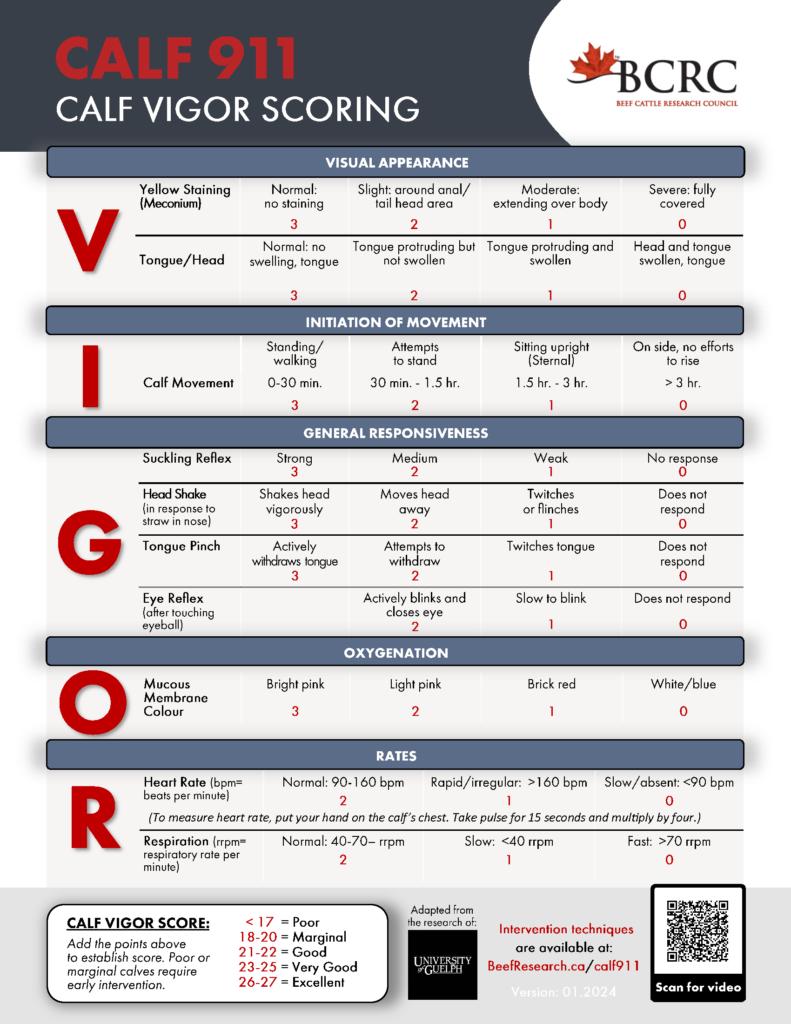
#2: Use the Calf VIGOR Scoring System To Assess Calves
Checking a calf’s vitality immediately after birth helps determine if intervention is needed. The VIGOR scoring system uses five objective measurements to evaluate a calf’s health.
A low VIGOR score signals the need for quick action, such as:
- Providing colostrum
- Addressing respiratory issues
- Offering other supportive care
The BCRC’s VIGOR scoring guide and accompanying calf vigor video explain:
- Why scoring is important
- What the results mean
- How to respond to calves with low scores
Early assessment gives calves a better chance at survival and long-term productivity.
#3: Recognize and Treat Respiratory Acidosis in Newborn Calves
Sometimes a calf is born weak, unresponsive and unable to suckle—often called a “dummy calf.” One cause is respiratory acidosis, when carbon dioxide builds up in the calf’s blood during prolonged birth.

This Calf 911 video and respiratory acidosis guide explain:
- What respiratory acidosis is and how it develops
- Symptoms to watch for, including poor suckle reflex, lack of coordination, weakness or collapse
- How prolonged calving affects breathing
- Prevention through good calving management
- Treatment options, including resuscitation, breathing aids and veterinary care for electrolyte therapy
Quick recognition and treatment help calves recover more quickly.
#4: Ensure Calves Receive Adequate Colostrum
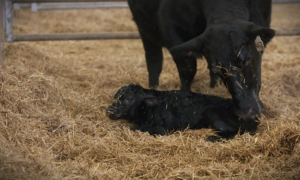
Colostrum is a newborn calf’s first line of defense, providing antibodies, energy and nutrients in the first hours of life.
Colostrum timing is critical. Ideally, calves should consume colostrum within two hours of birth, and antibody absorption drops rapidly after six hours.
The following are some best practices for feeding colostrum to newborn calves:
- Feed by bottle or tube, if necessary.
- Freeze colostrum in large, labeled Ziplock bags, laid flat and used within a year.
- Slowly thaw frozen bags of colostrum in a bucket of warm water; never thaw colostrum in the microwave because this will destroy antibodies.
- Using high-quality colostrum from the herd to avoid disease risks.
The BCRC’s colostrum handling video and colostrum management guide provide detailed handling tips to reduce calfhood disease and improve survival rates.
#5: Watch for Early Signs of Dehydration in Calves
Scours and other illnesses can quickly lead to dehydration, the leading cause of death in affected calves. Watch for the early signs such as:

- Reduced skin elasticity (using the skin-tent test)
- Sunken eyes
- Poor suckle reflex
- Lethargy
The BCRC’s dehydration checklist and Calf 911 video outlines:
- Mild, moderate and severe dehydration levels
- Appropriate treatment for each stage from oral electrolytes to veterinary administered IV fluids
Early detection and proper treatment greatly improve recovery and reduce long-term health problems.
#6: Learn Proper Techniques for Tube Feeding
When calves are unable to nurse or too weak to suckle, tube feeding is a necessary skill. The BCRC’s esophageal tube feeding guide covers:

- Safe and effective esophageal feeding practices
- Correct tube placement and proper calf positioning
- How to prevent aspiration
- Using separate equipment for sick and healthy calves to reduce disease spread
- Feeding liquids at body temperature
The BCRC’s tube feeding video provides valuable techniques to improve calf survival rates and overall herd health.
A successful calving season relies on preparation, early intervention and effective management practices that give calves the best possible start to life. By putting these resources into practice, producers can improve calf survival, reduce health problems and build stronger, more productive herds.
- Calf 911 – When and How to Assist with a Difficult Birth
- Calf 911 – How To Evaluate Newborn Calves Using the Calf VIGOR Scoring System
- Calf 911 – How to Spot Respiratory Acidosis in a Newborn Calf
- Calf 911 – How to Manage Colostrum to Allow Newborn Calves to Thrive
- Calf 911 – How to Spot Dehydration in Young or Scouring Calves
- Calf 911 – The Ins and Outs of Esophageal Feeding
- Calf 911 – How to Resuscitate a Newborn Calf
Sharing or reprinting BCRC posts is welcome and encouraged. Please credit the Beef Cattle Research Council, provide the website address, www.BeefResearch.ca, and let us know you have chosen to share the article by emailing us at [email protected].
The BCRC is funded by a portion of the Canadian Beef Cattle Check-Off.

Your questions, comments and suggestions are welcome. Contact us directly or spark a public discussion by posting your thoughts below.