Make informed decisions for your operation with information delivered right to your inbox.
Get the latest tools, innovations and science-based information for the Canadian beef industry, including seasonal production considerations and economic analyses.
Stay up to date with the latest news, updates and information from the Beef Cattle Research Council.
Results Are In—Updates on Animal Health and Food Safety
New examples of how your check-off dollars are working for you
Canadian Beef Cattle Check-Off dollars that beef producers allocate to research fund a variety of studies—from keeping cattle healthy and improving pasture productivity to boosting feed efficiency and ensuring high quality beef. This post is part of an ongoing series that highlights recent research results. You can find all BCRC research summaries under “Explore by Topic” in the navigation.
How is antimicrobial resistance changing in Canadian feedlot pathogens?
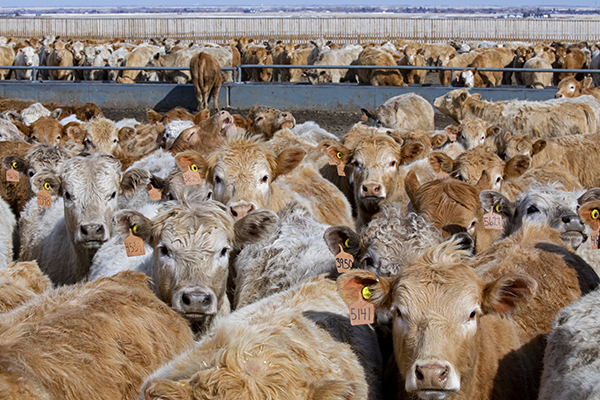
Respiratory bacteria do not enjoy highway travel! To get useful antimicrobial resistance results, respiratory tract samples need to arrive at the lab the day after they are collected at the feedlot. This national surveillance study helps us understand how antimicrobial resistance in bacteria associated with bovine respiratory disease (BRD) is changing and what it means for keeping cattle healthy and treatments effective.
Can we improve cleaning at packing plants while using less water and energy?
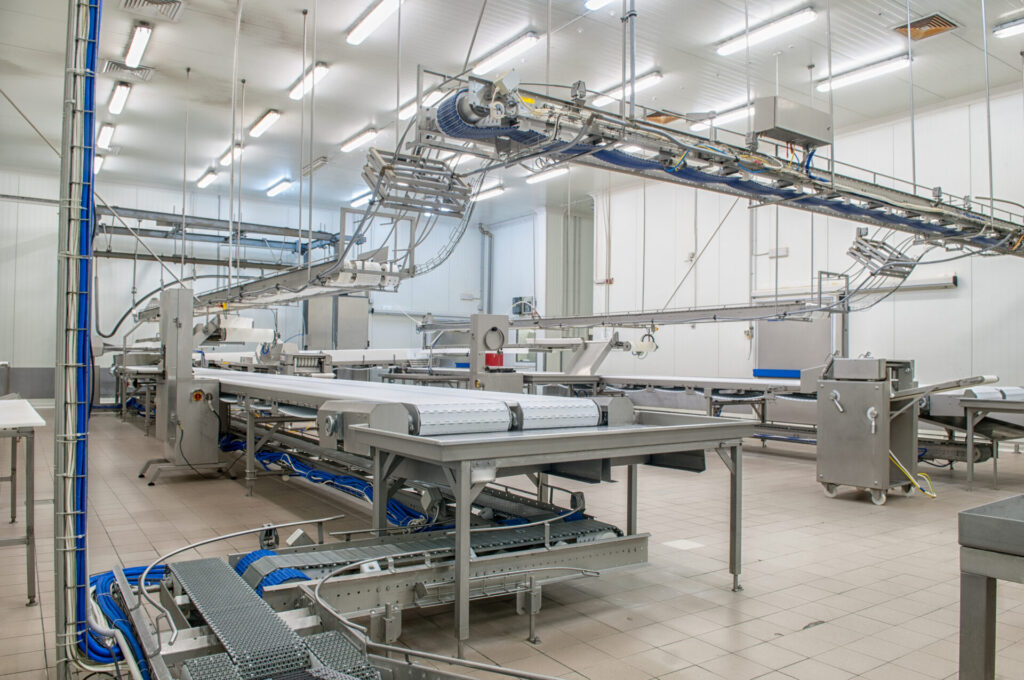
Researchers explored how current cleaning practices affect bacterial movement and biofilm formation, while testing new approaches to improve sanitation. They found that experimental enzyme-based formulations can break down fats at lower operating temperatures. This could help reduce hot water use and improve food safety if they can be made cost-effective.
Can new technologies help improve beef safety and extend shelf life?
Researchers tested emerging sanitation approaches— including plasma-activated water and ultraviolet technologies—to control bacteria and biofilms in beef processes environments. With additional validation and scale-up under field conditions, these technologies may be promising strategies to combat food pathogens and improve sanitation.
What can we learn when diving deep into liver abscesses?
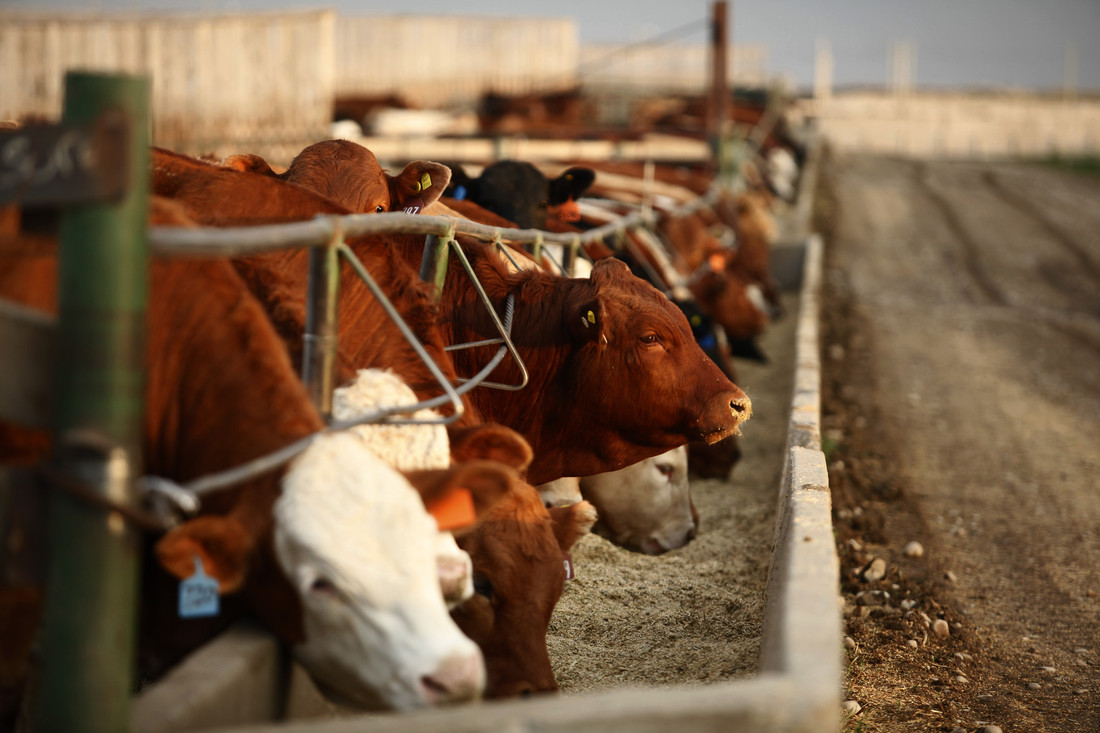
Liver abscesses are not caused by a simple genetic trait or a single pathogen (this research team even discovered a new one involved). Instead, they develop through interactions between gut microbes and the animal, and likely develop later in the feeding period.
Researchers found that the bacteria most commonly blamed for pinkeye outbreaks were found in both healthy and infected eyes, suggesting that the disease may be more complex than often suspected.
Sharing or reprinting BCRC articles is welcome and encouraged. Please credit the Beef Cattle Research Council, provide the website address, www.BeefResearch.ca, and let us know you have chosen to share the article by emailing us at info@beefresearch.ca.
The BCRC is funded by a portion of the Canadian Beef Cattle Check-Off.
Your questions, comments and suggestions are welcome. Contact us directly or spark a public discussion by posting your thoughts below.