Water Stewardship: A Ranching Family’s Approach to Conservation and Changing Landscapes
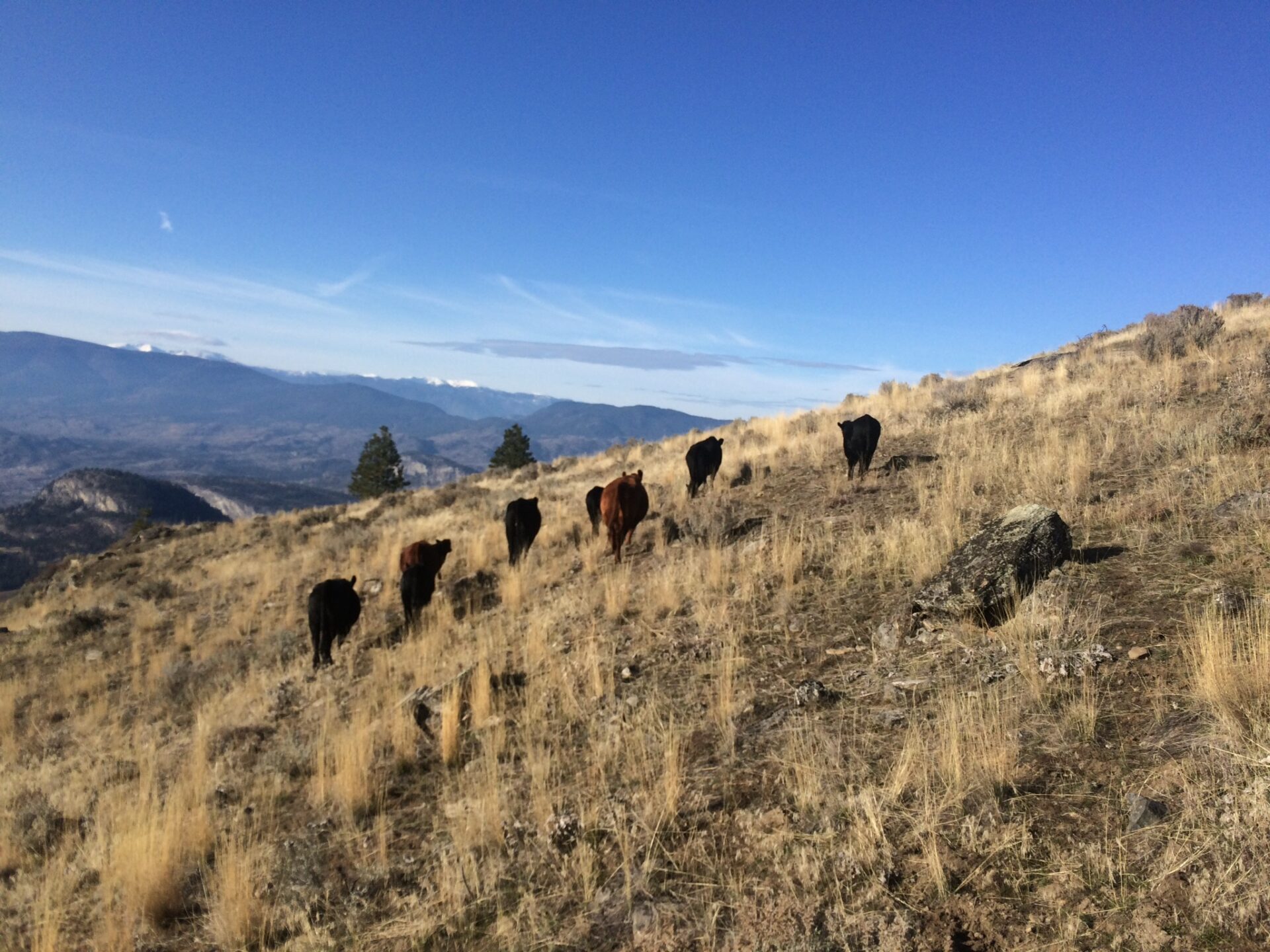
Nestled in the arid South Okanagan, Thomas Ranches is a multigenerational operation that balances ranching with conservation. In 2000, the Thomas family sold their land to The Nature Trust of British Columbia, preserving natural habitat while continuing cattle operations under a lease agreement. Today, Brian Thomas manages 200 head of cattle on 350 acres, with the remaining 1,650 acres dedicated to wildlife habitat. Effective water management is crucial to sustaining both livestock and the surrounding ecosystem in this dry region.
Balancing Water Needs in a Shifting Landscape
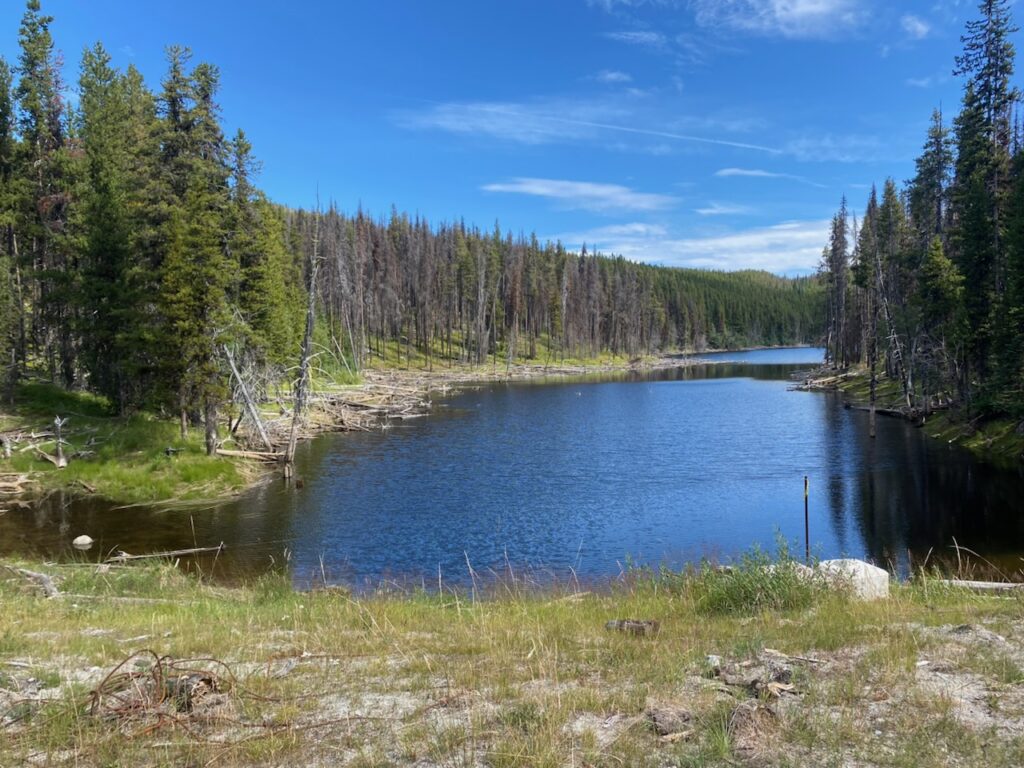
Thomas Ranches relies on a creek-fed storage dam and an extensive irrigation system. This helps them manage water shortages in a dry climate that gets less than a foot of annual rainfall. Frequent droughts have intensified competition for water resources, and the impacts of increasing population growth, tourism and conservation efforts place additional demands on an already limited supply.
Wildfires also pose ongoing risks. A wildfire in 2021 burned nearly half the ranch’s land. However, the resulting reduction in tree cover ultimately increased water availability by reducing vegetation uptake.
Wildlife protection adds complexity, as the ranch’s rugged terrain supports species like California bighorn sheep, elk and mule deer, necessitating careful water stewardship. Despite scrutiny of agricultural water use, Brian underscores that broader water use by humans is a major driver of water shortages, not cattle consumption. This reinforces the need for proactive water management to ensure long-term sustainability. These pressures have shaped Brian’s mindset, strengthening his focus on planning, advocacy and preparedness.
Water Storage and Distribution
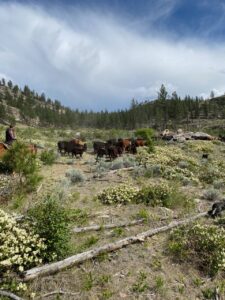
The ranch’s storage dam, originally built in 1943 and expanded over the years, is vital for maintaining water availability throughout the year. The earthen embankment dam creates a reservoir that collects and holds water during wetter periods, like during spring snowmelt or heavy rainfall. The stored water can then be used during drier months. Additionally, springs and roadside ditches provide secondary water sources for cattle on Crown rangeland where cattle graze from May to October.
To reduce irrigation water waste, the ranch has transitioned from above-ground aluminum pipes to underground PVC pipelines, significantly lowering water loss through leaks and evaporation. Additionally, pivot irrigation systems are replacing older hand-line and reel irrigators, further improving efficiency. These improvements have significantly reduced overall water consumption, which helps ensure the cattle have the water they need, even in drier periods.
This practical water analysis guide for beef producers outlines key questions and considerations to support decision-making around different watering solutions for cattle.
Off-Stream Watering Systems
Historically, cattle drank directly from creeks, but all riparian areas on the ranch are now fenced off to protect the watercourses from contamination and erosion. Instead, water is delivered via underground gravity-fed pipes to troughs, ensuring a consistent supply while protecting water quality. This change was supported by federal and provincial funding through the Species at Risk program, benefiting both cattle and local wildlife. Additionally, this practice enhances the ranch’s image, as the public appreciates seeing natural water sources protected.
Water Access and Security
The ranch holds historic water licenses dating back to the 1870s, ensuring legal access to water from McLean Creek and the storage dam. However, regulatory challenges persist, particularly regarding water rights in British Columbia, with concerns about stock water rights on Crown land.
The BC Cattlemen’s Association is advocating for improved stock water regulations to provide greater security for ranchers, ensuring reliable water sources for their cattle. In collaboration with industry groups, Brian is actively involved in discussions about policies that recognize the importance of agricultural water use and support cattle health and productivity.
Key Water Management Takeaways
- Plan for Drought: Water storage infrastructure is essential during dry periods.
- Protect Natural Water Sources: Fencing off creeks and utilizing off-stream water systems improves water quality for both cattle and wildlife.
- Monitor and Adapt to Changing Conditions: Wildfires, drought and increasing human activity require continuous adjustments to water management strategies.
- Work Collaboratively: By working together, beef cattle producers can ensure their water needs are understood and considered in provincial planning.
Acknowledgements
Thanks to the following individuals for contributing their time and expertise to review this article and related resources:
- Dr. Mary-Jane Orr, General Manager, Manitoba Beef & Forage Initiatives
- Dwayne Summach, Livestock and Feed Extension Specialist, Saskatchewan Ministry of Agriculture
- Jaclyn Horenburg, Producer Relations Specialist, Beef Farmers of Ontario
- Bree Patterson, Conservation Programs Specialist – Agriculture, Ducks Unlimited Canada
- Katie Trottier, Ruminant Livestock Specialist, Perennia Food & Agriculture
- Geoff Larkin, Climate Change Adaptation Coordinator, Agri-Commodity Management Association
- Kaley Segboer-Edge, VBP+ Coordinator and ABP Stewardship Lead, Alberta Beef Producers
Sharing or reprinting BCRC posts is welcome and encouraged. Please credit the Beef Cattle Research Council, provide the website address, www.BeefResearch.ca, and let us know you have chosen to share the article by emailing us at [email protected].
The BCRC is funded by a portion of the Canadian Beef Cattle Check-Off.

Your questions, comments and suggestions are welcome. Contact us directly or spark a public discussion by posting your thoughts below.