Make informed decisions for your operation with information delivered right to your inbox.
Get the latest tools, innovations and science-based information for the Canadian beef industry, including seasonal production considerations and economic analyses.
Stay up to date with the latest news, updates and information from the Beef Cattle Research Council.
Is Your Bull Ready? A Year-Round Approach to Bull Management
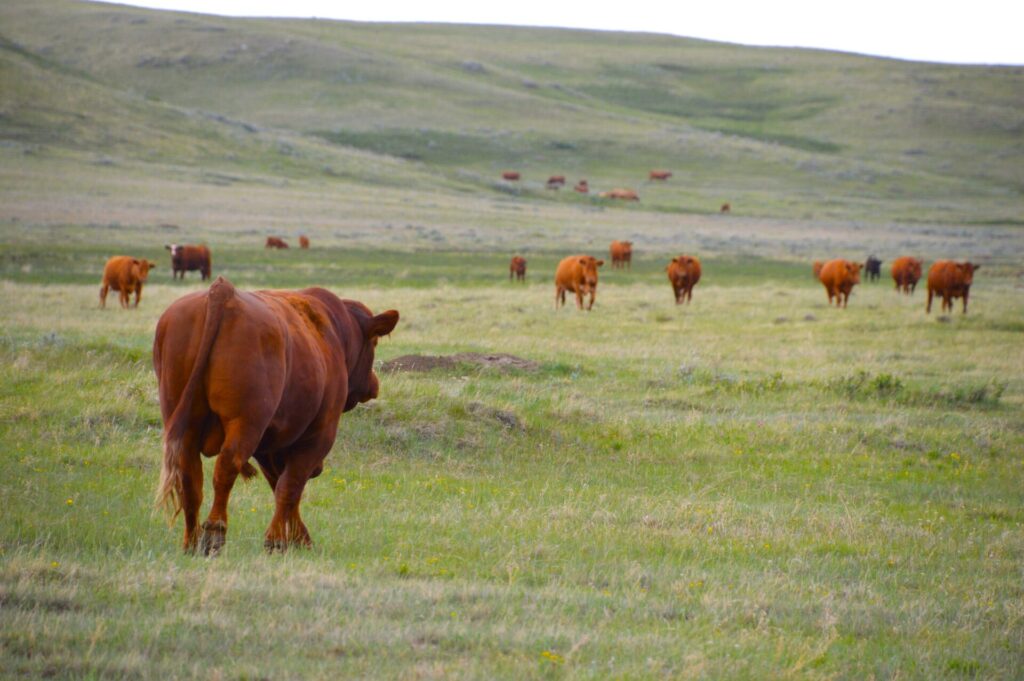
Every cow-calf producer has either lived it or knows someone who has. Breeding season wraps up and everything looks fine, until fall preg-checks tell a different story: open cows, late calvers and a breeding window that slipped wider than planned. While cow nutrition, body condition and management are frequently evaluated, one critical factor is often underestimated—the bull.
Most frustrating is that there are often no obvious warning signs during breeding. The bull was turned out, was covering cows and looked the part. On the surface, everything appeared normal.
That’s exactly why a bull breeding soundness evaluation (BBSE) matters more than many producers realize. It is one of the few opportunities to take some guesswork out of bull performance.
On a cow-calf operation, bulls get a lot of attention for a couple of months out of the year and very little once breeding season wraps up. The reality is that a bull’s value doesn’t start on turnout day, and it definitely doesn’t end when he finishes up breeding season. Year-round management is what keeps bulls working when it counts.
The easiest way to stay ahead of problems is to think of bull management as a cycle, not a season. How a bull is managed in the months before and after turnout has just as much impact as what happens during breeding and often determines how that season will play out.
Pre-Breeding Conditioning Phase (approximately two months before breeding)
Before your bull ever sees a cow, his soundness should be evaluated, not assumed. A BBSE, paired with regular body condition scoring, is one of the simplest and most effective tools available. Many producers schedule BBSEs six to eight weeks prior to breeding, allowing time to address problems without testing so early that late-winter issues like frostbite affect the results.
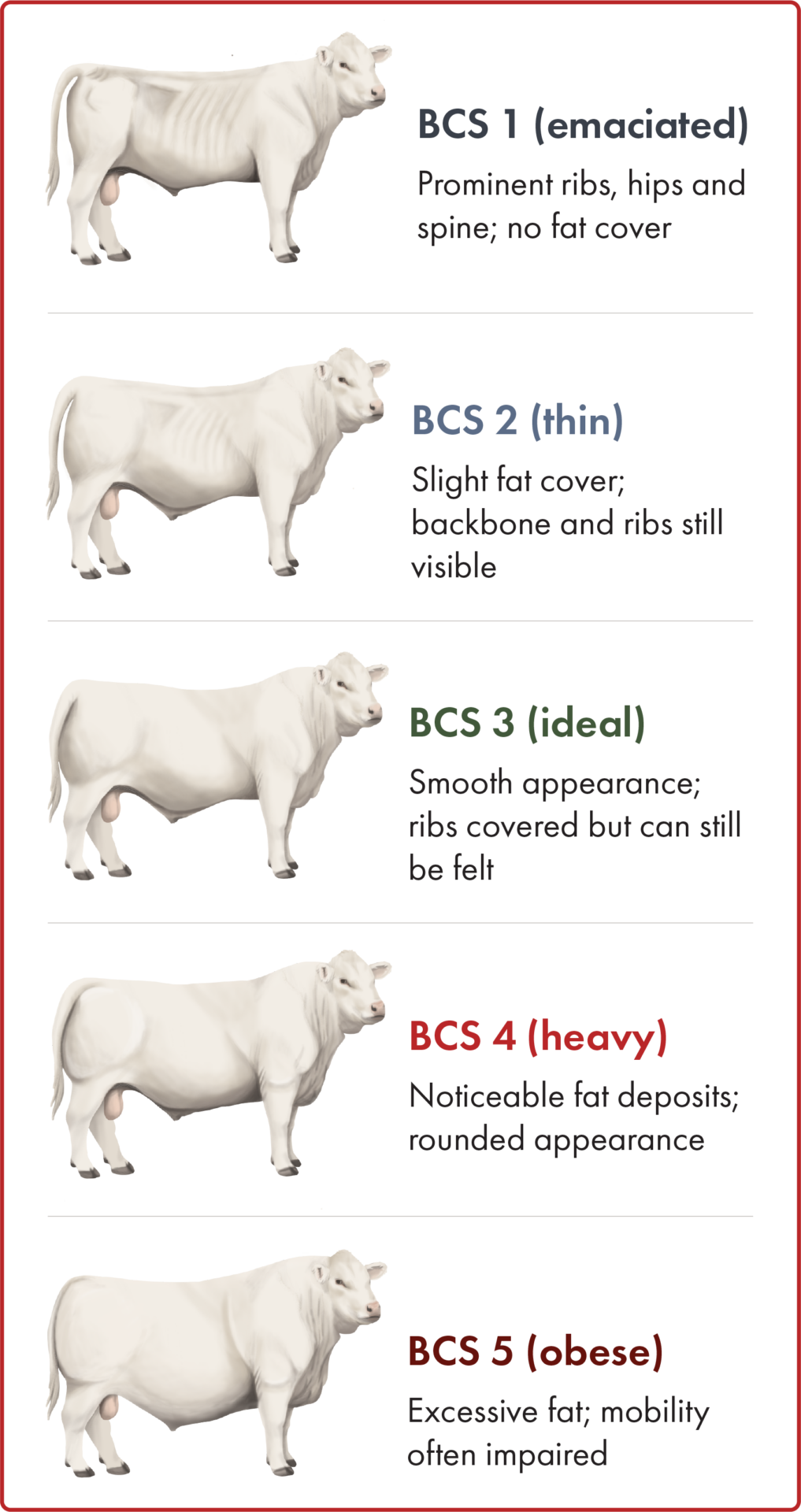
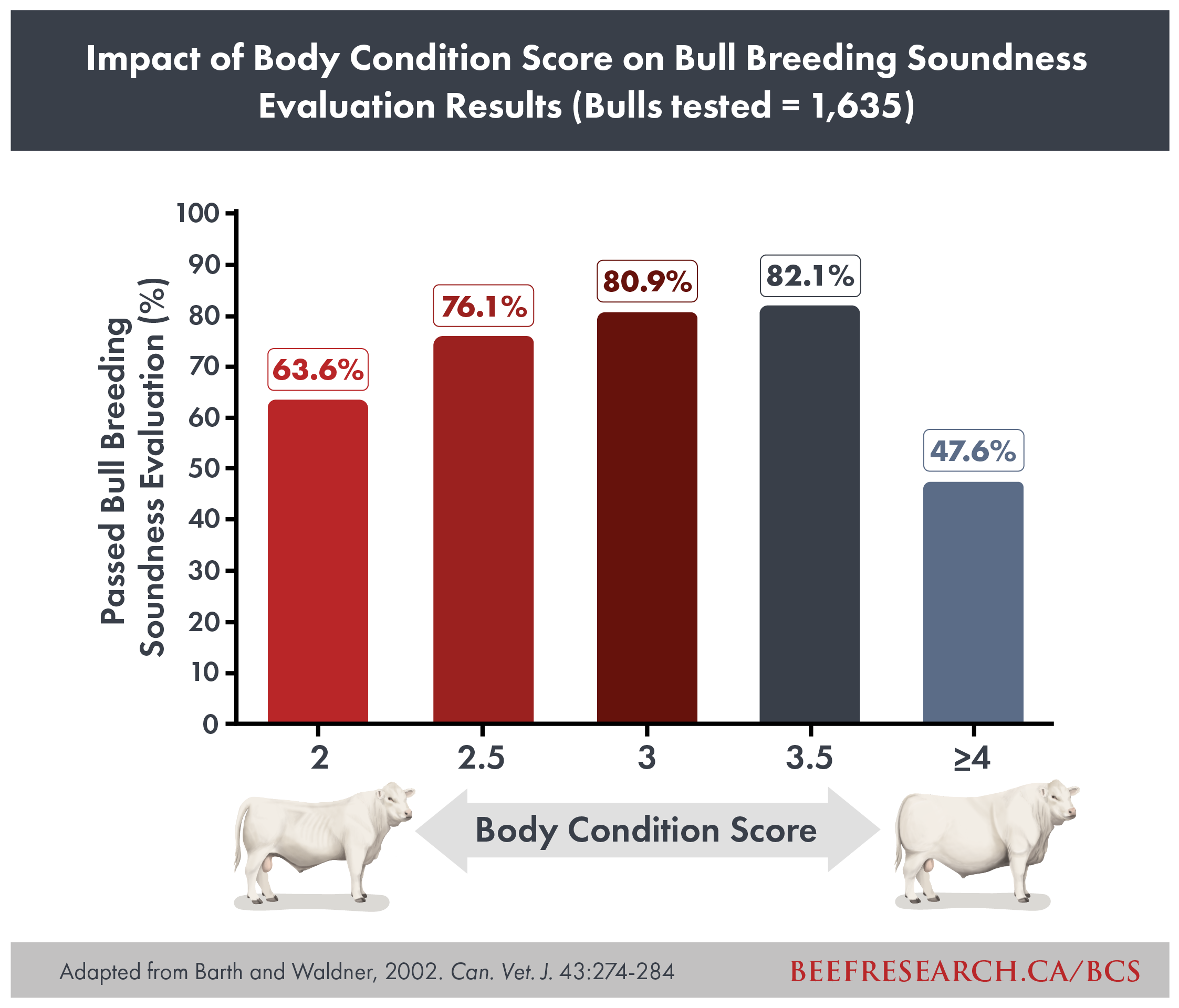
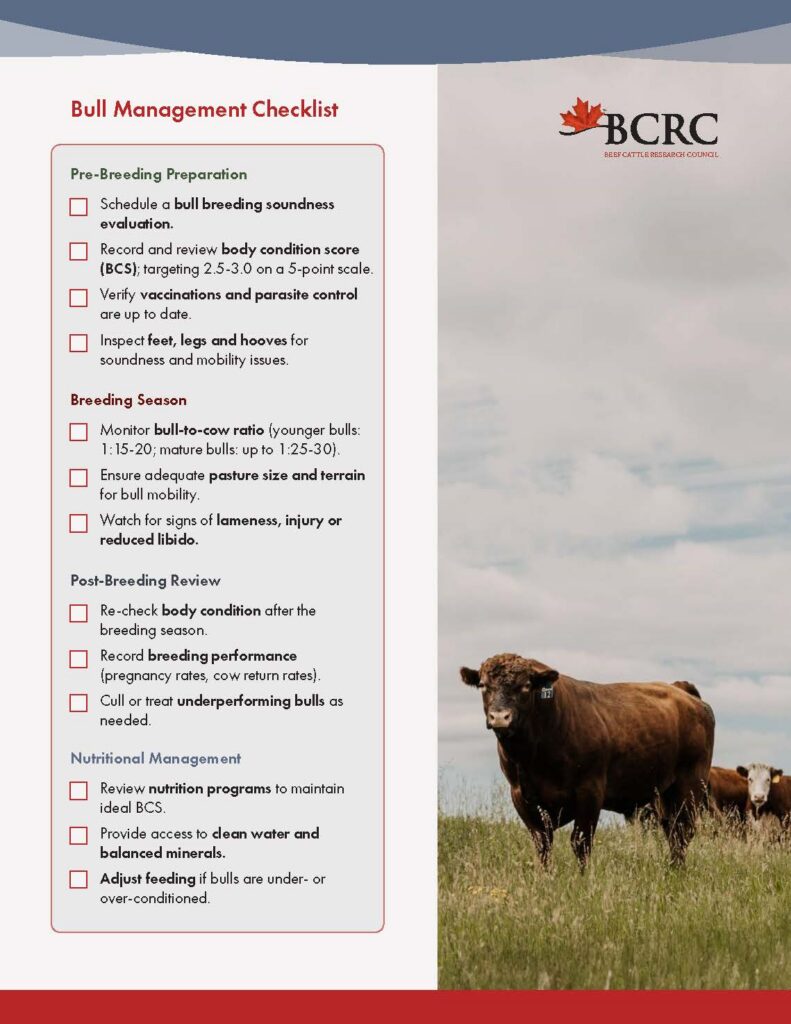
Body condition plays a large role in bull performance. Bulls that are too thin often lack stamina and libido, while over-conditioned bulls can struggle with mobility and fertility. Either way, conception rates can take a hit. Ideally, bulls should head into breeding season with a body condition score of 2.5 to 3—fit, mobile and ready to work.
Ensure vaccinations and parasite control are up to date
Check feet, legs and hooves for soundness and mobility
Understanding a Bull Breeding Soundness Evaluation
Turning out a bull that can’t breed is one of the most expensive mistakes a producer can make, and unfortunately, it’s not always obvious. That’s where a veterinarian-performed BBSE becomes essential.
A BBSE evaluates more than semen quality by assessing the bull’s overall ability to breed, from feet and legs to fertility. The goal is simple: identify bulls that will get cows bred efficiently and flag the ones that won’t.
Fertility isn’t static. Illness, injury, frostbite, nutrition and age can all affect breeding ability. A bull that passed last year isn’t guaranteed to pass again this year.
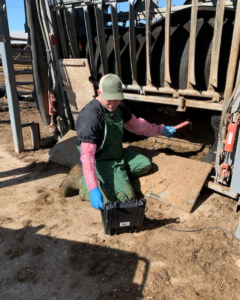
Dr. Tommy Ware with Veterinary Agri-Health Services conducts a bull breeding soundness examination
Walking Through a BBSE
History Lesson — Before the bull even enters the chute for an exam the story starts on paper.
Gather background information including age, breed, past BBSE results, herd history, health events, winter management, nutrition, vaccination and parasite control status.
Review all the information with your veterinarian to get a full picture of health status before you start the physical exam. Even something like a fever or injury weeks earlier can still affect semen quality at the time of testing.
Physical Exam — Soundness matters. A bull with poor feet or structural issues may have good semen quality but still fail to complete the act of breeding. The physical exam includes:
Body condition scoring
Evaluation of conformation, structure and eyesight
Assessment of the bull’s ability to travel, mount and breed
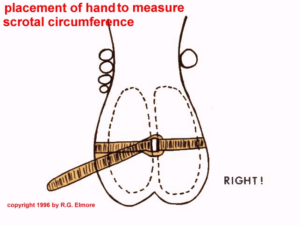
Reproductive Exam — An internal exam of the reproductive tract evaluates accessory sex glands and an external exam evaluates the testes, epididymides, sheath, penis and scrotum. A larger scrotal circumference is linked to increased sperm output, improved semen quality and earlier puberty in daughters. Benefits increase with scrotal size up to ~38 cm, with no further benefit beyond this.
Semen Evaluation — Semen quality is microscopically assessed based on both motility and morphology.
Motility refers to how well the sperm are moving, with bulls expected to have at least 60% motility or a “good” rating.
Morphology evaluates the shape and structure of sperm, as abnormalities can impact fertility.
Factors such as stress, illness or immaturity can also affect semen quality, making this a critical part of the overall assessment.
Breeding Season (approximately two to three months)
Bulls are covering ground, breeding cows and burning through energy reserves, easily losing 100-200 pounds over the season. Even a well-prepared bull can run into trouble if he’s not monitored and concerns are not being addressed.
Small problems, such as a sore foot or a minor injury, can quickly turn into major reproductive losses if left unresolved.
Monitor and consider:
Bull-to-cow ratios (i.e., younger bulls at 1:15-20, mature bulls at 1:25-30)
Pasture size and terrain to ensure bulls can move efficiently through the herd
Signs of lameness, injury or reduced libido
Post-Breeding Recovery Phase (approximately seven to eight months)
When breeding wraps up, the job isn’t finished; it simply shifts into recovery mode. Bulls that come out of breeding thin or injured and aren’t managed properly often don’t recover in time for the next season.
Take the time to evaluate and adjust your bull management program:
Re-check body condition after breeding
Record breeding performance (i.e., pregnancy rates, cow return rates)
Cull or treat underperforming bulls as needed
Why Bull Management Matters More Than You May Think
It only takes one sub-fertile bull to quietly derail an entire breeding season, and the calving season that follows.
At the end of the day, a bull isn’t just another animal. He represents some of your herd’s genetic future. Managing him like a year-round investment, not a seasonal necessity, will help keep your breeding program on track.
Sharing or reprinting BCRC posts is welcome and encouraged. Please credit the Beef Cattle Research Council, provide the website address, www.BeefResearch.ca, and let us know you have chosen to share the article by emailing us at info@beefresearch.ca.
The BCRC is funded by a portion of the Canadian Beef Cattle Check-Off.
Your questions, comments and suggestions are welcome. Contact us directly or spark a public discussion by posting your thoughts below.