Make informed decisions for your operation with information delivered right to your inbox.
Get the latest tools, innovations and science-based information for the Canadian beef industry, including seasonal production considerations and economic analyses.
Stay up to date with the latest news, updates and information from the Beef Cattle Research Council.
Results Are In—Updates on Improved Cattle Health and Feed Efficiency
New examples of how your check-off dollars are working for you
Canadian Beef Cattle Check-Off dollars that beef cattle producers allocate to research fund a variety of studies—from keeping cattle healthy and improving pasture productivity to boosting feed efficiency and ensuring high quality beef. This post is part of an ongoing series that highlights recent research results. You can find all BCRC research summaries under “For Producers” in the navigation.
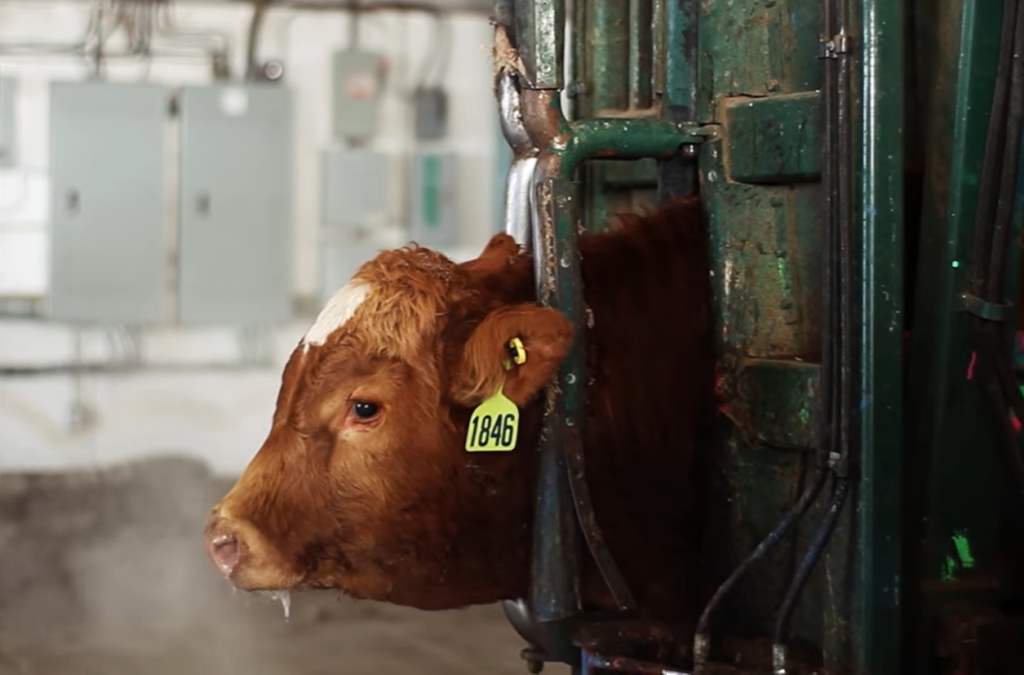
Can a chute-side test help diagnose BRD more accurately?
If sample preparation and test times can be reduced below the current three minutes, blood biomarkers such as haptoglobin (an indicator of inflammation) could help veterinarians and feedlot staff develop more refined antibiotic treatment protocols for bovine respiratory disease (BRD), in combination with traditional pen checks and rectal temperature.
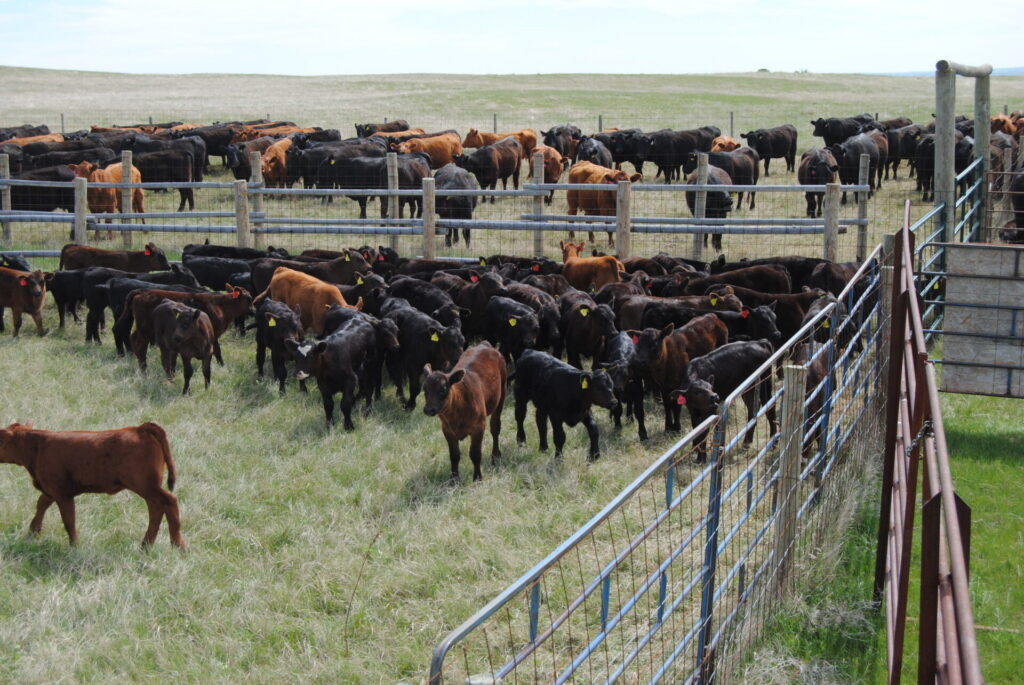
Can a probiotic given at spring processing help reduce weaning stress?
Lactobacillus probiotics given during spring processing may help reduce physiological processes associated with weaning stress. Future larger animal trials are needed to detect impacts on behaviour, performance and health.
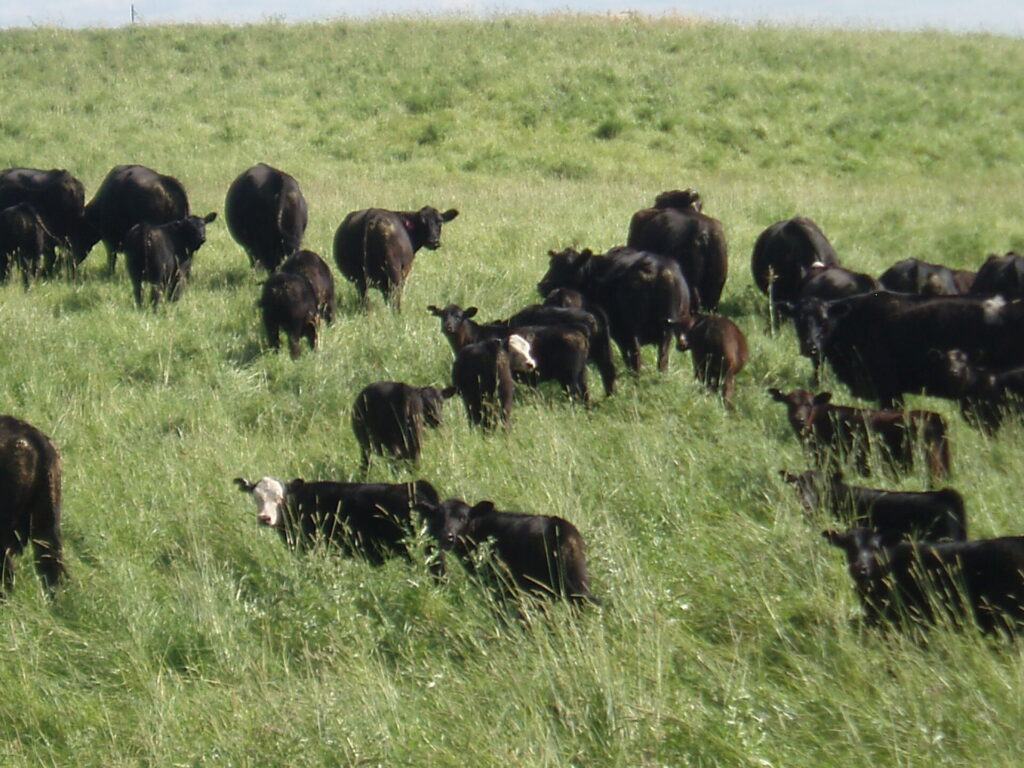
What is the relationship between feed intake, efficiency and methane emissions?
Practices that improve feed efficiency on pasture can also reduce greenhouse gas emissions, meaning what is good for the bottom line can also be good for the environment. This study also showed methane production may be a heritable trait, suggesting it could be used to select for more forage-efficient animals in the future.
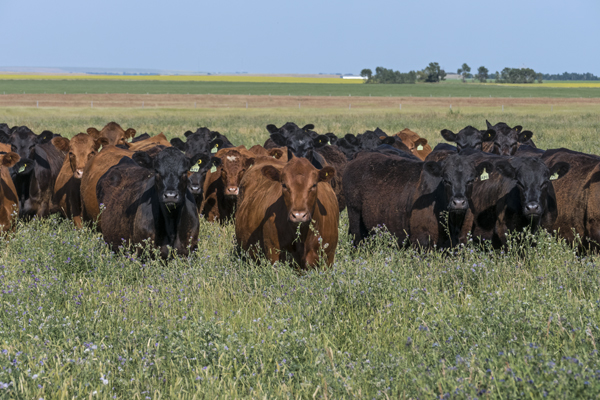
Can legume varieties with high lipid content support feed efficiency and reduce methane emissions?
This research team advanced sainfoin breeding, and the techniques used brought us closer to high-lipid content sainfoin and alfalfa varieties. The use of these varieties has the potential to reduce feed intake, maintain feed efficiency and reduce methane emissions.
Can we develop an effective alternative to antibiotics for the treatment of BRD?
Under lab conditions, phage endolysins (substances produced by viruses that can kill bacteria) and antimicrobial peptides showed promising results against BRD pathogens. However, more work is needed before there will be cost-effective alternatives to antibiotics in cattle production.
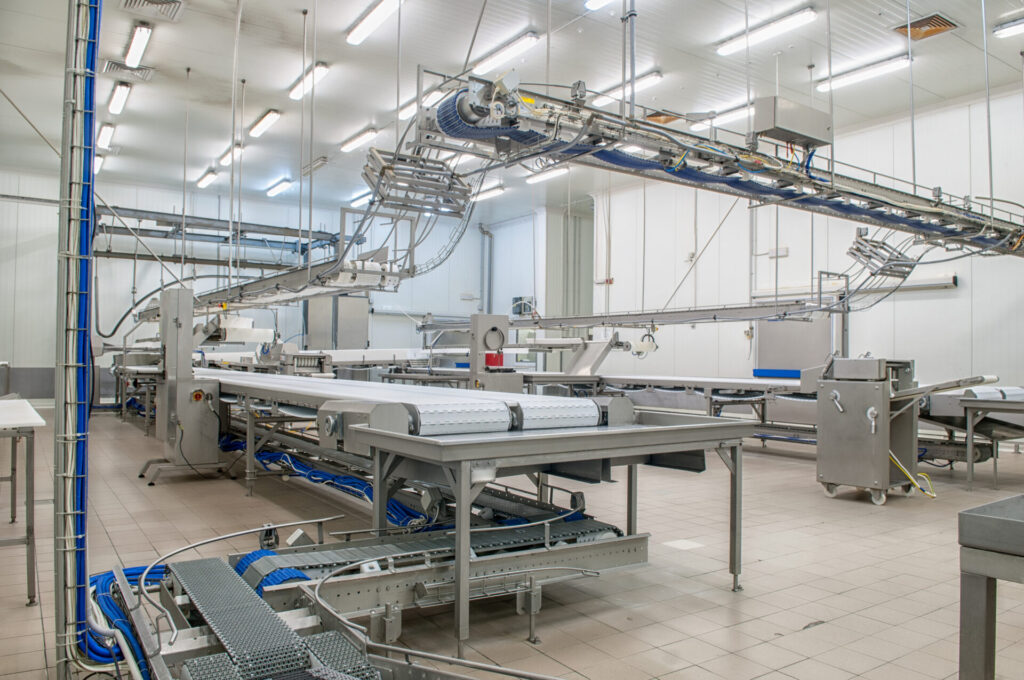
An experimental media shows promise for detecting Shiga toxin-producing E. coli (STEC), but more work is needed before food processors can use it with confidence.
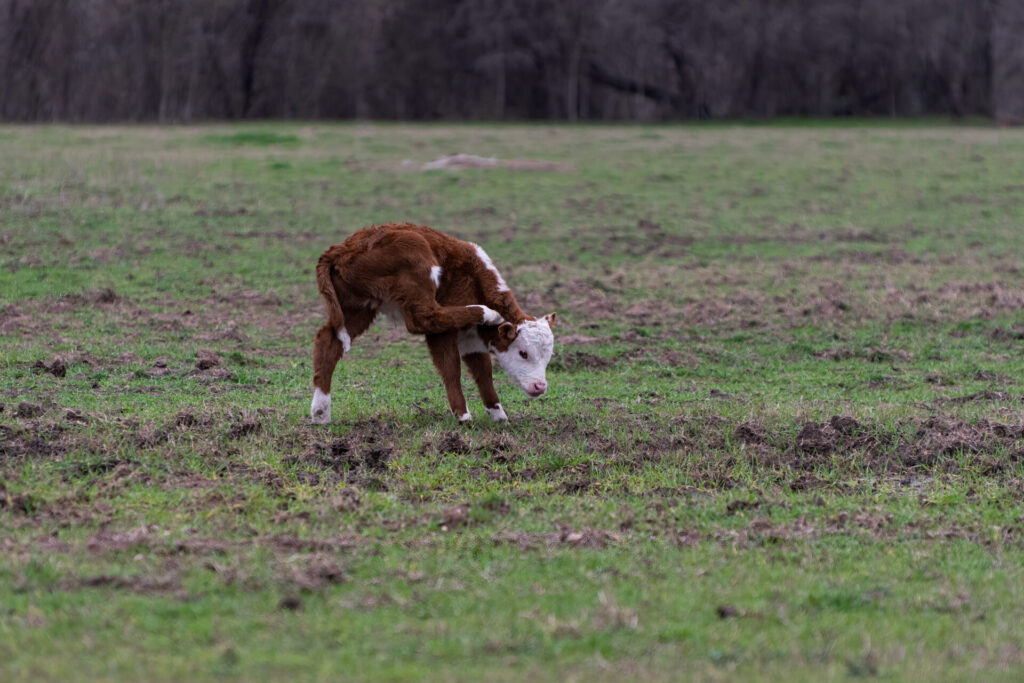
Itchy cattle do not necessarily indicate a heavy lice infestation or that lice are ivermectin-resistant. Itchiness is complex, and there is no specific cause or effective solution yet.
Sharing or reprinting BCRC posts is welcome and encouraged. Please credit the Beef Cattle Research Council, provide the website address, www.BeefResearch.ca, and let us know you have chosen to share the article by emailing us at [email protected].
The BCRC is funded by a portion of the Canadian Beef Cattle Check-Off.
Your questions, comments and suggestions are welcome. Contact us directly or spark a public discussion by posting your thoughts below.