Fences, Filters and Eavestroughs: Innovative Water Initiatives to Improve Herd Health
Brian Windover and his son, Scott, own and operate Bayview Farms in Napanee, Ontario. Their operation includes a 90-head commercial Gelbvieh and Gelbvieh x Charolais cattle herd that is Verified Beef Production Plus (VBP+) Certified.
The farm includes 250 acres of pastureland with both treed and open fence lines. Two of the pastures border Hay Bay, a bay of Lake Ontario, and are fenced off to deny cattle access to the bay.
Maintaining good water quality has always been a top priority for Bayview Farms, leading them to implement several changes to reduce manure contamination and ensure an abundant supply of drinking water for their cattle.
A Stock Water Quality Issue
The main source of drinking water for the cattle comes from a spring-fed pond which feeds a well. Water is pumped from the well into troughs in the barn. Cattle are kept away from the pond with a dirt berm and concrete barriers. Despite this, Brian and Scott still noticed that the water was discoloured and smelly, particularly after heavy rainfall.
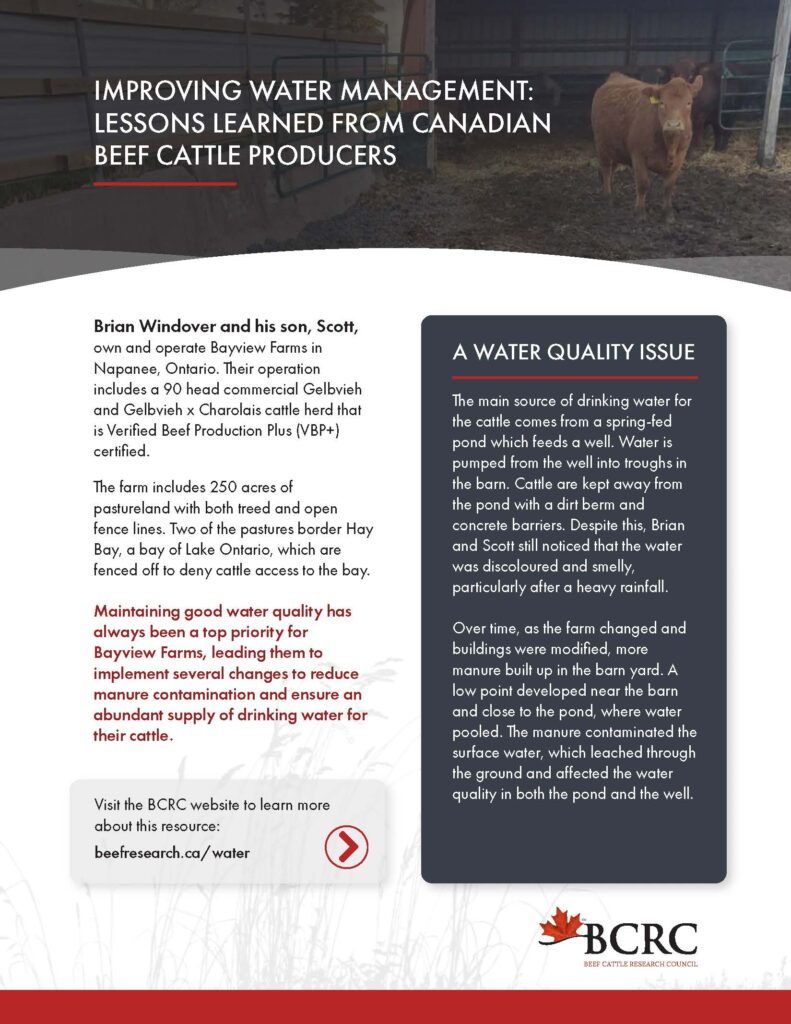
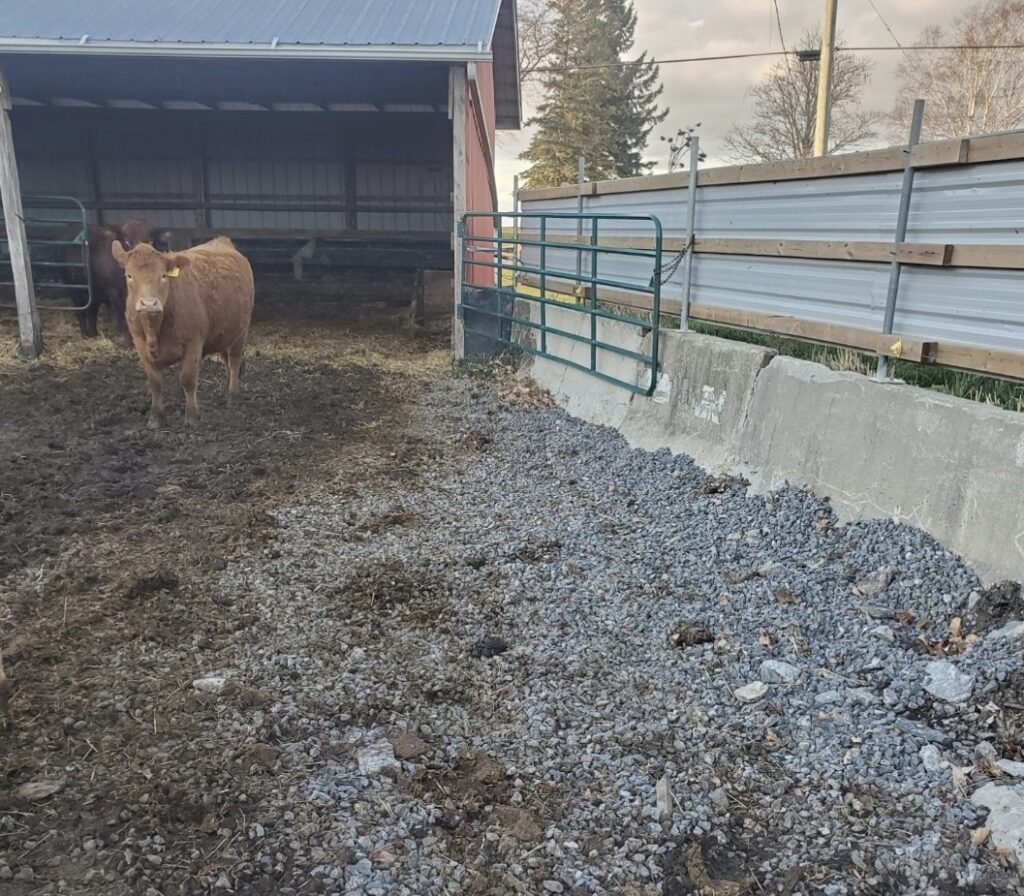
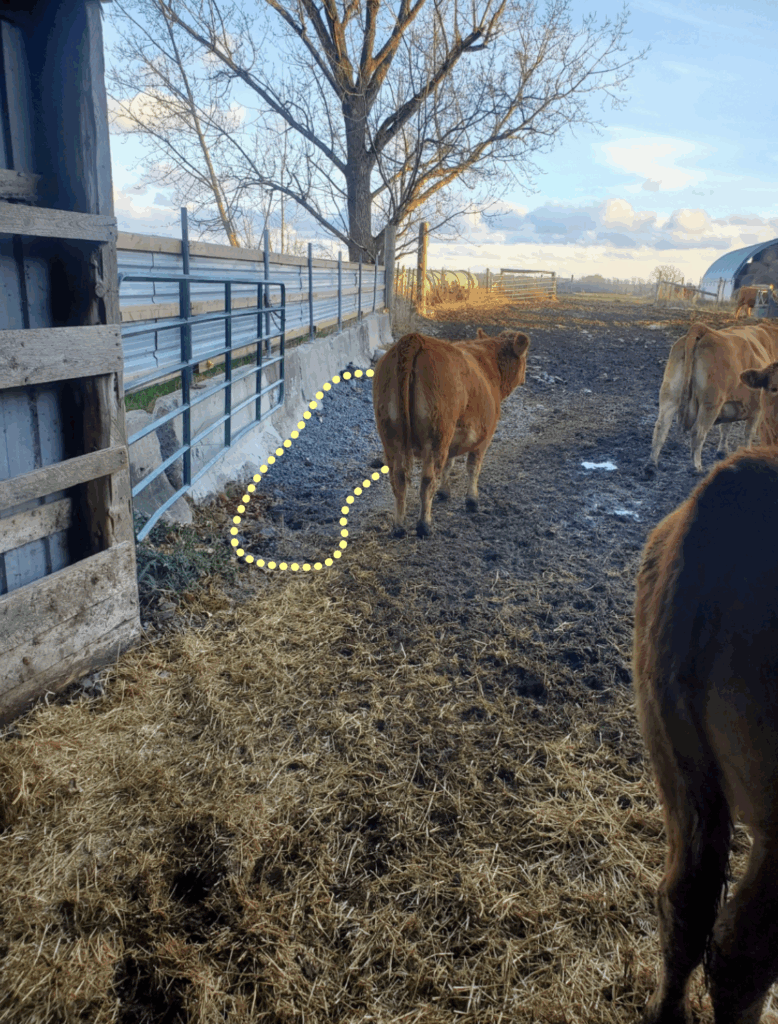
Over time, as the farm changed and buildings were modified, more manure built up in the barn yard. A low point developed near the barn and close to the pond, where water pooled. The manure contaminated the surface water, which leached through the ground and affected the water quality in both the pond and the well.
Cleaning Things Up
Knowing that poor water quality can negatively affect cattle health and weight gain, the Windover’s came up with a reasonable and cost-effective solution:
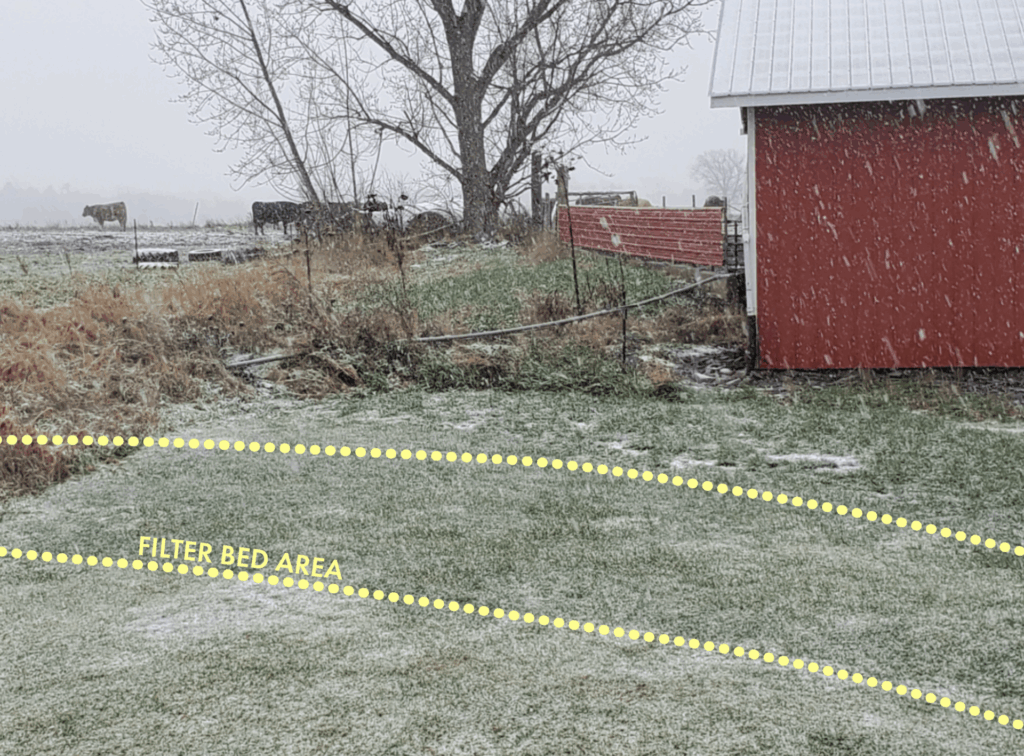
- A filter bed was built to take contaminated water away from the pond and filter it.
- Addition of ¾-inch clear stone gravel in the low spot by the barn along with a 250-foot run of perforated pipe with ¾-inch clear stone.
Brian was a little skeptical that their plan was going to work, but to his surprise, it had an instant impact. “With the filtration system we put in, it was pretty much an immediate change in the quality of the water. There was no more brown, discolored, smelly water,” he said.
Brian and Scott did the work themselves, completing the filter bed during the summer months when there were no cattle in the yard. The main costs for the project included perforated, big “O” pipe, a load of clean rock and the time they spent. Brian feels there was a return on investment from the higher quality water for the cattle through improved health and performance.
Improving Stock Water Access: Capturing Rainwater
Despite Bayview Farms being a stone’s throw from Hay Bay and Lake Ontario, drilling a well in the area is not guaranteed to lead to abundant water. The area also occasionally experiences drought conditions. This prompted Brian to come up with an alternative way to improve water access through the installation of a water capture system on two of the operations barns – a 50’ x 100’ main barn and a 24’ x 48’ addition.
Rainwater from the barn roofs is captured in an eavestrough, drained through a solid pipe and then pumped into the pond. This simple system has been a success by increasing the water available in the pond as well as keeping the areas around the yard dry.
Key Water Management Takeaways
- Fence off ponds and other water sources to prevent cattle from directly accessing and contaminating them.
- Monitor water sources and address contamination to prevent long-term issues.
- Cost-effective measures, like filtration systems and rainwater capture, can significantly enhance water quality and availability.
Acknowledgements
Thanks to the following individuals for contributing their time and expertise to review this article and related resources:
- Dr. Mary-Jane Orr, General Manager, Manitoba Beef & Forage Initiatives
- Dwayne Summach, Livestock and Feed Extension Specialist, Saskatchewan Ministry of Agriculture
- Jaclyn Horenburg, Producer Relations Specialist, Beef Farmers of Ontario
- Bree Patterson, Conservation Programs Specialist – Agriculture, Ducks Unlimited Canada
- Katie Trottier, Ruminant Livestock Specialist, Perennia Food & Agriculture
- Geoff Larkin, Climate Change Adaptation Coordinator, Agri-Commodity Management Association
- Kaley Segboer-Edge, VBP+ Coordinator and ABP Stewardship Lead, Alberta Beef Producers
Sharing or reprinting BCRC posts is welcome and encouraged. Please credit the Beef Cattle Research Council, provide the website address, www.BeefResearch.ca, and let us know you have chosen to share the article by emailing us at [email protected].
The BCRC is funded by a portion of the Canadian Beef Cattle Check-Off.
Your questions, comments and suggestions are welcome. Contact us directly or spark a public discussion by posting your thoughts below.