Survie des veaux en début de vie — Sommaire du webinaire du BCRC
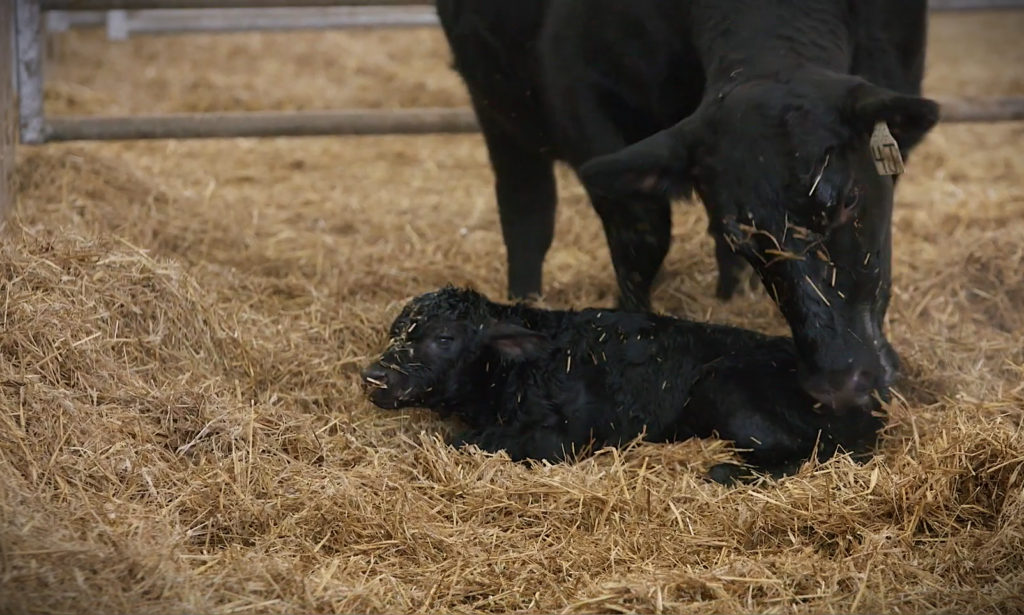
Les premières 24 heures de la vie d’un veau de boucherie sont les plus vulnérables. Lors du webinaire du Beef Cattle Research Council, « Early Calf Life Survival » (Survie des veaux en début de vie), le Dr Roger Richard de la Shoal Lake Veterinary Clinic, la Dre Claire Windeyer de l’Université de médecine vétérinaire de Calgary et Heidi Bennett de W.A. Ranches ont discuté de comment naviguer la mise bas et les étapes critiques du début de la vie des veaux de boucherie afin de leur donner le meilleur départ possible.
La discussion a fourni des conseils pratiques fondés sur la science pour améliorer la survie des veaux, en commençant par la santé des vaches avant le vêlage et la gestion de la naissance pendant les premières semaines de vie du veau. Le panel a mis l’accent sur la manière dont une gestion intentionnelle et proactive peut minimiser les pertes et stimuler la productivité des troupeaux de bovins.
De la conception à la mise bas : les préparer au succès
Le Dr Richard a débuté le webinaire en mettant l’accent sur l’importance de préparer les protocoles et les fournitures avant le début de la mise bas. Avoir un plan pour prévenir les problèmes de santé et savoir comment y remédier s’ils surviennent permet d’alléger le fardeau mental pendant une saison de mise bas bien occupée.
Regardez l’enregistrement complet du webinaire (article offert en anglais seulement) :
Les étapes clés de la préparation avant le vêlage comprennent :
- Vaccination des vaches et des génisses avant la reproduction (p. ex. RIB, grippe bovine, VRS, diarrhées)
- Surveillance des notes d’état corporel et de la nutrition (en particulier lors des contrôles de gestation)
- Élaboration de protocoles de vêlage/traitement/soins
- Rassemblement des fournitures nécessaires avant le début du vêlage, notamment des gants, des chaînes, du désinfectant, de l’ocytocine et une vêleuse
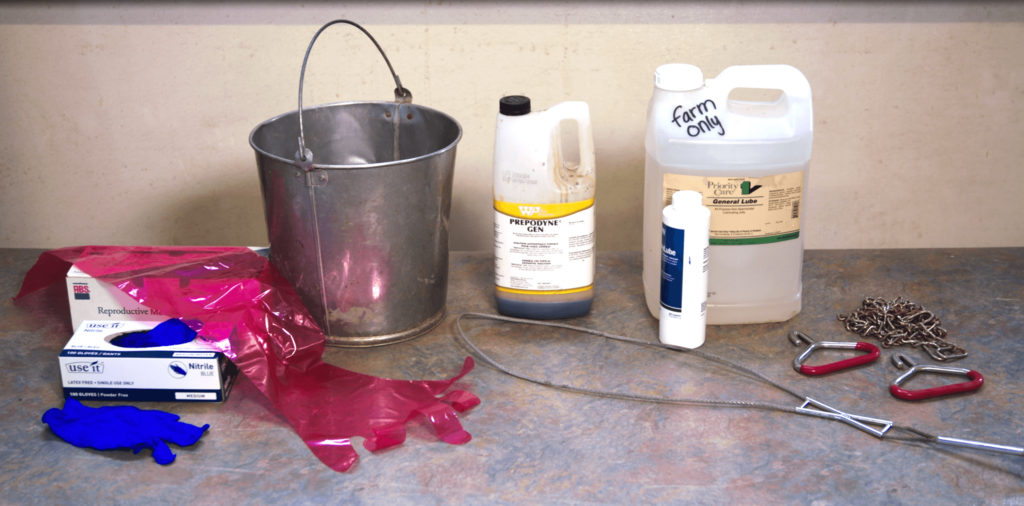
Le Dr Richard a également passé en revue les trois étapes du vêlage et les moments où les producteurs devraient intervenir, suggérant que si aucun progrès n’est observé dans l’heure qui suit l’apparition de la poche des eaux chez les vaches, ou dans l’heure et demie qui suit chez les génisses, il est temps d’examiner la situation et potentiellement de venir en aide.
Assistance au vêlage et réanimation
Lorsque l’aide est nécessaire, le Dr Richard a fourni des descriptions détaillées pour vérifier la position et la viabilité du veau, placer correctement les chaînes de vêlage et aider à la mise bas sans causer de dommages au veau ou à la vache.
La naissance est la plus grande transition qu’un veau connaîtra dans sa vie, et elle peut être traumatisante. La Dre Windeyer a proposé trois étapes clés pour aider un veau à démarrer une fois qu’il est né : le faire respirer, le mettre debout et le nourrir. Ces premiers instants sont essentiels à sa survie, surtout après un accouchement difficile.
Que faire si un veau ne respire pas par lui-même ? Dans ce cas, une réanimation est nécessaire. La Dre Windeyer a partagé des techniques permettant de donner aux veaux en difficulté les meilleures chances de s’en sortir :
- Évitez de suspendre les veaux à l’envers
- Utilisez la position de récupération : poitrine redressée, tête maintenue entre les pattes avant
- Stimulez la respiration en frottant vigoureusement le veau avec une serviette, en lui tapotant le nez ou en utilisant un appareil de respiration assistée
Pour plus d’informations, consultez l’article du BCRC sur la réanimation des veaux.
Soins aux veaux nouveau-nés
Le colostrum joue un rôle essentiel dans l’immunité des veaux :
- Le colostrum est essentiel au développement du système immunitaire du veau, et tout commence avec la mère. La qualité dépend d’une vaccination adéquate et d’une bonne alimentation avant la mise bas.
- Les veaux faibles, nés jumeaux, ayant connu un accouchement difficile ou ayant nécessité de l’aide à la naissance courent un risque plus élevé et peuvent nécessiter une intervention pour s’assurer qu’ils reçoivent suffisamment de colostrum.
- Le moment est crucial. Les veaux peuvent absorber les anticorps contenus dans le colostrum jusqu’aux 12 premières heures de leur vie. Cependant, moins on attend, mieux c’est. L’idéal, pour une absorption maximale des anticorps, est que les veaux reçoivent du colostrum dans la première ou les deux premières heures suivant la naissance.
- Si l’allaitement n’a pas eu lieu ou ne peut avoir lieu en temps opportun, donnez environ 1,5 litre de colostrum contenant plus de 100 grammes d’IgG pour renforcer l’immunité.
- Commencez par encourager le veau à téter la vache, puis essayez de le nourrir au biberon (colostrum tiré de la vache, vache de la ferme ou provenant d’une source en poudre), mais s’il ne tète pas de lui-même, il vaut mieux le nourrir à l’aide d’une sonde plutôt que d’attendre trop longtemps.
Immédiatement après la naissance, les producteurs devraient également :
- Administrer un analgésique au veau et à la vache.
- Vacciner contre les maladies respiratoires.
- Envisager des traitements contre la coccidiose et des compléments vitaminiques/minéraux.
Pratiques au niveau des ranchs pour une réussite à long terme
Heidi Bennet, de W.A. Ranches, a discuté de ce qui a bien fonctionné dans cette exploitation à grande échelle fondée sur la recherche. Elle a souligné la nécessité de prendre soin de la mère en traitant rapidement les problèmes, en faisant preuve d’empathie et en passant du temps à observer le troupeau.
Pour W.A. Ranches, le fait de repousser la saison de vêlage plus tard au printemps a permis de réduire l’incidence du stress dû au froid chez les veaux. De plus, le vêlage en pâturage a permis d’améliorer le lien entre la vache et son veau et a contribué à réduire le risque de maladie en évitant la surpopulation dans les enclos et en réduisant l’exposition aux agents pathogènes. Le ranch a également réussi à gérer les champs de vêlage en utilisant le système de vêlage Sandhills afin de réduire la transmission des maladies, en s’assurant que le vêlage se déroule sur un sol propre.
Points clés à retenir pour améliorer la survie des veaux en début de vie
- La préparation et la prévention sont plus efficaces que la réaction.
- Sachez quand et comment intervenir pendant le vêlage.
- Donnez la priorité à l’administration du colostrum et à la gestion de la douleur.
- Adaptez les systèmes de vêlage à la taille de votre exploitation, à vos installations et aux conditions météorologiques.
- Collaborez avec votre vétérinaire pour élaborer et mettre à jour les protocoles sanitaires de votre troupeau.
APPRENEZ-EN DAVANTAGE :
- Reproduction et vêlage (page thématique du BCRC)
- Vêlage et gestion des veaux (page thématique du BCRC)
- À vos marques, prêts, mettez bas ! – Comment vous préparer et préparer votre exploitation bovine à la prochaine saison de mise bas (article du BCRC)
- 911 pour veaux – Comment évaluer les veaux nouveau-nés à l’aide du système de notation VIGOR (article du BCRC)
- Calme et Sérénité – Se préparer à une saison de vêlage en douceur et dans de bonnes conditions (article du BCRC)
- 911 Pour Veaux – Quand et comment aider lors d’un vêlage difficile (article du BCRC)
- La Stratégie Sandhills — Déplacer les vaches gestantes vers un terrain frais et laisser les paires derrière peut limiter les maladies des veaux (article du BCRC)
- Listes de contrôle de 911 Pour Veaux – Accès facile à des conseils sur la gestion du vêlage (ressources du BCRC)
Le partage ou la réimpression des publications du BCRC sont les bienvenus et sont encouragés. Veuillez mentionner le Beef Cattle Research Council, fournir l’adresse du site Web, www.BeefResearch.ca/fr, et nous faire savoir que vous avez choisi de partager l’article en nous envoyant un courriel à [email protected].
Le BCRC est financé par une partie du prélèvement national sur les bovins de boucherie.

Vos questions, commentaires et suggestions sont les bienvenus. Contactez-nous directement ou lancez une discussion publique en publiant vos idées ci-dessous.