Solving Problems Starts with Asking the Right Questions 🎙️
CLICK THE PLAY BUTTON TO LISTEN TO THIS POST:
Listen to more episodes on BeefResearch.ca, Spotify, Apple Podcasts, Amazon Music or Podbean.
This article written by Dr. Reynold Bergen, BCRC Science Director, originally appeared in the March 2026 issue of Canadian Cattlemen magazine and is reprinted on BeefResearch.ca with permission of the publisher.
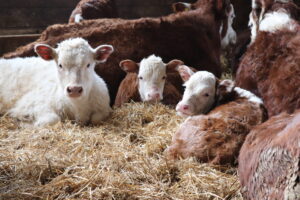
Diseases start when a susceptible calf encounters the wrong combination of microbes, weather and management stresses. With respiratory disease (pneumonia), viruses infect the upper respiratory tract and allow bacteria to infect the lower respiratory tract. Protecting calves against the initial viral infection is key to reducing the risk of pneumonia. This can be tricky with newborn calves because maternal antibodies from the colostrum can interfere with and inactivate injectable vaccines. Intranasal and oral vaccines are more effective in newborns because they stimulate a different part of the immune system.
Pneumonia is usually associated with viruses like BHV-1, BPIV-3, BRSV, BVDV1 and BVDV2. In contrast, bovine coronavirus is usually associated with scours. But researchers have begun to suspect that bovine coronavirus may also be involved in BRD. Dr. Nathan Erickson and colleagues at the Western College of Veterinary Medicine in Saskatoon worked with a consulting veterinary practice and one of their large commercial clients in north-central Alberta to assess whether a bovine coronavirus vaccine would help protect pre-weaned calves against pneumonia (“Comparison of pre-weaning BRD treatment rates between non-vaccinated control and variably primed and boosted beef calves using commercially available bovine coronavirus vaccines,” Canadian Veterinary Journal).
What They Did
The ranch had a long calving season (mid-February through May) and a history of pre-weaning pneumonia. In earlier years, diagnostic tests run on nasal samples from sick calves detected coronavirus more often than other viruses. So this team designed a trial to see whether adding a coronavirus vaccine to the calf health program would help deal with the pneumonia problem.
Within a day of birth, nearly 900 calves from the same calf crop were given intranasal Inforce 3 (against BHV1, BRSV and PI3). At the same time, half the calves were also given Calfguard, an oral vaccine against scours caused by coronavirus and rotavirus that they delivered intranasally in this study. Using Calfguard intranasally is an extra label use, so it’s important to talk to your veterinarian before trying this on your own calves. The other half of the calves weren’t given Calfguard. Cow-calf pairs with similar calving dates were penned together until booster vaccinations were given at roughly 49 days of age.
All calves were boostered with Pyramid FP5 + Presponse (BHV1, BRSV, PI3, BVD types 1 & 2 and Mannheimia) and given Vision 8 somnus (eight-way clostridial vaccine with Histophilus). Calves that had been given Calfguard at birth earlier were boostered with Calfguard (by injection) but the other half of the calves weren’t. Then all pairs were turned into a larger quarter-section field where calf health was monitored until they were moved to summer pasture. Weaning weights were collected and economics were compared between the calves that had received the coronavirus vaccine at birth and spring processing and those that hadn’t.
What They Learned
Effect of calving period: Just over a quarter of the calves were born in the first three weeks of the calving period, 42% during the second three weeks and 29% were born later. Before the calves went to pasture, pneumonia treatment rates were higher (25%) among calves born during the second three weeks than for calves born in the first three weeks (16%) or calves born at the end (12%).
Pneumonia before turnout: While the pairs were in the group pens, pneumonia treatment rates were significantly lower for calves that had been vaccinated against coronavirus (16%) than for calves that hadn’t (21%). Mortality rates were also lower for calves that had been vaccinated against coronavirus, especially among the calves born during the second three weeks of the calving season that experienced the most pneumonia. In that second cycle, 0.5% of the calves that had been vaccinated against coronavirus died, compared to 2.6% of calves that weren’t. The previous column explained how a short calving season helps reduce newborn death loss.
Pneumonia after turnout: To make sure that pneumonia relapses didn’t muddy these results, the comparison of differences in post-turnout pneumonia only included calves that had not been treated for pneumonia in the group pens. After calves were turned into the larger field, 4.5% of the calves that were vaccinated against coronavirus were treated for pneumonia compared to 7.2% of the calves that weren’t. This difference was nearly statistically significant.
Economics: Calves that had been vaccinated against coronavirus weighed 4.5 lbs more than those that weren’t. Per-head vaccination costs were $27.60 higher for calves that had been vaccinated against coronavirus because of the added vaccine costs ($10.60) and labor ($17) associated with the two doses of the Calfguard vaccine. On the other hand, calves that had been vaccinated against coronavirus had lower treatment costs ($2.31 vs. $3.18) and a higher weaning rate (98.5% vs. 97.7%) than those that hadn’t been. Putting all this together with their heavier weaning weights, calves vaccinated against coronavirus netted $10.50 per head more than the calves that hadn’t been.
What Does This Mean to You?
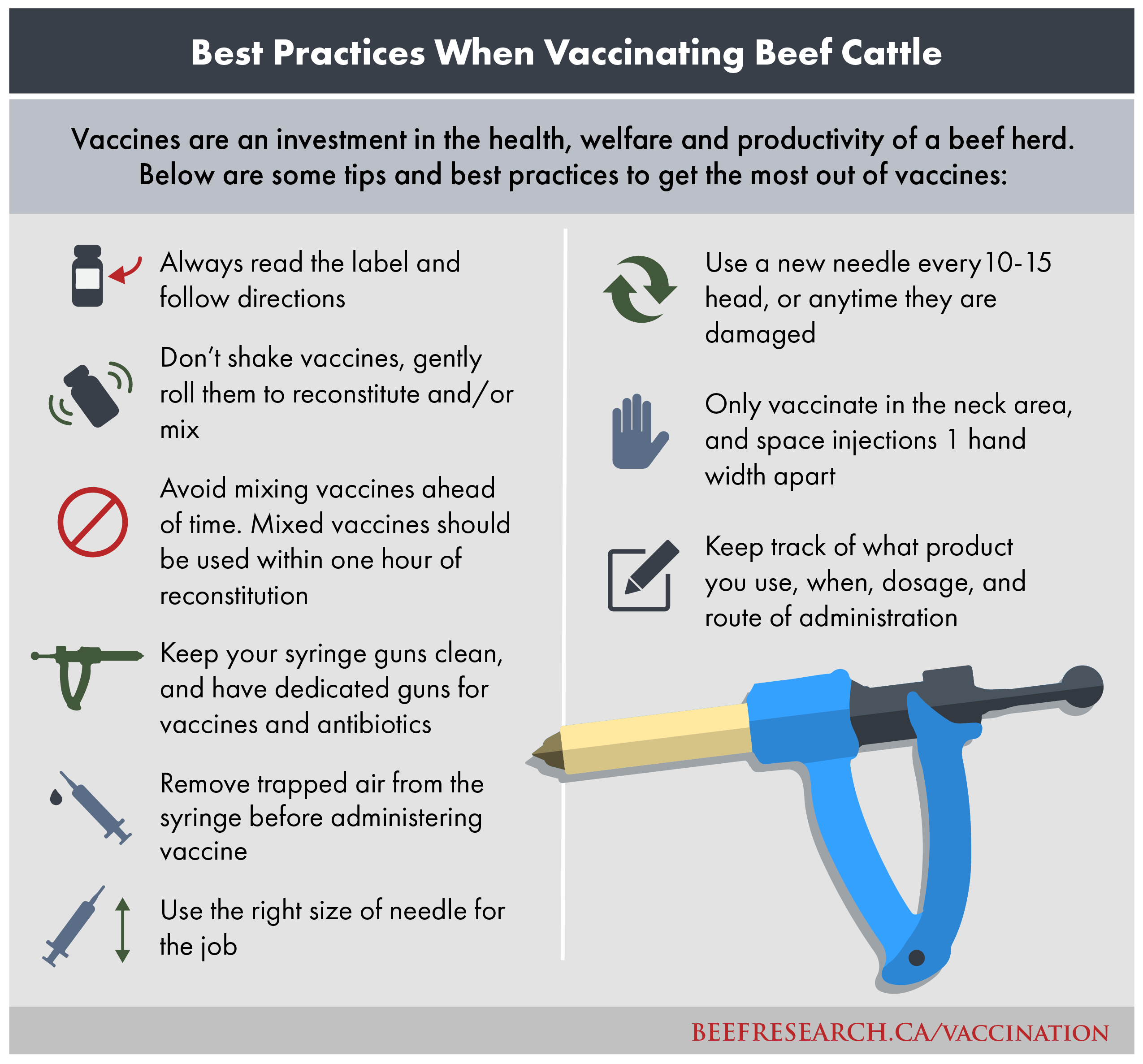
Even if you don’t usually have a problem with scours, vaccinating against bovine coronavirus may complement other calfhood vaccines and give an added level of protection against pneumonia in suckling calves. Herds with coronavirus associated pneumonia in their suckling calves might benefit from vaccination against coronavirus.
The Bottom Line
An effective vaccine program returns more than it costs. Also, use the experts you have. You’re the expert on what’s going on in your herd. Work with your veterinarian’s expertise to develop, refine and troubleshoot a vaccination program that suits your herd and your situation. When they’re stumped, they probably know a researcher who can help.
The Beef Cattle Research Council is a not-for-profit industry organization funded by the Canadian Beef Cattle Check-Off. The BCRC partners with Agriculture and Agri-Food Canada, provincial beef industry groups and governments to advance research and technology transfer supporting the Canadian beef industry’s vision to be recognized as a preferred supplier of healthy, high-quality beef, cattle and genetics. Learn more about the BCRC at www.BeefResearch.ca.
Click here to subscribe to the BCRC Blog and receive email notifications when new content is posted.
The sharing or reprinting of BCRC Blog articles is typically welcome and encouraged, however this article requires permission of the original publisher.
The BCRC is funded by a portion of the Canadian Beef Cattle Check-Off.
We welcome your questions, comments and suggestions. Contact us directly or generate public discussion by posting your thoughts below.