Eight Key Grazing Management Facts to Consider as You Plan for the Upcoming Season
Effective grazing management is one of the most powerful tools beef producers can use to enhance cattle performance, improve pasture productivity and support the long-term sustainability of your pastures and your operation. Whether you are refining an existing grazing plan or building one from the ground up, these grazing management facts can help you get the most out of every acre.
1. Balance Forage Supply and Demand
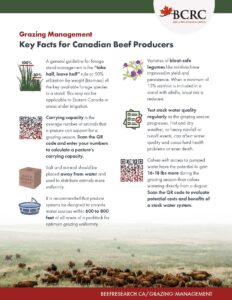
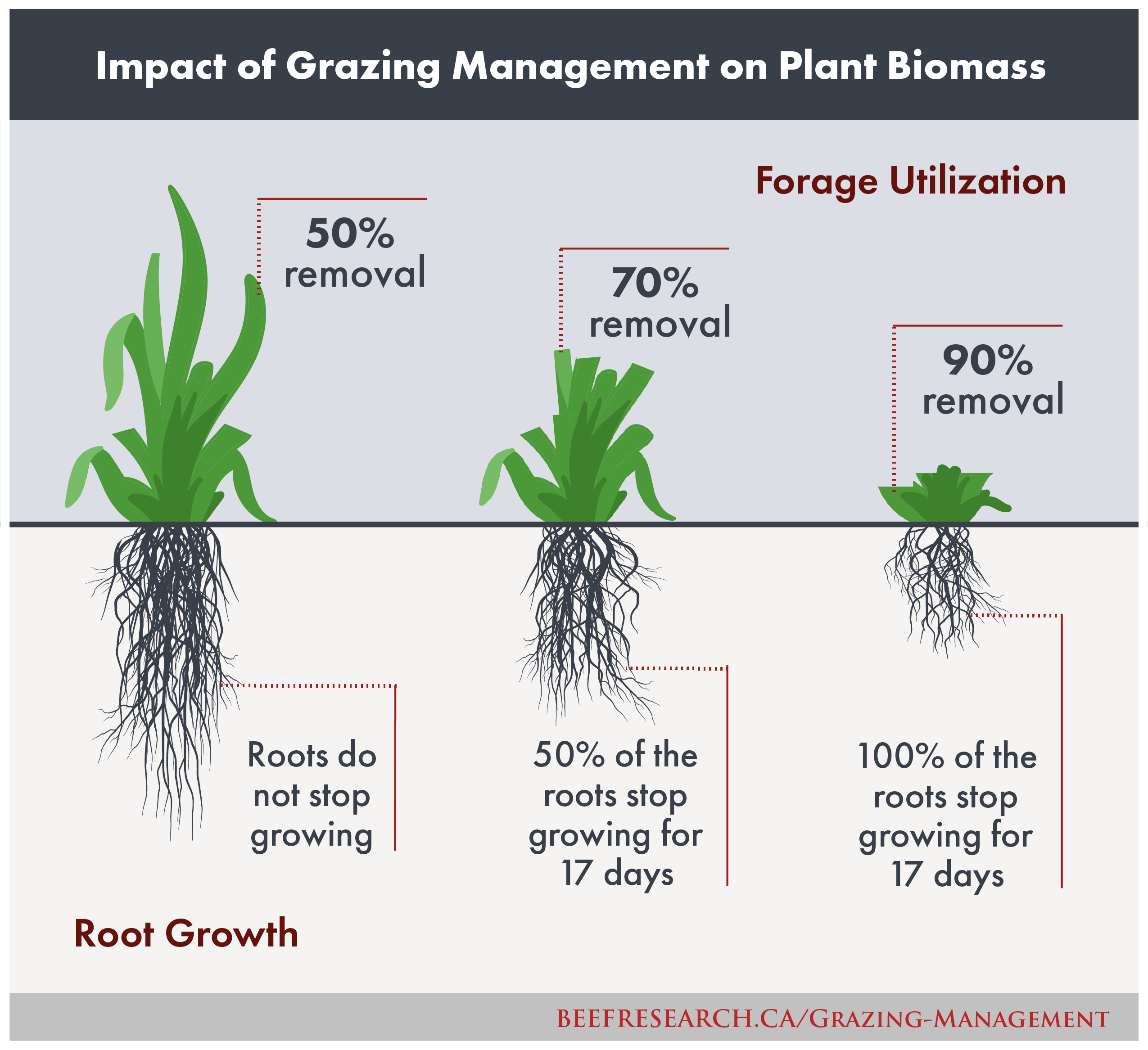
Matching animal numbers to forage availability prevents overgrazing and maintains pasture longevity. A commonly used guideline is the “take half, leave half” principle, suggesting that roughly 50% of total forage biomass should remain after grazing. This helps maintain stand vigour and ensures there is enough leaf left for plants to regrow. However, this may not apply to all regions.
2. Provide Rest During the Growing Season
Plants need time to recover, especially after grazing events. Rest allows root systems to rebuild and strengthens plants so they can withstand grazing pressure throughout the season. Without sufficient recovery time, productivity declines, even if grazing seems moderate in the short term. Rotational grazing systems support this principle by dividing land into multiple paddocks and rotating cattle through, allowing plants time to regrow between grazing cycles.
3. Defer Grazing During Sensitive Periods
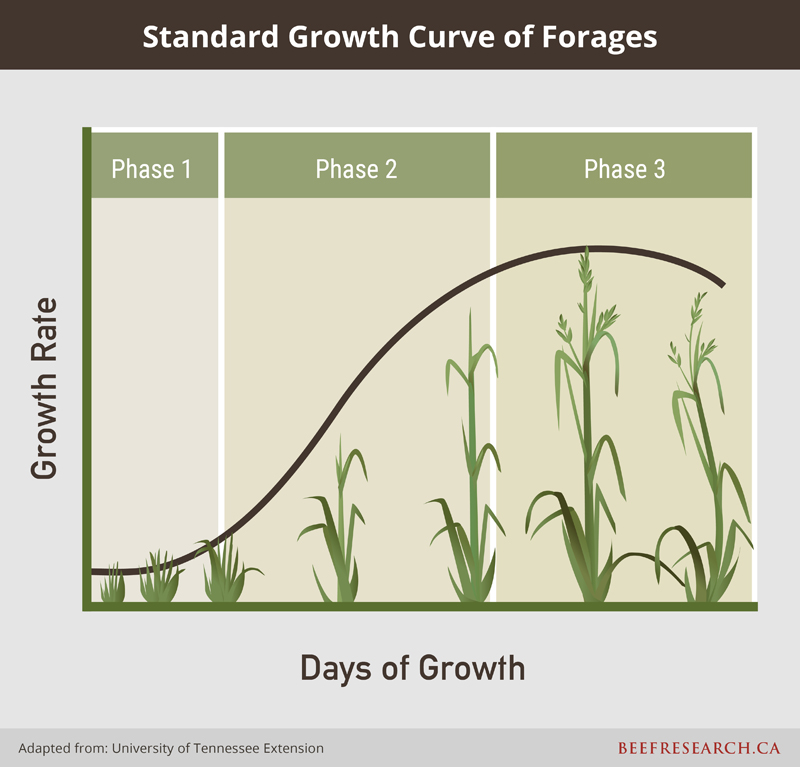
Certain periods in the plant growth cycle are more sensitive than others. Grazing too early in the spring, or at key reproductive stages, can significantly reduce vigour. Delaying grazing during these critical phases ensures plants build energy reserves and maintain long-term resilience.
4. Manage for Uniform Livestock Distribution
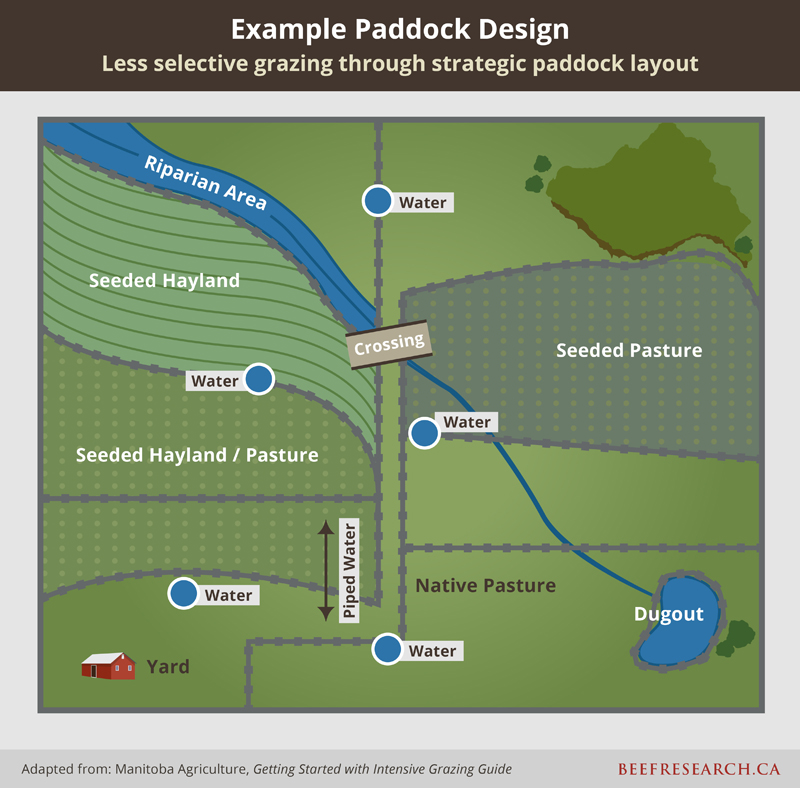
Cattle naturally tend to overuse areas close to water or shade unless encouraged to spread out. Uniform grazing helps maintain consistent forage health across a paddock and reduces patch overuse.
It is recommended to place salt and mineral blocks away from water sources, which encourages cattle to graze less used areas and improves distribution. Ideally, water sources should be available within 600–800 feet of all areas of a paddock to support uniform grazing patterns.
5. Choose the Grazing System That Fits Your Operation
Grazing systems commonly used in Canada include continuous grazing and rotational grazing. Selecting the right system depends on your resources, goals and the specific landscapes you manage.
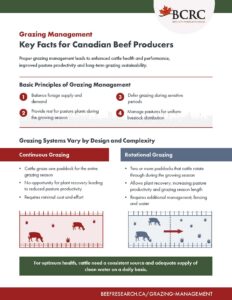
Continuous Grazing
- Cattle graze one paddock all season
- Minimal cost and management
- Reduced pasture productivity due to lack of rest and recovery
Rotational Grazing
- Two or more paddocks grazed in sequence
- Supports plant recovery and boosts productivity
- Can lengthen the grazing season
- Requires more planning, fencing and water distribution efforts
6. Monitor Water Quality and Supply
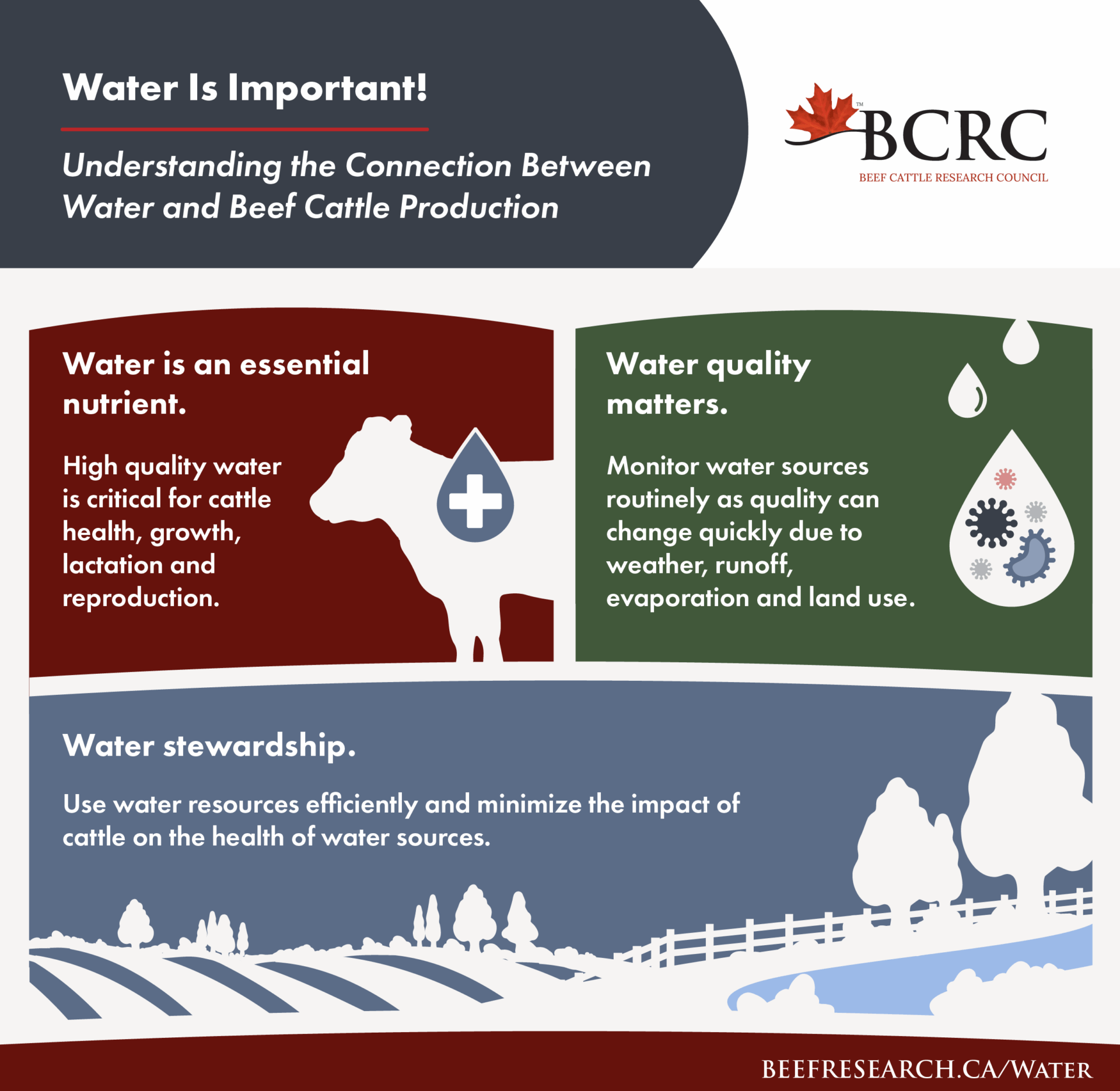
Clean, reliable water is essential. Poor water quality can lead to severe health challenges or even mortality. Research has shown that calves with access to pumped water may gain 16–18 lbs more during the grazing season compared to calves drinking directly from a dugout.1 Regular water testing is important as quality can shift significantly during the summer months.
7. Consider Grazing Legumes
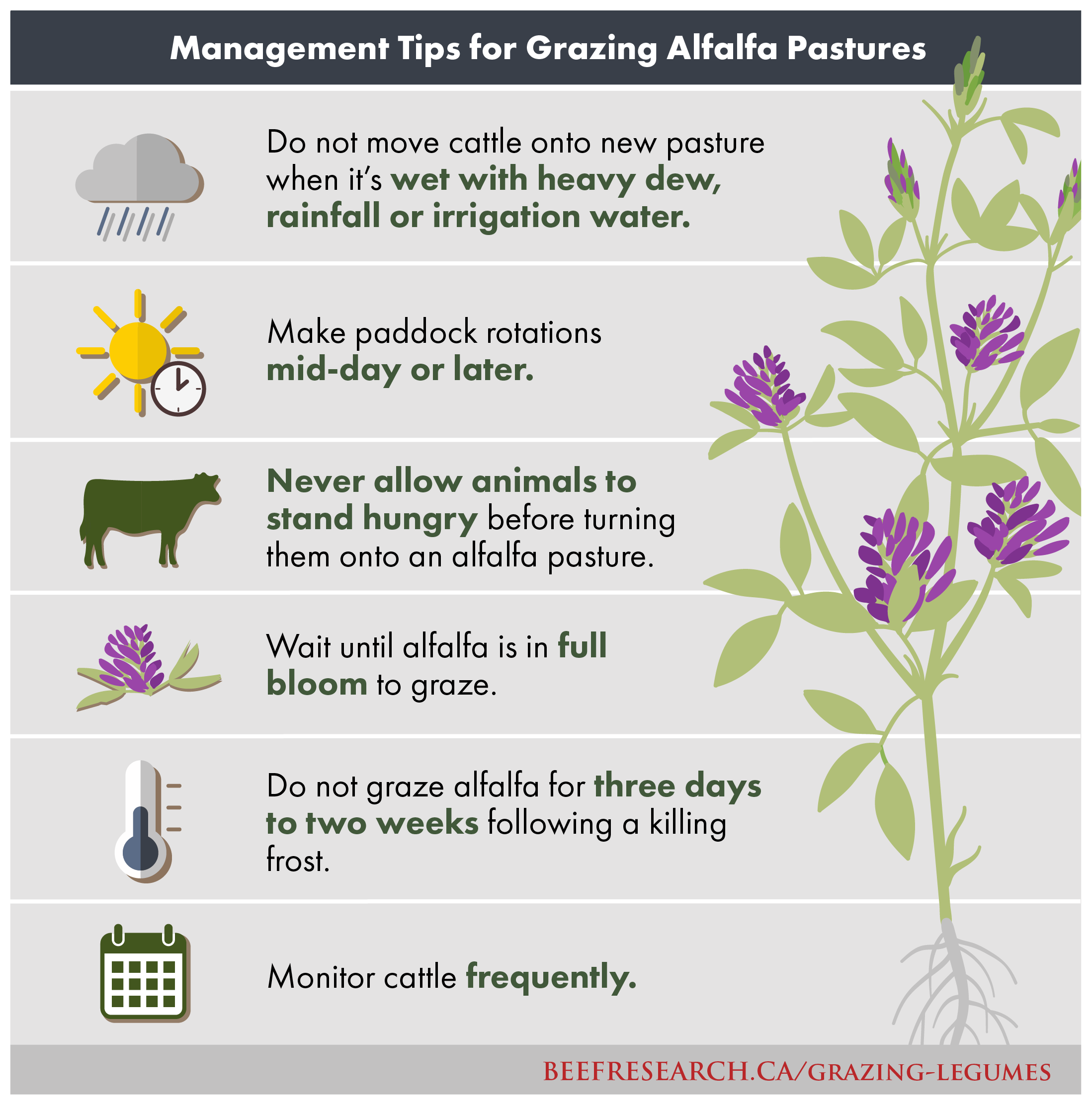
Legumes such as alfalfa and clover can significantly boost forage quality, but some bring a risk of bloat. Newer varieties of bloat safe legumes, such as sainfoin, have improved in persistence and yield. When 15% or more sainfoin is included in a stand with alfalfa, bloat risk is reduced while maintaining nutritional benefits.
8. Evaluate Carrying Capacity Regularly
Carrying capacity, also known as grazing capacity, is the amount of forage available for grazing animals in a specific pasture or field. The BCRC’s Carrying Capacity Calculator allows you to determine the carrying capacity of pastures based on two methods: 1) estimates based on provincial guides and 2) field-based sampling.
What This Means for Your Grazing Plan
Grazing management is both an art and a science. While the fundamentals remain consistent, each operation is unique based on climate, soil type, forage species, herd size and production goals. By understanding and applying these core management facts, you can increase pasture resilience, improve herd performance and build a more sustainable grazing system for the long term.
- References
- Willms, W.D., Kenzie, O., McAllister, T., Colwell, D., Veira, D., Wilmshurst, J., Entz, T. and Olson., M. (2002). Effects of water quality on cattle performance. Journal of Range Management, 55:452-460.
Sharing or reprinting BCRC posts is welcome and encouraged. Please credit the Beef Cattle Research Council, provide the website address, www.BeefResearch.ca, and let us know you have chosen to share the article by emailing us at [email protected].
The BCRC is funded by a portion of the Canadian Beef Cattle Check-Off.

Your questions, comments and suggestions are welcome. Contact us directly or spark a public discussion by posting your thoughts below.