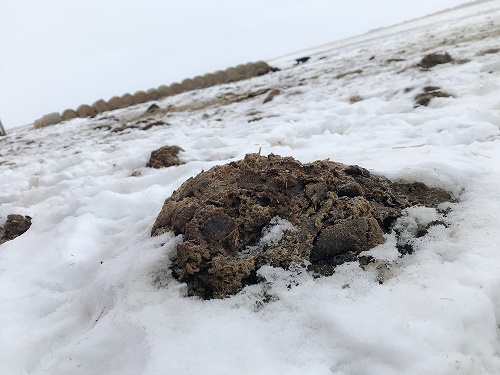
What goes in must come out: manure and nutrient management

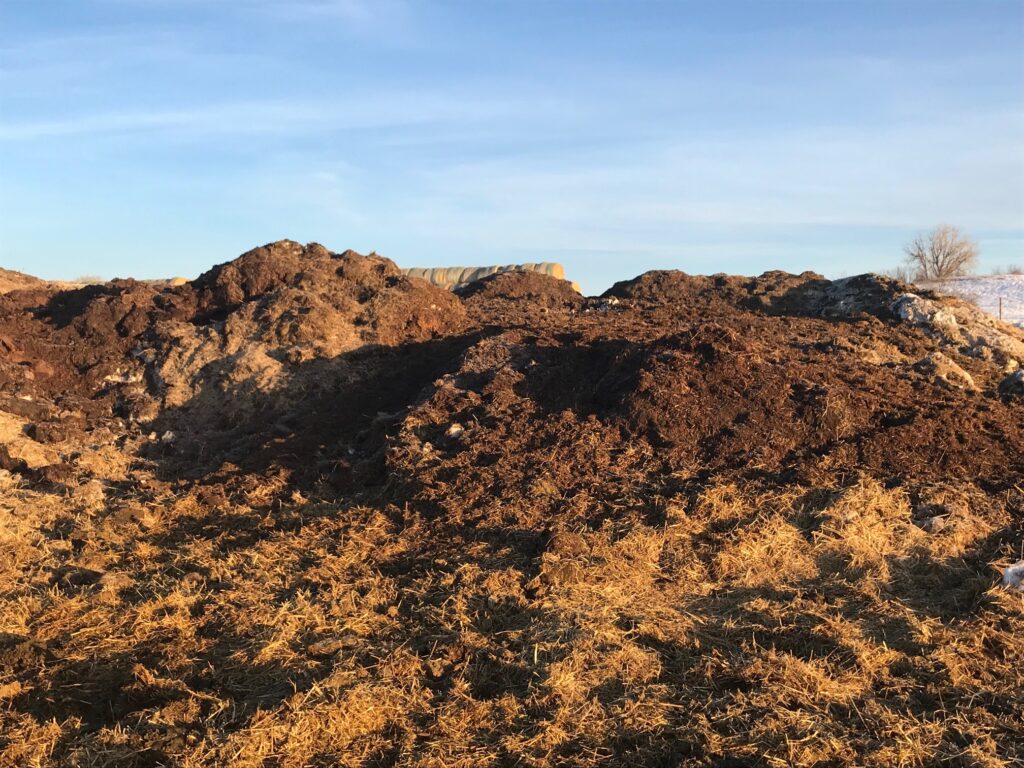
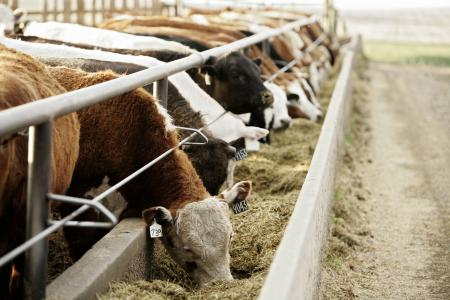
In a cow-calf operation where cattle are often fed in pens for a portion of the year, pens are generally cleaned at least annually to remove accumulated manure and bedding. While backgrounders and feedlots have enforced protocols to manage and store manure, general guidelines apply to all producers who are handling and storing manure.

Manure offers a long-term source of nutrients that can influence soil properties, increase soil carbon and nitrogen, and alter soil phosphorus and potassium concentrations along with other nutrients. Best management practices must be followed across all sectors from cow/calf to backgrounders and feedlots.

Though specifics vary by region, recommendations include:

  • avoid short term stockpiles on sandy soils, rock quarries, or gravel pits
  • use a concrete pad if possible, to prevent nutrient leaching into soil and groundwater
  • have runoff containment, such as a lagoon
  • ensure that stored manure areas are at least 60 metres from drilled water wells, 400 metres from municipal wells and 120 metres from all other wells, streams, rivers, lakes, and ponds
  • the slope of the land where manure is stockpiled must not be greater than 3% to avoid overland runoff
  • keep winter feeding sites and corrals at least 30 metres from bodies of water

Treatment of stored manure can include stockpiling, composting, drying, and less commonly, separation and filtering. These methods reduce moisture content, which reduces volume and odour. Stockpiling (no treatment), composting and drying are the most common treatment strategies in beef cattle operations.

Visit our new webpage for more information on the benefits, use and storage of manure.

Provincial Guidelines/Regulations

Click here to subscribe to the BCRC Blog and receive email notifications when new content is posted.

The sharing or reprinting of BCRC Blog articles is welcome and encouraged. Please provide acknowledgement to the Beef Cattle Research Council, list the website address, www.BeefResearch.ca, and let us know you chose to share the article by emailing us at info@beefresearch.ca.

We welcome your questions, comments and suggestions. Contact us directly or generate public discussion by posting your thoughts below.

Cost of Manure Management

Manure, when used properly, is a valuable resource for the cropping or forage sectors, but handling it comes with a cost. While many producers extensively winter feed their cattle which reduces or eliminates the cost and time associated with manure removal, hauling and application, this article discusses traditional management of livestock manure.

The traditional management of livestock manure involves removal from drylot pens each spring to be utilized as fertilizer on crop or pasture, in either raw or composted form. The application of manure has short-term and long-term effects on crop yields. In the short term, the addition of nutrients (such as nitrogen) in manure may immediately increase yields. In the long-term, increases in yields may be due to delayed nutrient release or improvements in soil quality as the result of a series of complex interactions between the nutrients, organic matter and organisms in the manure and the existing conditions of the soil.

When discussing the cost-benefit of manure versus commercial fertilizers, previous studies have traditionally focused on the short-term effects. As manure contains lower concentrations of key nutrients than commercial fertilizers, the cost of manure handling is a key factor for determining whether manure is providing a cost-effective fertilizer resource compared to commercial fertilizers. An important question is what is the break-even hauling distance for manure to be cheaper than using commercial fertilizer? Research addressed this question by measuring crop response data relative to the application of manure and by using custom application rates in Saskatchewan. This study found that beef manure could be hauled anywhere from 1.0 to 7.9 km. The two key factors to explain the wide range were: (1) variable soil conditions, and (2) varying nutrient content of the manure. An Alberta study (2006) estimated that beef feedlot manure can be hauled economically from 4.99 to 18.82 km depending upon phosphorus availability and nutrient content. The same study found the estimated total cost (including loading, hauling and spreading) for applying solid manure ranged from $3/tonne (with radius of haul < 1.6 km) to $8/tonne (with radius of haul < 8 km).

The wide range of the break-even hauling distance found in these studies shows that the evaluation of the economics of manure as a fertilizer depends on:  nutrient content of the manure, type of crop, soil condition, the cost of transport, form of manure (e.g. liquid, slurry, solid) as well as the market value of manure relative to commercial fertilizer. All of these variables are important information to estimate the economic hauling distance for a specific farm.

Information on manure management and decision-making tools have been developed by provincial departments of Agriculture and are publicly available on their websites.

According to the Statistics Canada’s 2017 Farm Management Survey, only 57% of beef operations reported spreading manure on their forage crops each year, and 63% on their field crops across Canada. These are among the lowest adoption rates across all farm types. While management costs, in particular the short cost-effective hauling distance, may be one of the key limiting factors for manure application, more information on the long-term benefits of adding manure to the soil could increase adoption rate. Studies have shown that the use of animal manure as a soil amendment can have profound effects on soil structure, soil chemistry and soil organisms (microbes and macrofauna), and suppress soil pathogens and disease. Strategic management of animal manures may be a cost-effective way in the long-run to increase soil organic matter content, stimulate soil biology, improve physical structure and ultimately improve crop yields.

While manure application is beneficial to soil in many ways, there are potential environmental concerns such as nutrient loading and water quality issues, which can be minimized through careful attention to application rate and timing. It should also be noted that there are different regulations about manure application and seasonal restrictions across provinces.

Provincial Guidelines/Regulations

Learn More:

References
  • Graham, E., Grandy S., Thelen, M. Manure effects on soil organisms and soil quality. Emerging Issues of Animal Agriculture. Available here.
  • Jungnitsch, P. F., Schoenau, J. J., Lardner, H. A., & Jefferson, P. G. (2011). Winter feeding beef cattle on the western Canadian prairies: Impacts on soil nitrogen and phosphorus cycling and forage growth. Agriculture, ecosystems & environment141(1-2), 143-152. Available here.
  • Nagy, C. N. (1999, February). Economic returns and hauling distance of hog and cattle manure. In Soils and Crops Workshop. Available here.
  • Toma and Bouma Management Consultants. (2006) Economic analysis of soil phosphorus limits on farms in Alberta . In Alberta Soil Phosphorus Limits Project. Vol 4: Economics and management. Alberta Agriculture, Food and Rural Development, Lethbridge, Alberta, Canada. 82pp.

Click here to subscribe to the BCRC Blog and receive email notifications when new content is posted.

The sharing or reprinting of BCRC Blog articles is welcome and encouraged. Please provide acknowledgement to the Beef Cattle Research Council, list the website address, www.BeefResearch.ca, and let us know you chose to share the article by emailing us at info@beefresearch.ca.

We welcome your questions, comments and suggestions. Contact us directly or generate public discussion by posting your thoughts below.

What happens when the manure hits the field?

Nutrients from agriculture can be lost to the atmosphere as gaseous emissions such as ammonia, nitrous oxide, nitric oxide and dinitrogen.  Other forms of nutrients, such as nitrates, may also be lost by leaching down into soils and possibly entering aquifers, or as organic molecules and solutes that can runoff into surface waters. These nutrient losses can pose risks to the environment and public health, and to society in general and because of this, the livestock sector is often under public scrutiny for its role in nutrient management. Producers who improve their on-farm nutrient management methods stand to benefit by reducing fertilizer use through incorporating nitrogen-fixing legumes, or extending their grazing to minimize manure spreading costs and gaseous losses.

Nutrient inputs – such as fertilizer, manure and biologically fixed nitrogen – enter a production system while outputs – like hay or livestock – are the result. If a system’s inputs exceed the outputs, there will be nutrient “leaks” through losses to the atmosphere, or leaching into soils. Biological and chemical processes in the soil and plants change the chemical composition of nutrients such as nitrogen, phosphorus, or sulphur. Each time a nutrient changes forms, there is a positive effect (better uptake) or negative effect (greater losses) on the whole farm system. In some cases there can be both positive and negative effects, such as when ammonium converts to nitrate which is more plant available yet more prone to leaching or nitrous oxide formation.

Improved manure storage can reduce nutrient loss

Beef cattle produce approximately 634,000 tonnes of manure nitrogen in Canada annually, more than half of which is deposited directly on pasture. Forages are critical to beef cattle systems and play a valuable role in cycling nutrients and reducing losses to the environment. Producers can make efforts to manage nutrients from cattle manure and forage fertilization to reduce their environmental impact and also improve their bottom line.

During a BCRC webinar, Shabtai Bittman, PhD, a researcher with Agriculture and Agri-Food Canada, explained nutrient cycling in forage ecosystems, including:

  • How much nitrogen from manure is actually taken up by forage crops? When compared with fertilizer, manure nitrogen uptake by forage plants is lower. Over time, however, more manure nitrogen remains in the soil compared to fertilizer nitrogen sources. (Jump to 37:28 in the webinar recording to learn more)
  • What effect does grassland conversion have on nutrient loss? Forage stand rejuvenation or termination can cause nitrogen loss following tillage or herbicide application, so it is important to minimize the time that the soil is bare. (Jump to 41:46)
  • Do forages lose nutrients during the winter? Ongoing research is showing nutrient loss due to soil bacterial activity can occur even on frozen soils, particularly in clay-soils-based forage systems. (Jump to 43:26)
  • Can pasture plant communities shift with the application of different nutrients? Nitrogen-only fertilizer applications can skew communities toward less useful forage species, such as Kentucky blue grass, or reduce legume and forb species. A more balanced application of nitrogen, phosphorus and sulphur support a more productive and suitable stand of forage species. (Jump to 47:53)

The way in which nutrients are cycled through forage and cattle-based production systems is far from simple. Many different practices can be applied to mitigate nutrient losses and simultaneously increase nutrient absorption by plants, however this can vary by region and local knowledge is very useful.

As with all previous BCRC webinars, you can watch the full recording on managing nutrients in forages here.

Click here to subscribe to the BCRC Blog and receive email notifications when new content is posted.

The sharing or reprinting of BCRC Blog articles is welcome and encouraged. Please provide acknowledgement to the Beef Cattle Research Council, list the website address, www.BeefResearch.ca, and let us know you chose to share the article by emailing us at info@beefresearch.ca.

We welcome your questions, comments and suggestions. Contact us directly or generate public discussion by posting your thoughts below.

Fertilizing Pastures and Hay: Beef Research School Episode

In the previous episode of the Beef Research School, Dr. Paul Jefferson explained how to maximize your forage acres, including when to rejuvenate and when to reseed.  In this episode, we take a closer look at rejuvenation methods.

Dr. Bart Lardner with the Western Beef Development Centre discusses why producers should consider fertilizing hay and pasture land. In addition to chemical fertilizer or composted manure, in-field winter feeding systems are another strategy to consider.  For example, bale grazing not only deposits nutrients through raw manure, bale waste will also make nutrients available to plants (once soil microbes are done feeding). Dr. Lardner cautions that bale grazing sites must be rotated to prevent excessive nutrient deposits which can lead to problems.

With increased forage production on grazing land, higher stocking rates can be used and animal performance may improve.  Increased production on hay land reduces the cost of unit of production, which means reduced winter feed costs per cow.

See the video here.

Stay tuned for more episodes of the Beef Research School. Past episodes covered maximizing forage acres, biosecurity for beef cattle, and manure management. More information on the Beef Research School.

Learn more

Sustainable Management of Nutrients on the Landscape for In-Field Livestock Winter Feeding Systems
Agriculture and Agri-Food Canada

Maximizing forage acres: Beef Research School episode
BCRC Blog – July 15, 2013

Manure application and soil nutrient management: new video
BCRC Blog – June 6, 2013

Click here to subscribe to the BCRC Blog and receive email notifications when new content is posted.

The sharing or reprinting of BCRC Blog articles is welcome and encouraged. Please provide acknowledgement to the Beef Cattle Research Council and list the website address, www.BeefResearch.ca.

We welcome your questions, comments and suggestions. Contact us directly at info@beefresearch.ca or generate public discussion by posting your thoughts below.

Stay connected by following us on Twitter @BeefResearch, liking us on Facebook, and subscribing to our YouTube Channel.

Manure Application and Soil Nutrient Management: New Video

Cattle manure is a valuable resource in agriculture when utilized properly. On an annual basis, approximately 3.4 million hectares of land in Canada receives animal manure as an amendment to improve soil fertility and quality for crop growth. Manure from cattle contains macronutrients and micronutrients that plants need. It also has considerable amounts of organic matter that can improve soil tilth. Land application of cattle manure is an effective way of recycling nutrients. As such, cattle manure that is hauled out and applied to farm fields or deposited directly by grazing or overwintered cattle reduces reliance on commercial fertilizers and helps to sustain land productivity.

The latest video in the Beef Research School series features Dr. Jeff Schoenau, University of Saskatchewan researcher and professor of soil science. Dr. Schoenau explains the availability of nutrients in manure to plants, how cattle diet affects manure nutrient levels, the importance of having manure and soil samples tested, and tips for manure application on fields.

See the video here.

Stay tuned for more episodes of the Beef Research School. Past episodes covered e-beam irradiation of beef trim, planning pastures for grazing and hay, and pain mitigation while dehorning, castrating and branding. More information on the Beef Research School.

Learn more

The sharing or reprinting of BCRC Blog articles is welcome and encouraged. Please provide acknowledgement to the Beef Cattle Research Council and list the website address, www.BeefResearch.ca.

We welcome your questions, comments and suggestions. Contact us directly at info@beefresearch.ca or generate public discussion by posting your thoughts below.

Stay connected by following us on Twitter @BeefResearch, liking us on Facebook, and subscribing to our YouTube Channel.

Click here to subscribe to the BCRC Blog and receive email notifications when new content is posted.

Johne’s Disease and the Ethical Dilemma

This article written by Dr. Steve Hendrick, from the Western College of Veterinary Medicine at the University of Saskatchewan, originally appeared in the February 2013 issue of Saskatchewan Cattlemen’s Connection magazine and is reprinted with permission.

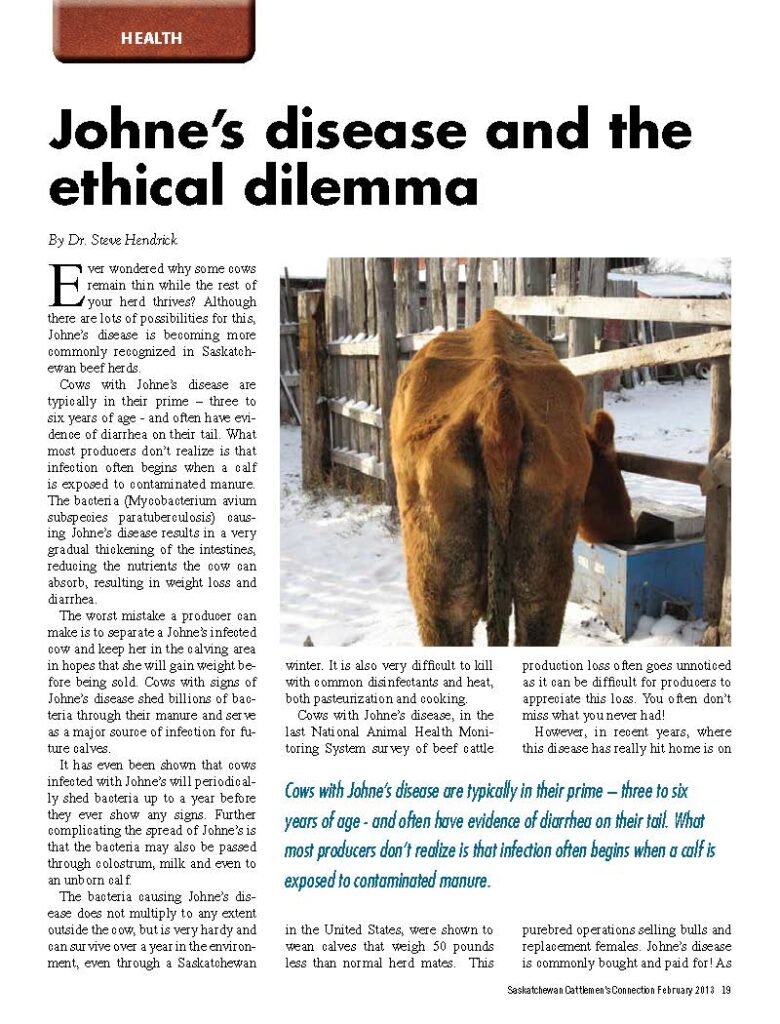
Ever wondered why some cows remain thin while the rest of your herd thrives? Although there are lots of possibilities for this, Johne’s disease is becoming more commonly recognized in Saskatchewan beef herds. Cows with Johne’s disease are typically in their prime (3 to 6 years of age) and often have evidence of diarrhea on their tail. What most producers don’t realize is that infection often begins as a calf when exposed to contaminated manure. The bacteria (Mycobacterium avium subspecies paratuberculosis) causing Johne’s disease results in a very gradual thickening of the intestines reducing the nutrients the cow can absorb and resulting in weight loss and diarrhea.

The worst mistake a producer can make is to separate a Johne’s infected cow and keep her in the calving area in hopes that she will gain weight before being sold. Cows with signs of Johne’s disease shed billions of bacteria through their manure and serve as a major source of infection for future calves. It has even been shown that cows infected with Johne’s will periodically shed bacteria up to a year before they ever show any signs. Further complicating the spread of Johne’s is that the bacteria may also be passed through colostrum, milk and even to an unborn calf.

The bacteria causing Johne’s disease does not multiply to any extent outside the cow, but is very hearty and can survive over a year in the environment, even through a Saskatchewan winter! It is also very difficult to kill with common disinfectants and heat (both pasteurization and cooking).

Cows with Johne’s disease, in the last National Animal Health Monitoring System survey of beef cattle in the United States, have been shown to wean calves that weigh 50 pounds less than normal herd mates.  This production loss often goes unnoticed as it is can be difficult for producers to appreciate this loss. You often don’t miss what you never had! However, in recent years, where this disease has really hit home is on purebred operations selling bulls and replacement females. Johne’s disease is commonly bought and paid for! As producers become more informed and aware of Johne’s disease, they have started to ask the tough questions. The loss of market access is clearly the biggest struggle most producers face, which is why some continue to bury their head in the sand on this disease. Just remember, what goes around, comes around!

As an industry, the reason for concern with Johne’s disease is not just its production effects, but rather its risk as a cause of human disease. It is very likely that some cases of Crohn’s disease in people are associated with the bacteria causing Johne’s disease in cattle. Not only do the diseases appear similar in clinical signs, but even the damage in the gut. It has been identified that some people are genetically predisposed to Crohn’s disease, but the rate at which new infections are being diagnosed, suggests that an environmental factor is likely at play. Studies suggest that people eating meat and milk protein sources may be at increased risk, however, the retrospective nature of these studies makes them very susceptible to bias. Cattle producers and veterinarians do not appear to be at increased risk of Crohn’s disease, although the presence of the Johne’s bacteria in water from environmental contamination may be the biggest culprit of spread to humans and wildlife.

Testing for Johne’s disease can be an exercise in frustration! The tests do what they were designed to do: identify the bacteria or cow’s immune response against it. However, the bacteria in manure or antibodies in the blood may not be present until late in the disease. Typically for infected herds, a positive test result is indeed positive, but a negative test result means keep looking!  The costs and time needed for completion of these tests do vary ($10 to $50 per sample; 3 days to 16 weeks), so work with your veterinarian to determine what sampling and testing strategy might work best for your herd.

We estimate that at least one in ten beef herds are infected with Johne’s disease. However, the number of cows infected in a herd will depend on its management. Confining cow-calf pairs in small corrals or on pasture will increase the risk of calves getting exposed to infected manure. In beef cattle production, we don’t have the luxury of removing the calf from the cow as in dairy to prevent spread through milk or colostrum. However, that’s why more emphasis is often given for routine testing to identify infected cows and removing them from the herd before calving to reduce the risk of spread to the next generation of calves.

Just remember that controlling Johne’s disease uses some of the same basic management used to control calf scours: reduce exposure to cow manure by giving cow-calf pairs as much room as possible, perhaps using lots of bedding to cover and dilute the manure (“dilution is the solution to pollution!”), and if possible, fence off any standing water that becomes heavily contaminated with manure, culling cows with poor udders or no milk. Strategies like these will help keep clean cows and udders, and minimize calf exposure to manure while getting them sufficient colostrum and milk.

There is no vaccine currently licensed or available in Canada as they interfere with tuberculosis testing and have limited efficacy. Similarly, there are no effective drugs for treating cows with Johne’s disease. Monensin (Rumensin™) is an antimicrobial currently used to prevent coccidiosis, but it has also been found to reduce the shedding of the Johne’s bacteria in the manure of infected cattle and may be one part of a Johne’s control plan.

Overall, Johne’s disease can be successfully managed. The first step is openly discussing the issue and making a plan.  Transparency helps us all. For an industry that has prided itself on its ethics and integrity the dilemma becomes should we be selling known or suspicious animals for either breeding or slaughter knowing the inherent risks to all involved?

Learn more

We welcome your questions, comments and suggestions.  Contact us directly at info@beefresearch.ca or generate public discussion by posting your thoughts below. 

Stay connected by following us on Twitter @BeefResearch, liking us on Facebook, and subscribing to our YouTube Channel.

Explaining Growth Promotants Used in Feedlot Cattle

Feed efficiency in cattle can make or break profitability in the feeding sector, and has environmental implications. The costs of buying a calf and the feed needed to finish it are the two largest variable expenses facing the beef cattle feeding sector. Feed costs are higher than ever because of poor growing conditions in major grain producing countries, because of the use of feed grains in ethanol production, and because of increasing competition of land for crop production versus urban development.

Canadian feed grain prices 2005-2012

Growth promotants are among the many sophisticated tools used by feedlots and other producers to raise more beef, more rapidly, using less feed, while maintaining high standards of animal health, carcass quality and food safety. Growth promotants include ionophores, growth implants, and beta-agonists. A number of products within each category are approved for use by Health Canada’s Veterinary Drug Directorate.

Types of growth promotants

Antimicrobials: Ionophores

Ionophores are antimicrobials delivered through cattle feed that improve nutrient availability to the animal. They can improve feed efficiency and weight gain, reduce methane production, reduce the incidence of bloat and acidosis, and prevent diseases like coccidiosis.

Ionophores improve feed efficiency by acting on the rumen microbes. Most rumen microbes convert the complex fiber and starch in forage and grain into simple molecules that can be absorbed into the bloodstream to provide energy and protein to the animal. Some rumen bacteria (known as methanogens) convert the dietary fiber and starch into methane gas. Methane contains energy, but it cannot be absorbed by the animal, so it is belched out and wasted. Ionophores improve feed efficiency and weight gain by selectively inhibiting methanogenic bacteria, and allow the beneficial rumen bacteria to make more feed energy available to the animal.

Antimicrobials and Antibiotics

Antimicrobial: a substance that can destroy or prevent the growth of microorganisms. There are many different types of antimicrobial substances, including antibiotics, antiprotozoals, alcohol, soap and bleach.

Antibiotic: an antimicrobial substance produced by a microorganism (or a synthetic version) that can kill or prevent the growth of another microorganism. In human and veterinary medicine, antibiotics are used to treat bacterial infections.

Hormonal growth implants

Other growth promotants impact how nutrients are used by the animal after the nutrients have been absorbed into the bloodstream. Growth implants, delivered through a pellet under the skin in the animal’s ear, enhance the reproductive hormones that occur naturally in the animal. In steers, implants replace some of the hormones that were removed when the animal was castrated.

Implants generally encourage protein deposition and discourage fat deposition. This improves both weight gain and feed conversion. Fat deposition requires more than twice as much feed energy as protein deposition does. In addition to this, muscle tissue contains around 70% water, while fat contains less than 25% water. This means that for every ten pounds of muscle gained, about three pounds comes from dry feed and seven pounds comes from water. This ratio is reversed for fat growth (roughly seven pounds from dry feed and three pounds from water). Aggressive implant regimes may negatively impact carcass quality (maturity, marbling score, tenderness, and possibly lean color), especially if used on the wrong types of cattle.

Beta adrenergic agonists

Beta adrenergic agonists (e.g. ractopamine and zilpaterol) are the newest class of growth promotants, commercially available since 2004. These feed additives are not antimicrobials, and do not mimic or supplement reproductive hormones. Asthma medications are also beta-agonists.

‘Beta adrenergic agonist’ is a complicated name that describes what these products do. ‘Adrenergic’ means ‘resembling adrenaline’. ‘Agonist’ (the opposite of antagonist) means that ‘it works in a similar manner’. The ‘beta’ refers to the particular receptor that it binds to on the muscle cell surface. So a beta adrenergic agonist is a substance that binds to a beta receptor on the muscle, and acts sort of like adrenalin. Adrenalin diverts blood flow from the digestive organs towards the muscle during the ‘fight or flight’ response. Similarly, beta-agonists re-directs nutrients so that more growth occurs in muscle tissue than in internal organs.

All beta-agonists approved for beef cattle increase protein deposition (muscle growth), growth rate, feed efficiency, and carcass leanness. Some beta-agonists also reduce protein turnover (reduce muscle breakdown), resulting in increased dressing percentage. Beta-agonists are fed at the end of the feeding period, when muscle growth is slowing, fat deposition is speeding up, and feed efficiency is dropping off.

As with aggressive implants, beta-agonists must be managed appropriately, on the right class of cattle in order to avoid negative consequences on carcass quality. The benefit of feeding beta-agonists can be lost if the product is fed for too long, or if the delay between product withdrawal and slaughter is too long.

Benefits of growth promotants

benefits of growth promotants in feedlot cattle

Growth promotants are valuable tools for the cattle feeding sector. In a study published in the Journal of Animal Science, Dr. Ira Mandell of the University of Guelph, Robert Berthiaume of the Agriculture and Agri-Food Canada (AAFC) Lennoxville Research Station, and Carole Lafrenière of the AAFC Kapuskasing station reported that overall average daily gain was 21% higher and feed efficiency was 23% better for grain finished cattle given both implants and ionophores compared to control cattle. Economists John Lawrence and Maro Ibarburu at Iowa State University reported that feedlot average daily gain increased when ionophores (3% increase), implants (16%), and beta-agonists (16%) were used. Feed efficiency improved when ionophores (4% better), implants (10%) and beta-agonists (14%) were used. Their analysis indicated that feedlot production costs would be 10% higher if producers chose not to or were unable to use implants, ionophores or beta agonists.

Canfax data indicate that between 1977 and 2007, Canada slaughtered 20% fewer cattle but produced 11% more beef. When fed cattle exports are included in this calculation, Canada produced 10% more cattle, but produced 39% more beef.

Impact on food safety and human health

Like vaccines and other veterinary products, all growth promotants approved for use in Canada have been reviewed for human and animal safety and approved by Health Canada’s Veterinary Drug Directorate. Label and veterinary directions indicate proper administration doses and routes, as well as pre-slaughter withdrawal times that ensure that the product has been metablized by the animal before it is slaughtered. All animals and carcasses are subjected to pre- and post-slaughter inspections to look for signs of ill health. Random samples of carcass tissues and organs are tested for residues from antimicrobials, growth promotants, and other contaminants.

Ionophores

Ionophores are often erroneously included in discussions about the concern of antimicrobial use in livestock and the potential link to antimicrobial resistance in humans. Ionophores are not used in human medicine, and have a very different mode of action than other antibiotics. This leads to the conclusion that ionophores do not lead to cross-resistance to antibiotics of importance in human medicine. As a result, reducing or eliminating ionophore use would have detrimental impacts on cattle production with no benefit for human health.

When advocate groups spread statistics like “over 80 percent of all antibiotics used in the United States are used in food animals, and the vast majority of this use is for animals that are not sick”, they not only ignore the much higher populations and body weights of livestock compared to Americans, they include ionophores in the calculation.

Hormones

Growth promotant safety has been reviewed by many experts and agencies, including Health Canada, the World Health Organization and the Food and Agriculture Organization of the United Nations. All have concluded that hormones can be used safely in beef production. The levels found in food products, such as beef, are too low to be of risk to human health.

To put these levels into perspective, consider the levels of estrogens that occur naturally in all plants and animals, including humans. This table shows that a person would have to eat 3 million hamburgers every day from cattle administered growth hormones before he or she would be exposed to as much estrogen as an average woman produces daily.

QuantitySourceNanograms of estrogen
75 gBeef from steer given hormones2
355 mlBeer15
75 gRaw peas500
75 gRaw cabbage2976
1 pillBirth control35,000
Per dayAdult male100,000
Per day Adult woman5,000,000
Per dayPregnant woman90,000,000
Source: BeefResearch.ca (Adapted from Ty Lawrence, Ph.D., 2012, West Texas A&M University)

Testosterone-containing implants are similar; there is a safety factor of several thousand-fold based on the assumption that people consume the equivalent of 6 to 7 servings of beef per day.

Beta-agonists

Concerns about the use of beta-agonists (e.g. ractopamine and zilpaterol) in livestock are popular in the media.  Some importing nations have a zero tolerance policy for certain kinds of beta-agonists, which make their use an issue in some trade negotiations.

In fact, a person would have to eat more than 180 servings of beef per day, or 30 servings of liver per day, from cattle administered beta-agonists in order to get the effect of one “hit” of asthma medication.

Environmental impacts

beef cattle and the enviornment

A 2012 study published in the Journal of Animal Science quantified how growth promotant technologies in North America (including ionophores, implants and beta-agonists) allow cattlemen to produce the same amount of beef from fewer cattle in less time, has led to environmental benefits. If we were to remove these technologies from our production system, we would need 10% more cattle, 10% more land, and 10% more feed to produce the same amount of beef. Doing this would also require 7% more fuel and fertilizer. The reduced feed efficiency and longer days to finish would also mean that the cattle would produce 10% more manure and greenhouse gas in the process.

The adoption of these technologies have allowed North American beef producers to continue to provide consumers with a safe, high quality product in the face of rising feed and land prices while reducing environmental implications. As with all refined technology, appropriate and optimal use of growth promotants in feedlot cattle can improve animal performance and value, while improper use result in no benefit, reduced carcass value, and/or lost money. Feedlots, nutritionists and veterinary experts base their decisions to use these products on past experience, the type of cattle being fed, marketing practices and packer specifications.

Learn more:

Click here to subscribe and receive email notifications when new content is posted on the BCRC Blog.

The sharing or reprinting of BCRC Blog articles is welcome and encouraged. Please provide acknowledgement to the Beef Cattle Research Council and list the website address, www.BeefResearch.ca.

We welcome your questions, comments and suggestions.  Contact us directly at info@beefresearch.ca or generate public discussion by posting your thoughts below. 

Stay connected by following us on Twitter @BeefResearch, liking us on Facebook, and subscribing to our YouTube Channel.

E. coli O157:H7: an Industry Research Priority

E. coli O157:H7, the cause for the recent, extensive beef recall, is one of the few types of E. coli that is dangerous to humans.  It is shed in the feces of many warm-blooded animals, including deer, geese, dogs and cattle. E. coli O157:H7 is harmless to most animals but can be dangerous to humans if contaminated water or undercooked meat is consumed, especially to those with an immature or weakened immune system.  Beef can become contaminated by cattle hides and equipment during slaughter and processing or by food handlers in the retail sector.

Potentially dangerous pathogens are uncommon in beef, which is due in large part to the industry focus on combatting E. coli O157:H7.

Much research has been done to understand E. coli O157:H7 in cattle in feedlot settings, the last home for most cattle before slaughter, and where grouped cattle provide easier data collection.  Through numerous feedlot studies, the origin and behaviour of E. coli O157:H7 in feedlots is well known, including:

  • Cattle with E. coli O157:H7 in their digestive tract show no clinical signs.
  • E. coli O157:H7 is found in cattle populations across the country, in every environment.
  • Seasonal differences in shedding have been noted. Shedding peaks in summer and early fall.
  • Most infections in cattle are temporary, lasting approximately 4 weeks, and the numbers of E. coli O157:H7 shed by infected cattle can vary widely, even within one day.
  • Infections come and go within animals. An infection may not produce a strong enough immune response to prevent subsequent infections.
  • The rate of infection within feedlot pens varies between 0% – 57.5%, based on a study of feedlots in Saskatchewan.

Improved food safety continues to be a top research priority in the Canadian beef industry.  Recent and ongoing research funded by the Beef Cattle Research Council (BCRC) strives to find practical, economical and effective solutions to reduce or prevent E. coli O157:H7 contamination throughout the production chain.

Producer level research

Continued research to discover on-farm strategies that consistently decrease E. coli O157:H7 in live cattle is a priority for the industry, however the relationship between decreased shedding of E. coli O157:H7 in live animals and food safety is unclear.

A study led by Dr. Kim Stanford (Alberta Agriculture and Rural Development) and Dr. Tim McAllister (Agriculture and Agri-Food Canada Lethbridge Research Centre) looked at whether feeding distillers’ grains to feedlot cattle increased the excretion of E. coli 0157:H7.  Past research by U.S. researchers found conflicting results as to whether feedlot diets containing dried distillers’ grains with solubles (DDGS) increased the risk of E. coli shedding.  The Alberta study provided more information on E. coli shedding in Western Canadian conditions, where most finishing diets are based on barley rather than corn, and where both wheat DDGS and corn DDGS are available.  Results indicated that finishing diets containing 0% or 22.5% of DDGS did not affect the numbers of E. coli O157:H7 shed in manure.  Shedding varied and declined over the course of the feeding period, which confirmed that many factors other than diet influence the risk of shedding.

The BCRC also funded some of the early research that led to the development of a vaccine that aids in the reduction of E. coli O157:H7 shedding in cattle.  The vaccine is licensed for use in Canada, requiring three doses and a 60 day withdrawal period before slaughter.  It typically costs $3 per dose.  The vaccine has been shown to reduce shedding, but reduced shedding in live animals may not sufficiently reduce E. coli O157:H7 contamination on meat products.  There is no evidence that immunization against E. coli O157:H7 with the current vaccine will provide any cross protection against the other potentially hazardous pathogens, such as Campylobacter, Listeria, Salmonella, or non-O157 STEC strains of E. coli.  It is also well known that not all cattle respond equally to a vaccination program.

Using bacteriophages to reduce E. coli O157:H7 shedding in live animals has also been explored.  Phages are viruses that attack bacteria.  In the project, ‘Use of Bacteriophage to Control E. coli O157:H7 in Beef Cattle and the Environment’, three phages known to infect E. coli bacteria were tested.  One of the phages destroyed 92-97% of the bacteria, while the other two destroyed 33-38% or fewer.  However, the phages did not perform well in highly acidic conditions, like those in the stomachs of cattle.  In a trial where multiple doses of the most effective phage were administered both before and after dosing live sheep with E. coli O157:H7, the phage was successful in reducing shedding of the bacteria.  Further research on practical application is needed before this technology can be used in cattle production.

Processor level research

E. coli O157:H7 is more of a concern in beef trim and ground beef than in whole muscle cuts. On muscles, the bacteria are restricted to the outer surface, where it is relatively easy to combat. When beef trim is ground into hamburger, much more surface area is available for the bacteria to grow on. Consequently, much of the processor level research is focused on combatting the pathogen in beef trim.

Irradiation of beef can be very effective at eliminating food pathogens.  Irradiation is approved for use on beef in the U.S., but not in Canada.  Research led by Dr. Richard Holley of the University of Manitoba is currently underway, studying the use of e-Beam treatment to reduce the viability of E. coli O157:H7, non-O157 E. coli, and Salmonella on meat surfaces.

A two-part project led by Colin Gill, Ph.D. at the Agriculture and Agri-Food Canada Lacombe Research Centre is currently studying the effects of antimicrobial sprays, including lactic acid, on beef trim.  The project will also do a cost:benefit analysis, comparing antimicrobial sprays, irradiation and trim pasteurization methods of combating pathogens.  The results of the study, expected in Spring 2013, will be used to make recommendations to the Canadian beef industry on combating E. coli, Salmonella and Listeria, while maintaining appearance, shelf-life and eating quality.

Environment research

To examine how E. coli O157:H7 survives in soil and to determine whether spreading manure as a fertilizer poses a risk for groundwater contamination, a study led by Darren Korber, Ph.D. at the University of Saskatchewan was conducted in 2004.  The results found that soil is effective at filtering the bacteria. When infected manure was applied to soil, less than 10% of the bacteria was recoverable, and it did not migrate more than 50 centimeters.

Cow-calf producers, feedlots, transporters, processors, retailers and consumers all play an important role in reducing or eliminating incidences of E. coli O157:H7.  Research and innovation provides greater understanding of E. coli shedding to inform management practices of live animals, and can lead to the development of practical technologies and procedures that simultaneously combat a variety of different pathogens to ensure food safety of beef products.

For more information on E. coli O157:H7 and the research projects mentioned in this article, visit the E. coli O157:H7 page at BeefResearch.ca.

The sharing or reprinting of BCRC Blog articles is welcome and encouraged. Please provide acknowledgement to the Beef Cattle Research Council and list the website address, www.BeefResearch.ca.

We welcome your questions, comments and suggestions.  Contact us directly at info@beefresearch.ca or generate public discussion by posting your thoughts below.  Stay connected by following us on Twitter @BeefResearch, liking us on Facebook, and subscribing to our YouTube Channel.