Palmarès des 10 ressources les plus populaires auprès des éleveurs de bovins de boucherie en 2025

Le Beef Cattle Research Council est heureux de fournir aux producteurs de bœuf canadiens des informations pratiques et fondées sur la science. En 2025, nous avons publié des dizaines de nouveaux articles, vidéos, webinaires et outils interactifs afin d’aider les producteurs à améliorer leur productivité, le bien-être animal et leur rentabilité.
Alors que nous faisons le bilan de l’année écoulée et que nous nous préparons pour 2026, voici les 10 articles les plus populaires du BCRC en 2025 :
#10

Growing Forage Crops–What Does It Cost? (Remarque : cette page web n’est actuellement disponible qu’en anglais)
La culture de plantes fourragères entraîne des coûts importants qui varient selon le type de culture, les intrants et les pratiques de gestion. Cet article du BCRC souligne l’importance de calculer les dépenses telles que les semences, les engrais, l’équipement et la main-d’œuvre afin de prendre des décisions éclairées et de garantir la viabilité économique de la production fourragère.
#9
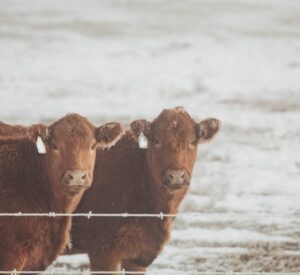
Traitez-la comme une vache : élevez des génisses fertiles et rentables
Élever des génisses fertiles et rentables commence par un développement adéquat avant la reproduction, en mettant l’accent sur la nutrition, la santé et la croissance afin de s’assurer qu’elles atteignent leur poids cible et leur puberté à temps. Cet article met l’accent sur la gestion stratégique et la surveillance afin d’améliorer les taux de conception, la longévité et le rendement global des investissements.
#8
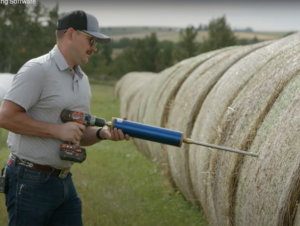
Analyse des aliments : un outil pour obtenir de meilleurs rendements
Les analyses alimentaires aident les producteurs à connaître la teneur réelle en nutriments de leur fourrage et de leurs aliments pour animaux, ce qui leur permet d’équilibrer les rations avec précision et d’éviter des pertes coûteuses liées à la performance. Cet article montre comment cet outil simple et peu coûteux peut améliorer la santé, l’efficacité et la rentabilité globale du troupeau.
#7
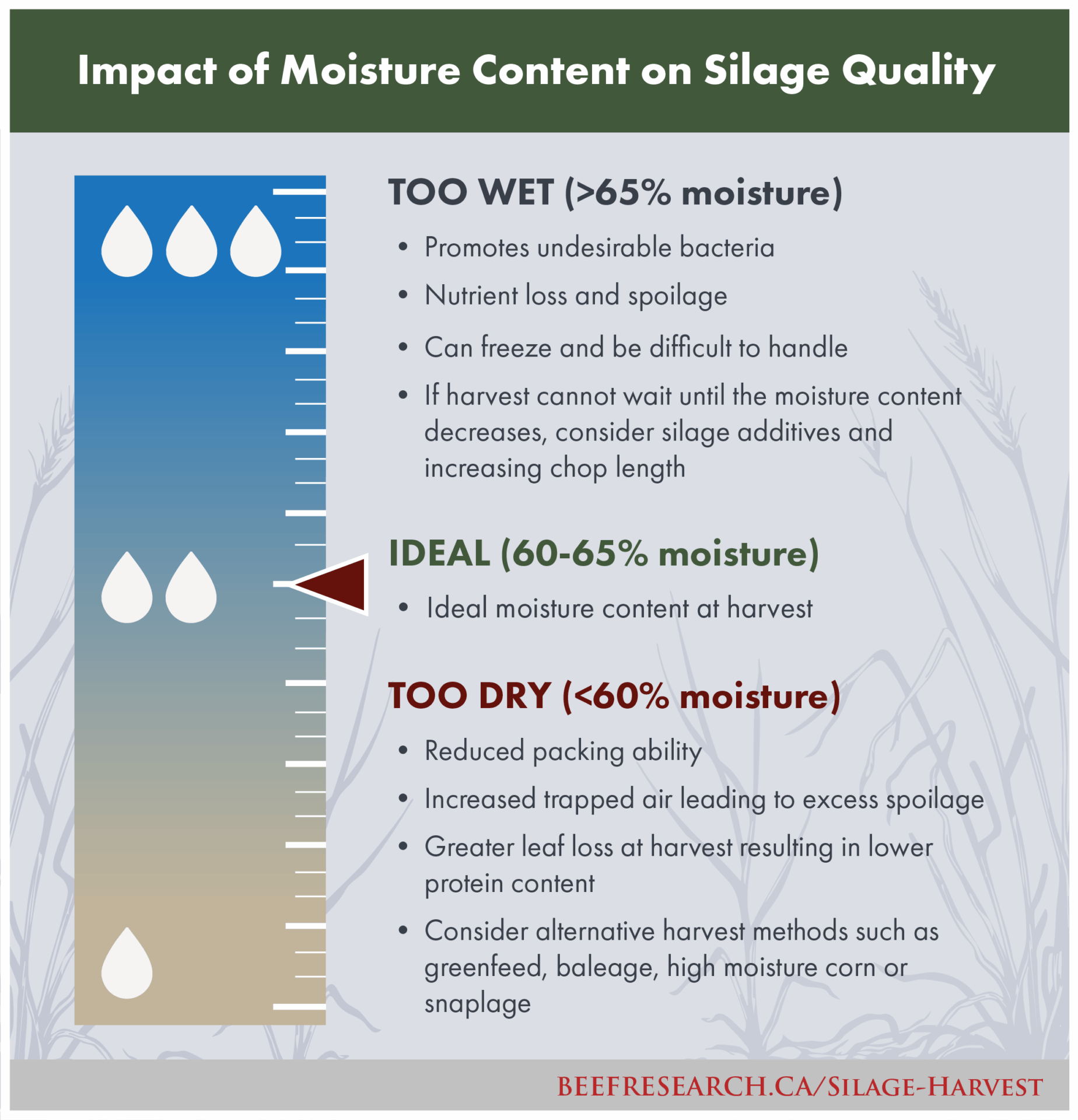
Production d’ensilage : Pratiques bénéfiques pour préserver la qualité du fourrage
Des pratiques d’ensilage appropriées, telles qu’une récolte effectuée au bon moment, un compactage adéquat et une fermeture hermétique, sont essentielles pour préserver la qualité du fourrage et prévenir sa détérioration. Cet article souligne que le souci du détail lors de l’ensilage peut réduire les pertes de nutriments, améliorer la valeur fourragère et stimuler la performance et la rentabilité globales du troupeau.
#6
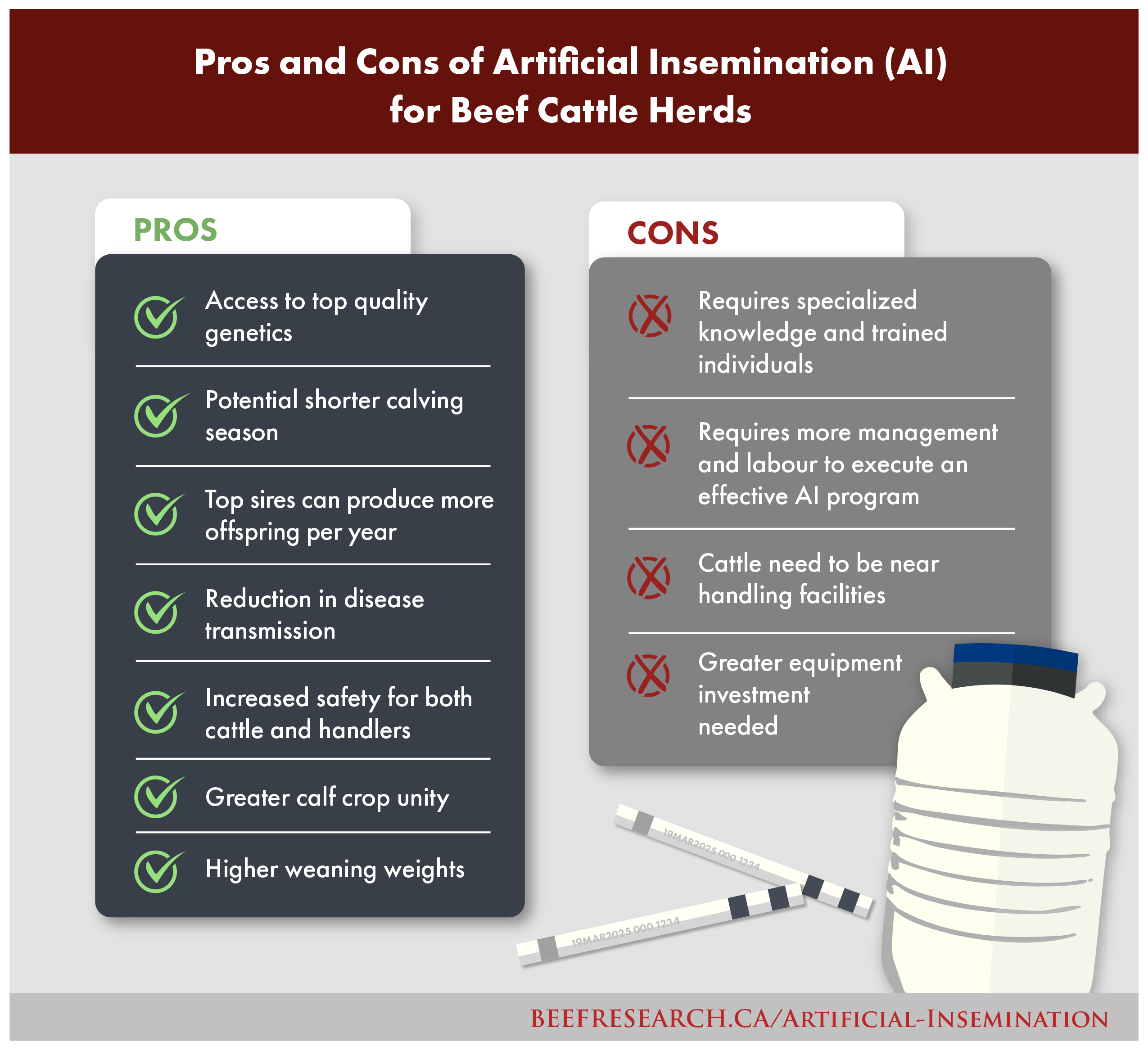
Améliorer la génétique du troupeau : l’insémination artificielle apporte de grands avantages aux petits troupeaux de bovins
L’insémination artificielle permet aux petits troupeaux de bovins de boucherie d’accéder à une génétique de pointe sans avoir à supporter le coût lié à la possession de plusieurs taureaux, ce qui améliore la qualité et la compétitivité du troupeau. Cet article souligne des avantages tels qu’une plus grande uniformité, des saisons de vêlage plus courtes et un risque réduit de maladies. Nous explorons des outils modernes, tels que les protocoles de synchronisation et le sperme sexé, qui peuvent rendre la reproduction plus efficace et plus stratégique.
#5
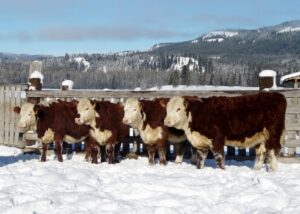
Sélection des génisses de remplacement : augmenter la longévité et le retour sur investissement
Il est essentiel de sélectionner des génisses de relève robustes pour assurer la rentabilité à long terme, car l’élevage des génisses est un processus coûteux et le retour sur investissement prend souvent entre cinq et sept ans. Se concentrer sur des caractéristiques telles que la solidité structurelle, le tempérament et la performance maternelle contribue à améliorer la longévité des vaches et maximise le retour sur investissement, comme le démontrent les deux exploitations bovines canadiennes présentées dans cet article populaire.
#4
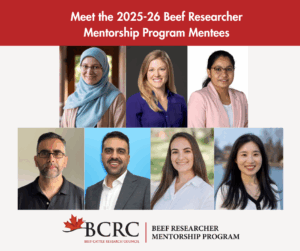
From Lab to Pasture — Industry Mentorship Shaping The Next Generation of Beef Research (Remarque : cette page web n’est actuellement disponible qu’en anglais)
Cet article a annoncé les participants au Programme de mentorat pour chercheurs 2025-2026. Le programme jumelle des chercheurs en début de carrière avec des leaders chevronnés de l’industrie afin de garantir que les découvertes scientifiques, allant du développement de vaccins à la réduction des gaz à effet de serre, soient fondées sur des applications pratiques qui profitent aux producteurs de bœuf canadiens.
#3
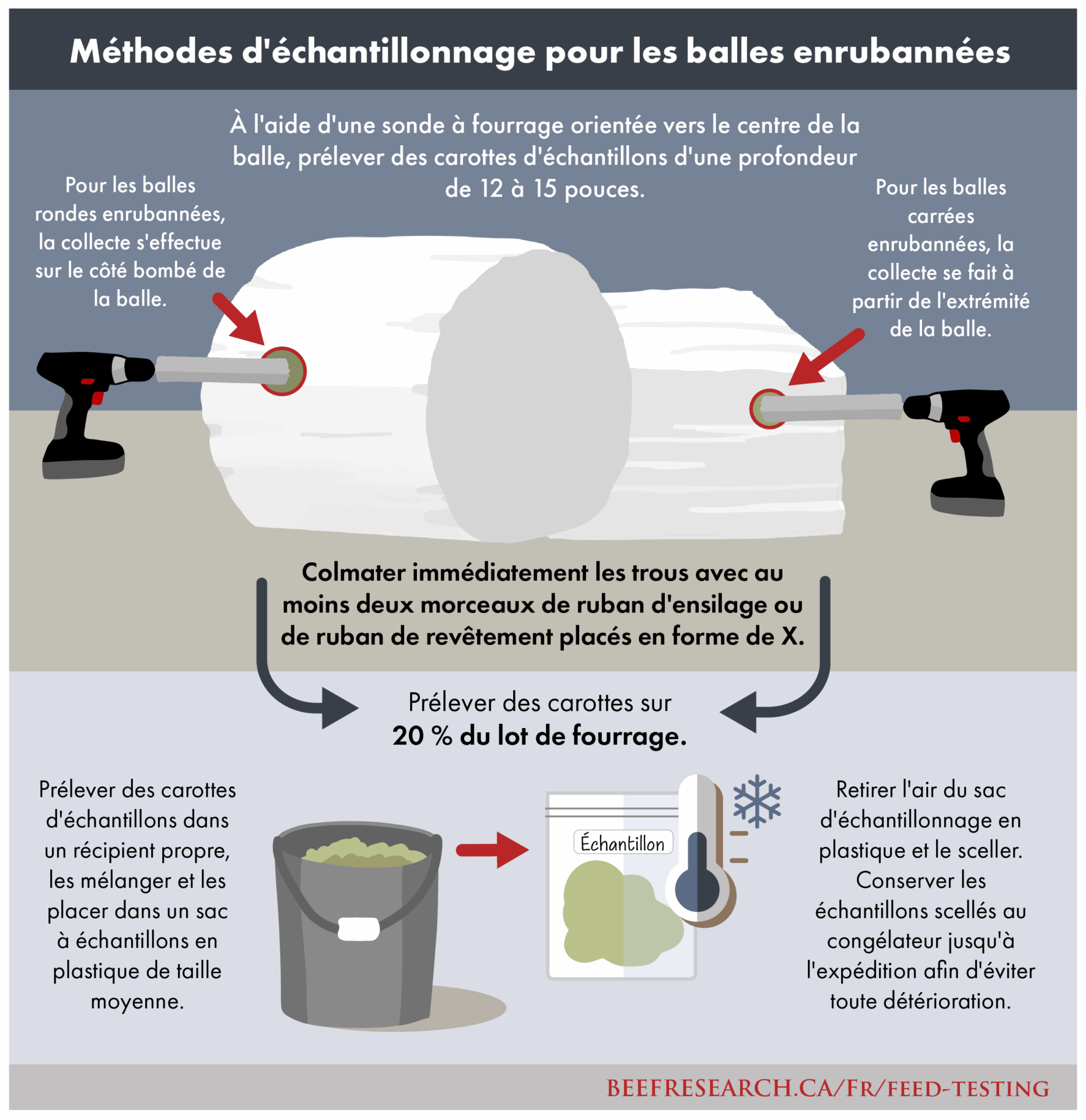
Ne prenez pas de risques avec la qualité du fourrage : nourrissez vos animaux selon un plan bien établi
Il est essentiel de tester la qualité du fourrage avant de le distribuer afin d’éviter les carences nutritionnelles qui peuvent nuire à la santé et à la productivité des bovins. Cet article met l’accent sur la planification des rations en se basant sur l’analyse réelle des aliments plutôt que sur des suppositions, aidant ainsi les producteurs à optimiser les performances et à réduire les surprises coûteuses.
#2
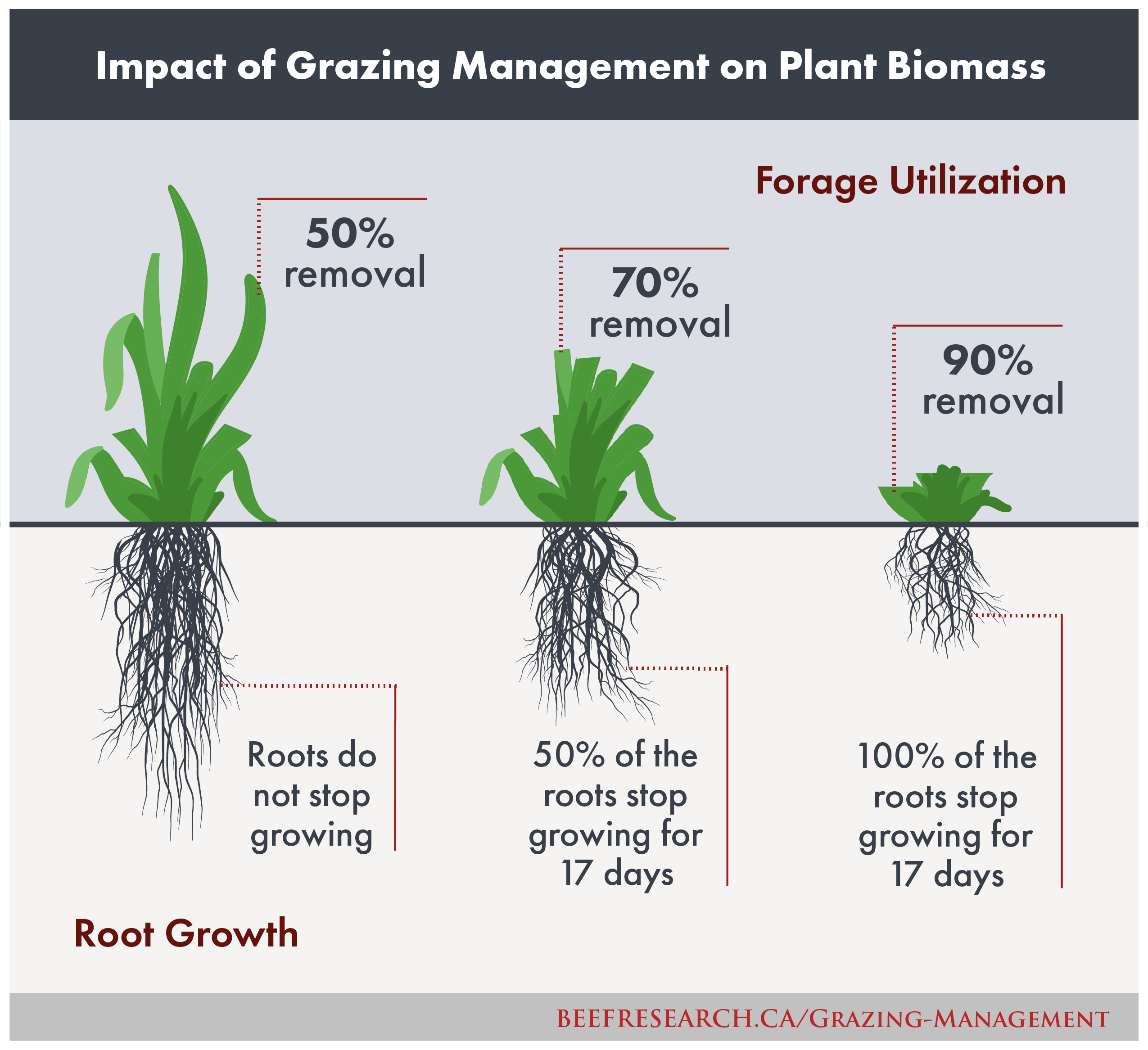
Icebergs et fourrages indigènes – ce que vous ne voyez pas peut vous faire couler
Les pâturages fourragers indigènes peuvent masquer des problèmes tels qu’une faible productivité ou une mauvaise composition taxinomique, qui réduisent l’efficacité du pâturage et la rentabilité. Cet article du BCRC souligne la nécessité d’un suivi et d’une gestion réguliers pour maintenir des communautés végétales saines et prévenir des déclins coûteux de la qualité fourragère.
#1
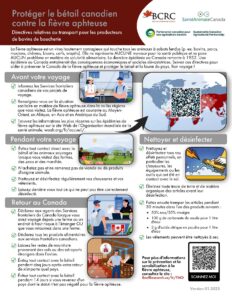
Prévenez la fièvre aphteuse : Soyez vigilants en voyage
La fièvre aphteuse est un virus hautement contagieux qui touche le bétail et qui pourrait dévaster l’industrie bovine canadienne s’il était introduit au pays. Cet article exhorte les voyageurs et les producteurs à respecter des mesures de biosécurité bénéfiques, telles que le nettoyage des chaussures, l’évitement de tout contact avec du bétail étranger et la déclaration des visites à des fermes, afin d’empêcher l’introduction de la fièvre aphteuse et de protéger la santé du cheptel et le commerce canadiens.
Plus de contenu populaire du BCRC
- Épisode le plus populaire du Canadian Beef Cattle Podcast de 2025 : Proper Management Key to Minimize Risk of Calf Scours (disponible en anglais seulement)
- Webinaire le plus populaire de 2025 : Foot and Mouth Disease – Don’t be a Richard (Remarque : cette page web n’est actuellement disponible qu’en anglais.)
- Résumé de recherche le plus populaire de 2025 : A Better Vaccine for Bovine TB (Remarque : cette page web n’est actuellement disponible qu’en anglais.)
- Vidéo la plus populaire de 2025 : How To Stop the Spread of Foot and Mouth Disease in Livestock (disponible en anglais seulement)
- Outil de décision le plus populaire de 2025 : L’outil pour évaluer les résultats des tests sur les aliments pour animaux du BCRC
- Page de sujet la plus populaire de 2025 : Biosécurité
L’équipe du BCRC prévoit de mettre à disposition des ressources fondées sur la science encore plus pratiques pour les producteurs de boeuf au cours de la nouvelle année. Faites-nous part dans les commentaires ci-dessous des sujets et des outils que vous aimeriez voir en 2026.
Cliquez ici pour voir les articles les plus populaires de 2021, 2022, 2023 et 2024.
Le partage ou la réimpression des publications du BCRC sont les bienvenus et sont encouragés. Veuillez mentionner le Beef Cattle Research Council, fournir l’adresse du site Web, www.BeefResearch.ca/fr, et nous faire savoir que vous avez choisi de partager l’article en nous envoyant un courriel à [email protected].
Le BCRC est financé par une partie du prélèvement national sur les bovins de boucherie.

Vos questions, commentaires et suggestions sont les bienvenus. Contactez-nous directement ou lancez une discussion publique en publiant vos idées ci-dessous.