The Heat Is On
With many parts of Canada experiencing extreme heat, it is important to remember that beef cattle aren’t able to dissipate heat well and are more susceptible to heat stress. Depending on relative humidity, cattle can begin experiencing heat stress at temperatures around 26oC.
Unlike other animals, cattle do not sweat as efficiently, and the rumen produces a lot of heat through the process of fermentation. Therefore, their body temperature spikes four to six hours after feeding.
Recognizing Heat Stress in Beef Cattle
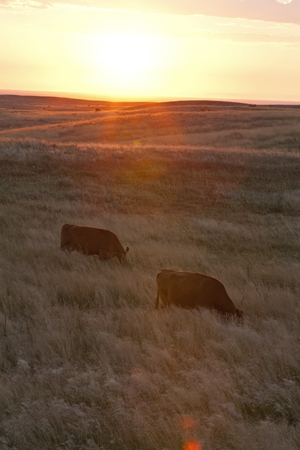
When temperatures are high, beef producers should watch cattle closely for signs of heat stress, including:
- excessive respiratory rate and panting, progressing to open-mouth breathing and eventually weak, shallow breathing
- seeking shade or standing water
- bunching together
- dullness or depression
- stumbling or appearing weak when walking
If left unmanaged, heat stress can result in reduced feed intake and average daily gain. It also can lead to secondary problems such as acidosis or illness when cattle go off feed. In severe cases, death may occur.
Heat stress can reduce bull activity and alter the way cows show signs of estrous, potentially resulting in a prolonged breeding season. Together, these effects can result in significant production and economic losses for beef producers, making it essential to recognize the early signs of heat stress and take steps to reduce its impact.
Minimizing Heat Stress in Beef Cattle
The risk or effects of heat stress may be reduced by the following:
- Ensure access to clean water. An animal’s water requirements increase as the weather gets warmer. For example, yearlings will increase water consumption from 55 to 78 litres when temperatures rise from 26oC to 32oC. Clean waterers encourage cattle to continue to drink.
- Provide access to shade.
- Avoid handling or working cattle, especially during the day.
- Adjust feeding times and amounts. It is recommended that in hot temperatures animals are fed 70% of their feed two to four hours after the peak ambient temperature and that the dietary energy content is reduced by 5-7%.
- Move cattle to new pastures in the evening.
- Consider rotating through grazing pastures more frequently. Tall grass tends to be cooler and provides cattle with access to more highly fermentable forages, which reduce the heat of fermentation in the rumen.
- Ensure access to salt and mineral.
- Avoid transporting cattle when possible. If you must, reduce loading density, load later in the day, and do not leave cattle loaded in a stationary trailer any longer than necessary.
- Provide proper fly control.
- Keep a closer eye on the sick pen. Like all forms of stress, animals that are sick, weak or otherwise compromised are less likely to cope with heat stress.
Implementing these tips may help mitigate the costly effects of hot weather. The following resources provide additional information about heat stress in cattle and developing management strategies to help your cattle perform better in the summer heat.
Understanding heat stress in cattle
- Managing Heat Stress in Fed Beef Cattle (Ontario Ministry of Agriculture, Food and Agribusiness)
- Minimizing Heat Stress in Beef Cattle (Alberta Government)
- Protecting Beef Cattle from Extreme Heat and Cold (Canadian Cattlemen The Beef Magazine)
heat stress in feedlot cattle
- Understanding, Identifying and Managing Heat Stress in Beef Cattle (Western Canadian Feedlot Management School)
- Managing Heat Stress in Feedlot Cattle (University of Minnesota)
- Heat Stress in Livestock (Beef Magazine)
Guidelines for transporting animals in heat
- Protecting Animals During Transport in Hot and Humid Weather (Canadian Food Inspection Agency)
- Recommended Code of Practice for the Care and Handling of Farm Animals – Transportation (National Farm Animal Care Council)
Watering systems
- Water Management for Beef Cattle (BCRC webpage)
- Water Systems Calculator (BCRC decision tool)
- Drought Management Strategies (BCRC webpage)
Sharing or reprinting BCRC posts is welcome and encouraged. Please credit the Beef Cattle Research Council, provide the website address, www.BeefResearch.ca, and let us know you have chosen to share the article by emailing us at info@beefresearch.ca.
The BCRC is funded by a portion of the Canadian Beef Cattle Check-Off.

Your questions, comments and suggestions are welcome. Contact us directly or spark a public discussion by posting your thoughts below.