Meet the Council: Three Producers, Three Approaches, Shared Commitment to Canadian Beef
The Beef Cattle Research Council (BCRC) is composed of producer members from across Canada, appointed by each of the provincial beef organizations that allocate part of the Canadian Beef Cattle Check-Off to research. The number of members from each province is proportional to the amount of provincial check-off allocated to research.
The following is part of a series introducing you to this group of innovative thinkers. These producers set the BCRC’s direction by sharing practices, strategies or technologies they have integrated into their own operations.
Canadian beef producers bring different experiences, priorities and approaches to raising and marketing cattle, but share a common commitment to building a strong, sustainable beef industry. Meet these three Beef Cattle Research Council members and learn how they’re making their mark.
Building Functional Cattle and Sharing the Story of Beef

Kailey Wirsta – Elk Point, Alberta
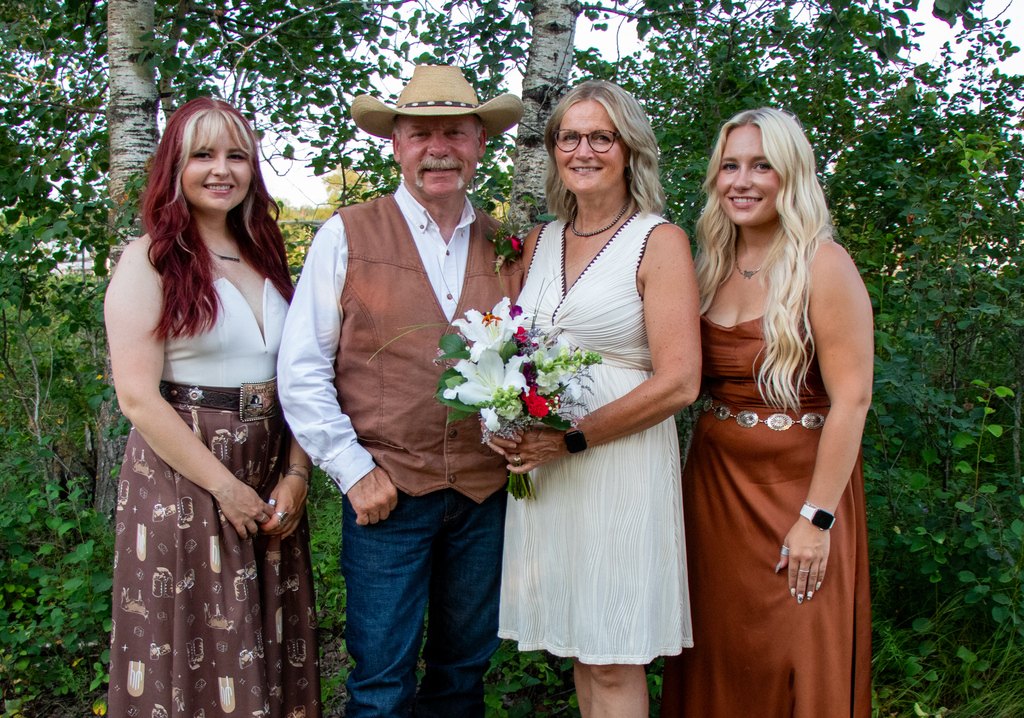
Kailey Wirsta and her family operate K-Cow Ranch near Elk Point, Alberta, a 300-head purebred cow-calf and VBP+ Certified operation raising Hereford, Charolais and Black Angus cattle. The ranch markets purebred bulls and a select group of open heifers through its annual bull sale, held the third Saturday of March, as well as bred heifers and heifer calves through its annual fall female sale in October.
“We are passionate about producing cattle that are functional, profitable and built to succeed both in the pasture and the show ring,” Kailey says.
Kailey grew up on the ranch and has been involved in agriculture her entire life. Through 4-H, livestock judging and her work in agricultural marketing and communications, she has developed an interest in both the technical side of cattle production and telling the story of Canadian agriculture.
The ranch’s production year follows a cycle of calving, breeding, pasture management and preparing cattle for sale. Fall calving takes place in September and October, followed by winter calving from January through March. Breeding takes place in April, while the summer months focus on pasture management, forage production and preparing show cattle for fall shows.
CONTINUED HERD IMPROVEMENT
K-Cow Ranch focuses on producing cattle that are productive and marketable, with genetics that can work for both purebred and commercial producers.
“We really try to select for the whole package,” Kailey says. “Soundness and structural correctness are extremely important to us, particularly good feet and legs.”
The ranch also selects for udder quality and teat size in females, along with fertility, longevity, calving ease, birth weight, growth and performance, maternal ability, disposition and breed character. At the end of the day, functionality is the priority. For bulls in particular, K-Cow Ranch looks for sound, athletic and easy-doing cattle.
Selection decisions are based on a combination of visual appraisal, performance data, expected progeny differences (EPDs) and genetic testing. EPDs are an important tool, but they are considered alongside other information rather than being the sole deciding factor. The ranch collects weights throughout different stages of production and maintains detailed records on its purebred cattle, using a combination of Google Sheets, Excel and printed barn records to track breeding, calving and individual animal information.
“Having detailed records is really important to us, especially with the purebred cattle,” Kailey says. “It allows us to follow each animal from birth onward and gives us another layer of information to use alongside what we’re seeing phenotypically when we make breeding, selection and marketing decisions.”
Selection is an ongoing process as cattle grow and develop. Animals that fall behind or do not meet expectations for conformation and structure are not selected for the sale.
There are also final checkpoints before cattle are offered to customers. Every bull must pass a semen test, while sale females are palpated before being offered. Animals that do not meet these reproductive or functional requirements are removed from the sale group.
The focus on continual improvement also reflects Wirsta’s approach to managing the herd in an unpredictable industry. With changing weather, input costs and markets, selecting cattle that are sound, adaptable and able to perform is an important part of building a resilient herd. By combining performance data, genetics and hands-on evaluation, K-Cow Ranch works to make informed decisions that support the herd’s long-term productivity.
SHARING THE STORY OF BEEF
In addition to Kailey’s involvement on the ranch, her work in agriculture extends beyond the farm gate. She manages social media and engagement efforts and serves as chair of the Stoney Lake Community Association. Through agricultural marketing and communications, she is passionate about sharing the stories of producers and helping bridge the gap between agriculture and the public.
For Kailey, communication is an important part of building a stronger future for the beef industry. Sharing authentic stories about agriculture can help consumers better understand where their food comes from, while also giving producers a voice in conversations about the industry.
“I believe there are incredible opportunities in the Canadian beef industry through continued research, genetic improvement and effective communication with consumers,” Kailey says.
As a member of the BCRC, Kailey sees an opportunity to contribute to research and innovation that can provide practical benefits for producers across Canada. By bringing together her experience in cattle production, interest in genetic improvement and passion for communication, she hopes to help build a stronger beef industry.
From Cow-Calf to Consumer

Nick Martin – Manitoulin Island, Ontario
For Nick Martin, producing beef does not stop at weaning. Along with his wife Emily, brother Alex and parents Jim and Birgit, Nick operates Pure Island Beef on Western Manitoulin Island, Ontario, where a cow-calf to finish model and direct marketing program has shaped how the farm manages its cattle, crops and pastures.
The Martins run approximately 350 Angus and Shorthorn cows, with some purebred bulls and F1 females marketed as breeding stock. The remainder of the cattle are finished, and a number are sold directly to consumers through the Pure Island Beef program. Additional cattle are brought in to finish and/or background.
The integrated cow-calf to finish model gives the Martins full control of the production story they share with customers. They offer two lines of beef, grass-fed and grain-fed. Most of the feed used on the operation is grown on the farm, another part of the story that resonates with their customers.
The farm’s direct marketing program has influenced how the Martins manage their calving seasons. With customers expecting a year-round supply of beef, the family spreads calving across their different farms on the Island. One group calves in March, another in the fall, and the bulk of the herd calves in May and June. Over time, they are moving more of the calving towards the spring and away from winter, as Nick has found that the May and early-June calving season has resulted in fewer calving related issues, with more cows able to calve on grass.
MAKING THE MOST OF EVERY ACRE
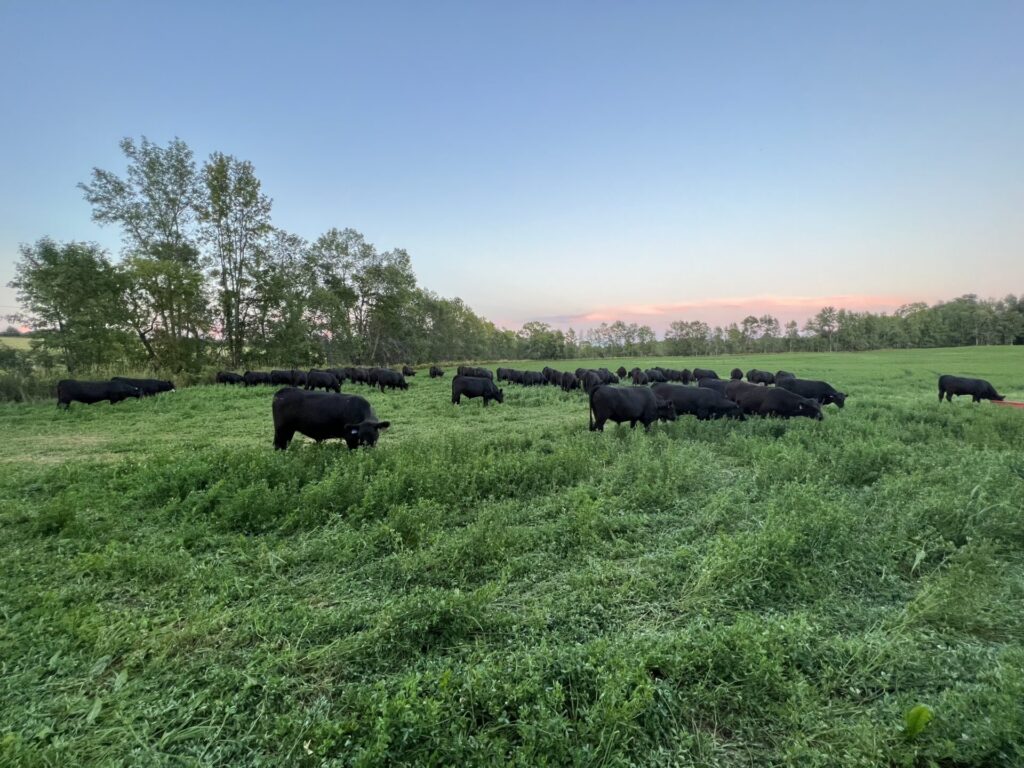
The Martins have a diverse land base to work with. Much of the land is marginal, making grazing an important part of the farm’s management strategy. Nearly all the farm’s pastures are rotationally grazed. They aim for at least six months of grazing each year and push for seven months when conditions allow. They look for opportunities to extend grazing and make use of crops and crop residue that might otherwise go unused. Several hundred acres of wheat are frost seeded with red clover, which provides another grazing option in the fall.
“If we get pretty wet late October, the cows really punch it up,” Nick says. “So, what we’ll usually try and do is pull cattle off grass and put them onto that red clover ground if conditions allow.”
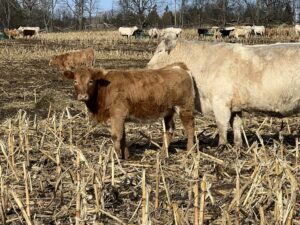
Nick shares that they also graze their crop stubble whenever possible. Cows are turned onto combined corn stalks, wheat ground and spring cereal regrowth, sometimes for only a day or two, making use of whatever feed remains or returns after harvest.
“We just try not to waste any of the stubble ground, if possible,” Nick says.
The approach is part of a broader effort to make the most of the land base. The Martins are also experimenting with establishing rye in standing corn by broadcasting it with a nitrogen application. They have also installed a solar-powered watering system on pasture. With one system currently in place, they plan to add more. Virtual fencing is another innovation on the horizon. The farm is preparing to test GPS collars on cattle next grazing season, with the goal of using the technology to better utilize large areas of pasture that are not currently economical to subdivide with fencing.
A DIVERSE AND INTEGRATED SYSTEM
The Martins’ cow-calf to consumer business is a diverse and integrated operation, with cropping and cattle enterprises complementing one another to support the direct marketing model.
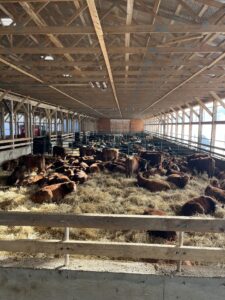
“The diversification on our farm has really helped mitigate that risk,” says Nick.
They continue to adapt their management based on what they learn. As more cattle moved to grass-based spring calving, they adjusted their breeding decisions to reduce milk production while maintaining strong weaning weights.
For Nick and Pure Island Beef, innovation on the farm isn’t necessarily about adopting the newest technology. It is often about finding practical ways to make improved and sustainable use of the resources already available. Whether that means grazing crop stubble, extending the grazing season with red clover, testing crop varieties or finding new ways to manage large areas of pasture.
The land, cattle and customers are all important parts of the operation and help shape how the Martins approach their farm.
Building Quality Replacements

Phil Hamar – Entwistle, Alberta
Phil Hamar is the owner and operator of Lazy H Ranch, a fourth-generation ranch located near Entwistle, Alberta. Established in 1929, the ranch has nearly a century of history behind it. Today, Phil and his wife Cynthia continue that legacy while incorporating new technologies, research and management practices.
A large part of Lazy H Ranch is developing high-quality replacement heifers through its custom background feeding program. The ranch develops both retained and custom purchased heifers, with the goal of producing and developing animals that become productive cows.
At weaning, Phil selects the top heifers to retain and then works with a nutritionist to test all the feed. Based on feed test results, he develops a specific program to manage growth and frame development. The goal is not simply to grow heifers quickly, but to develop functional replacements that will perform well over the long term.
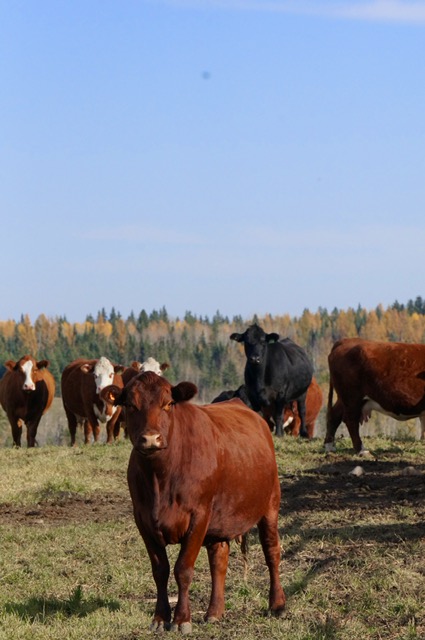
The heifers are routinely handled throughout the development process. They are supplemented by bucket feeding, which helps keep them calm and accustomed to handling. In addition, approximately once a month, the heifers are run through the handling systems and weighed.
“They are run through once a month to weigh and get them used to the alleys and chutes,” Phil explains. “So, when we do artificially inseminate (AI) them, it’s just a low-stress, quick, easy process.”
Heifers are synchronized and bred by AI during a two-week breeding window in mid-May. At the end of August, the heifers are pregnancy tested and those that are open are removed from the program. This strategic approach has helped Lazy H Ranch build a strong reputation for its replacement heifers, with repeat customers and word of mouth driving demand.
The ranch also maintains a naturally bred cow herd. Bulls are turned out June 1 and pulled about 60 days later, with calving beginning in March.
MAKING THE MOST OF RANCH RESOURCES
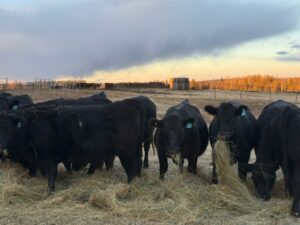
Pasture management is another important part of the ranch’s approach. Cattle are rotationally grazed from June until they come home from pasture in October. Depending on the season and conditions, cattle may be moved approximately once a week.
The ranch also produces its own feed. As some of the fields are a considerable distance from the main operation, Phil individually wraps hay bales to help maintain feed quality and a bale shredder allows the ranch to efficiently feed those bales through the winter months.
Phil also places a strong emphasis on mineral nutrition. The ranch focuses on sourcing and feeding quality chelated minerals. While they require a greater up-front investment, Phil says the cattle consume less mineral and he has seen positive results in herd health.
BALANCING A RANCHING LEGACY WITH INNOVATION
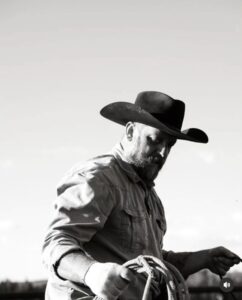
Like many cattle producers, Phil is navigating high input costs and labour challenges. These pressures make risk management an important part of running the ranch.
“You have to be able to assess your own risk and stick within that threshold,” Phil says.
At the same time, Phil keeps an eye on new technologies that could help improve efficiency or provide producers with more information to support data-based decision-making. He is watching developments in virtual fencing, collars and ear tags that can track biometrics, record-keeping systems that fit their operation and continuous plant breeding that is relevant to their region.
For Phil, being interested in innovation doesn’t mean adopting every new technology. It means understanding what is available and considering whether it is feasible and sustainable for their specific outfit. This perspective is also part of what Phil brings to the BCRC producer council.
Sharing or reprinting BCRC articles is welcome and encouraged. Please credit the Beef Cattle Research Council, provide the website address, www.BeefResearch.ca, and let us know you have chosen to share the article by emailing us at info@beefresearch.ca.
The BCRC is funded by a portion of the Canadian Beef Cattle Check-Off.

Your questions, comments and suggestions are welcome. Contact us directly or spark a public discussion by posting your thoughts below.