This dictionary contains a selection of the beef and forage terms and phrases you may encounter on BeefResearch.ca with brief descriptions. It is not a comprehensive beef industry resource, but rather a compilation of the existing Beef Cattle Genetics and Beef Cattle Nutrition dictionaries.
Click on the first letter of the term you are searching to jump to that section:
A B C D E F G H I J K L M N O P Q R S T U V W X Y Z
A
Acid detergent fibre (ADF): A measure of the least digestible portions of a plant (i.e., cellulose, lignin). As ADF levels increase, the digestibility of the forage decreases along with voluntary intake. High-quality legumes will typically have ADF values between 20-35%, while grass can range from 30-45%.
Acid detergent insoluble nitrogen (ADIN): Also referred to as acid detergent insoluble protein, acid detergent insoluble crude protein (ADICP), acid detergent fibre protein, insoluble protein or bound protein. ADIN is a measure of heat damage during harvest and storage that can bind protein and make it unavailable to cattle. Feeds can contain 3-8% ADIN even without heating.
Ad libitum: The amount of feed an animal consumes when it has free access to adequate feed and can eat as much as it wants.
Alternative feeds: Non-conventional feeds that can be used to supplement or improve beef cattle diets. This can include crop residues, damaged crops, processing by-products, fruit, vegetable and bakery waste, off-grade grains and even weeds.
Amino acid (AA): Nitrogen-containing molecules that are the building blocks used to create and maintain protein in the body.
Animal ID: This allows you to identify and track individual animals. Genetically, this is an important record to keep as it allows you to track the history of that animal (i.e. parentage and beyond) as well as associate performance and treatment records to a specific animal to make more informed breeding and management decisions. Animal ID is typically done two ways, with a farm ID in the form of an ear or brisket tag and a CCIA RFID tag (which can be linked to the farm ID in your personal records).
Antagonists: Compounds or minerals that interfere with the absorption or utilization of essential trace minerals, such as copper, zinc, manganese and selenium. Even when cattle consume adequate minerals, antagonists can prevent those nutrients from reaching an animal. These interactions can take place in the digestive tract or at the site of metabolism. Common mineral antagonists include molybdenum, sulfur and iron.
As-fed basis: Describes a feed’s nutrient content in the form cattle actually consume it, including the water it contains. This measurement reflects the amount of feed delivered or consumed, not just the dry matter portion. As-fed values help determine how much feed must be delivered or consumed, while dry matter values should be used when evaluating nutrient concentrations against animal requirements.
Ash: The inorganic (mineral) component found within plants and reported as a percentage. In a forage sample, ash can also come from external sources such as soil or bedding. Excessive ash content (i.e., >5% for corn silage, >8% for alfalfa, >6% for grasses and >10% for legumes) can indicate external (i.e., soil or bedding) contamination in the sample.
Average daily gain (ADG): Also referred to as growth rate, average daily gain is the average amount of weight an animal gains each day. It is calculated by taking the amount of weight gained (lbs or kg) and dividing that by the number of days that weight gain was accumulated. As a record, ADG can be important to monitor for benchmarking and goal-setting purposes to ensure your cattle are on target for goal weaning, breeding or finishing weights.
B
Balanced ration: A diet supplying nutrients in the current amounts and proportions to meet the specified animal requirements.
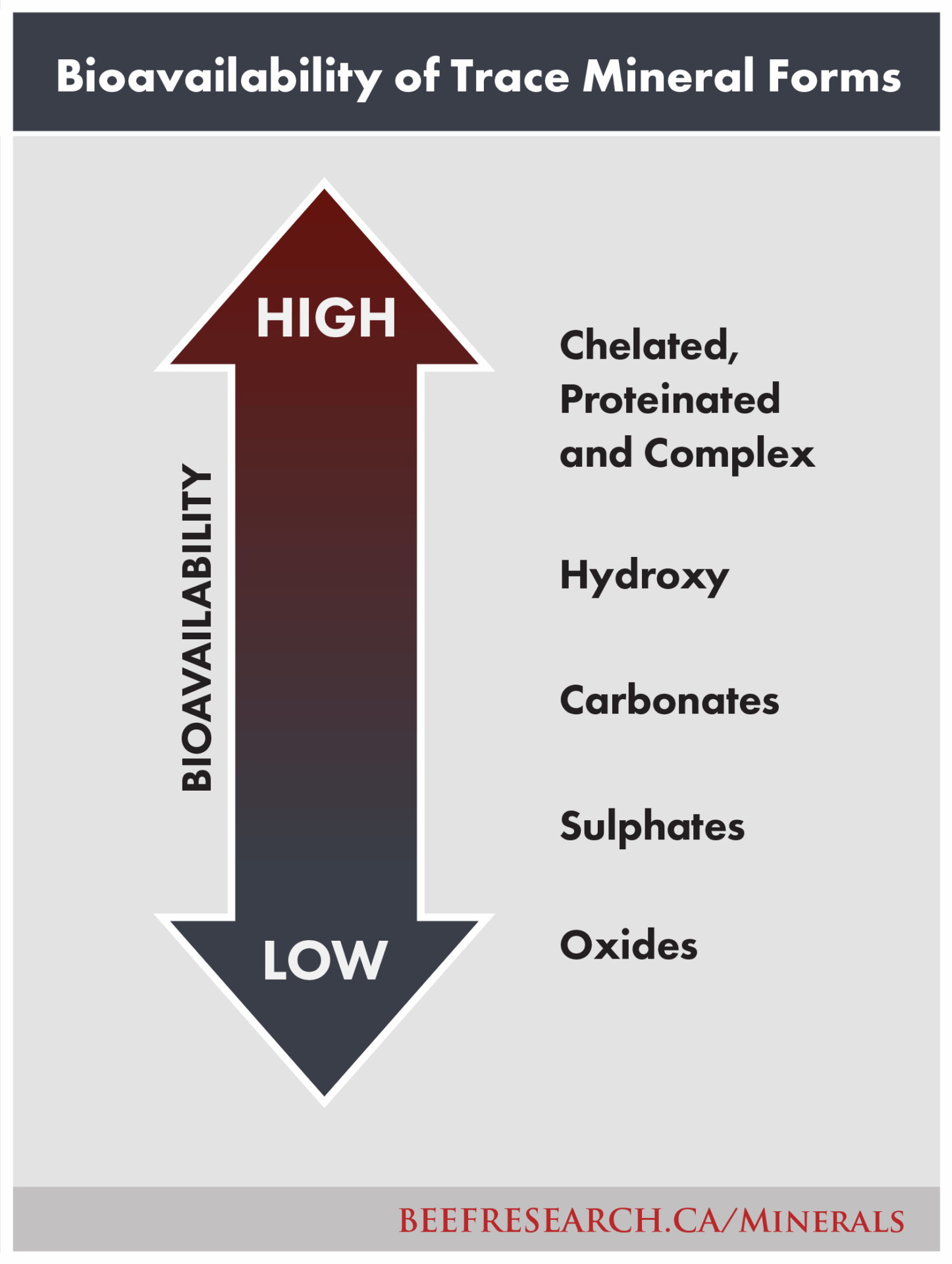
Bioavailability: The proportion of an ingested nutrient that is absorbed from the digestive tract and utilized for metabolic functions. Ruminants have unique absorption rates, making the chemical form of supplements (e.g., minerals, amino acids) critical for overall health, immunity and growth.
Body condition score (BCS): A low-cost, hands-on method to determine the condition (amount of fat cover) cattle have. BCS can be an important metric to monitor and record to help inform nutrition and management decisions throughout the production cycle.
Bull breeding soundness evaluation (BBSE): A standardized assessment of a bull’s likelihood of accomplishing pregnancy during a defined breeding season.
Bull selection: Bull selection is one of the most economically important decisions made on a cattle operation. This refers to choosing a bull that will help to achieve your operation’s goals, whether that be more efficient calves or purebred bulls to sell to commercial clients, there are specific traits each producer is looking for in a new bull.
Breed complementarity: Using two breeds in your breeding program where the genetics of one breed complements the other breed. Example: using a bull breed to pass on growth and desirable carcass traits to breed to crossbred cows which would result in an ideal calf for the feedlot on a cow that has the mothering ability and milk output to raise the rapidly growing offspring.
Breeding objective: The genetic plan for your breeding program that considers management, marketing and environmental factors to meet your breeding goals.
By-products: Materials left over from processing crops, livestock products or bioenergy crops that can often be repurposed as livestock feed.
Bypass protein: See rumen undegradable protein.
C
Calcium (Ca): The most abundant macromineral found in the body; approximately 98% functions as a structural component of bones and teeth. Calcium is also necessary for blood clotting and muscle contraction.
Calf ID: Calf ID is a means of identifying the progeny of your breeding females. This is typically done with ear tags that will allow you to easily identify who their dam (and sometime sire) is along with a personal ID number for farm-level identification. In addition to the calf ID, producers should keep identifying information regarding the calf that can help in the management of than animal (i.e. treatment records, coat colour, sex, calving ease).
Calf performance: Keeping records on the performance of your calves and being able to compare from year to year is a great indicator of genetic progress, tracking your goals and even identifying gaps to set new ones. Calf performance can be measured in numerous ways including, weaning weight, average daily gain, health, vigour, carcass qualities, etc.
Calving ease: This is a trait that can be selected for in bulls. Calving ease is expressed as the probability of a calf being born unassisted or the probability of a heifer having an unassisted calving.
Calving index: This is the average calving interval of all cows (or a group of cows) in a herd at any given time, expressed in days. Knowing this number can allow you to benchmark within your herd and understand which cows are below, above or right on average, which can help to inform culling and replacement decisions.
Calving interval: This is the time (in days) between one calving and the next for the same cow. For beef cattle, the goal is a calving interval of 365 days or less. This record can help producers set goals for their reproductive program rather than a monitoring parameter.
Carcass traits: These are traits that will directly impact the suitability and potential improvements of that animal as beef on the rail. This includes marbling, back fat, rib eye size, tenderness, etc.
Cash cost: Out-of-pocket expenses that are paid in cash and are dependent on production practices and quantities and prices of required inputs (e.g., seed, feed, fertilizer, pesticides, custom services, vet expenses) throughout the production year. Producers might want to know their profit after cash costs are accounted for to estimate available cash at the end of the production period. Some cash costs vary depending on production, land area and number of head, and others may be fixed like insurance, licensing and taxes.
Cellulose: A fibrous carbohydrate that is the main part of plant cell walls.
Chelated trace mineral: A compound formed between an organic molecule and a mineral that increases mineral absorption by an animal, which can reduce excretion of excess minerals in manure.
Chloride (Cl): A macromineral typically supplemented through salt. Works with sodium (Na) to maintain acidity in bodily fluids and pressure in body cells. Cattle should always have access to a source of salt.
Cobalt (Co): An essential micromineral (trace mineral) necessary for synthesis of B12 by microorganisms in the rumen.
Conformation and conformation issues: Proper conformation is a key element when selecting replacement bulls and heifers. These are desirable and undesirable skeletal and muscular structures of an animal, meaning how they are built and how they carry themselves. This includes proper hoof structure, pastern angle, hind and front leg structure and hip structure, in addition to teat and udder shape and proportionality. Basic conformation (i.e., having good legs and feet) are indicators that that animal can remain sound in the herd for longer. Any sort of indication of bad conformation should be culled from the herd to avoid retaining those genetics and impacting the longevity of breeding animals in your herd. Animals with correct conformation are better able to survive in a pasture-based system and perform the functions needed to be bred, calve and raise that calf.
Copper (Cu): An essential micromineral (trace mineral) necessary for immune function, fertility, fetal development and bone growth.
Cow performance: Keeping records on cow performance to compare from year to year is important to track genetic progress as well as tracking and identifying goals for your operation. Cow performance can include calving interval, body condition scoring, calving ease, temperament, foot and udder scores as well as the quality of calf (e.g., percentage of body weight weaned) she has raised. Understanding individual cow performance allows identification of top and bottom performers which allows producers to make informed breeding and culling decisions to streamline the achievement of goals.
Crossbreeding: Breeding cattle of different breeds together to capture the production benefits from breed complementarity and hybrid vigour. See Terminal Crossing, Two-Way Rotation and Three-Way Rotation for specific crossbreeding examples.
Crude fat: The nutrient portion of a feed comprised of fats, oils and other compounds that can be extracted using a chemical called ether. Fats and oils contain 2.25 times the energy found in carbohydrates and proteins. They can be added to rations to increase energy concentration when feed intake is limited.
Crude protein (CP): Is an estimate of the total protein content of a feed. Crude protein includes true protein and non-protein nitrogen sources such as ammonia, amino acids and nitrates. Protein digestibility can vary, and proteins may be bound to indigestible forms (e.g., heat damaged proteins).
Culling traits: These are traits that will help determine objectively which animals should be culled from the breeding herd. Having a clear definition and boundary for what will be kept and what will be culled based on genetics and performance allows desirable traits in your herd to be exaggerated by removing what is undesirable.
D
Digestibility: The percentage of a nutrient that is absorbed rather than excreted.
Digestible energy (DE): The portion of energy an animal can digest with the help of the rumen microbes.
Degradable intake protein (DIP): See rumen degradable protein.
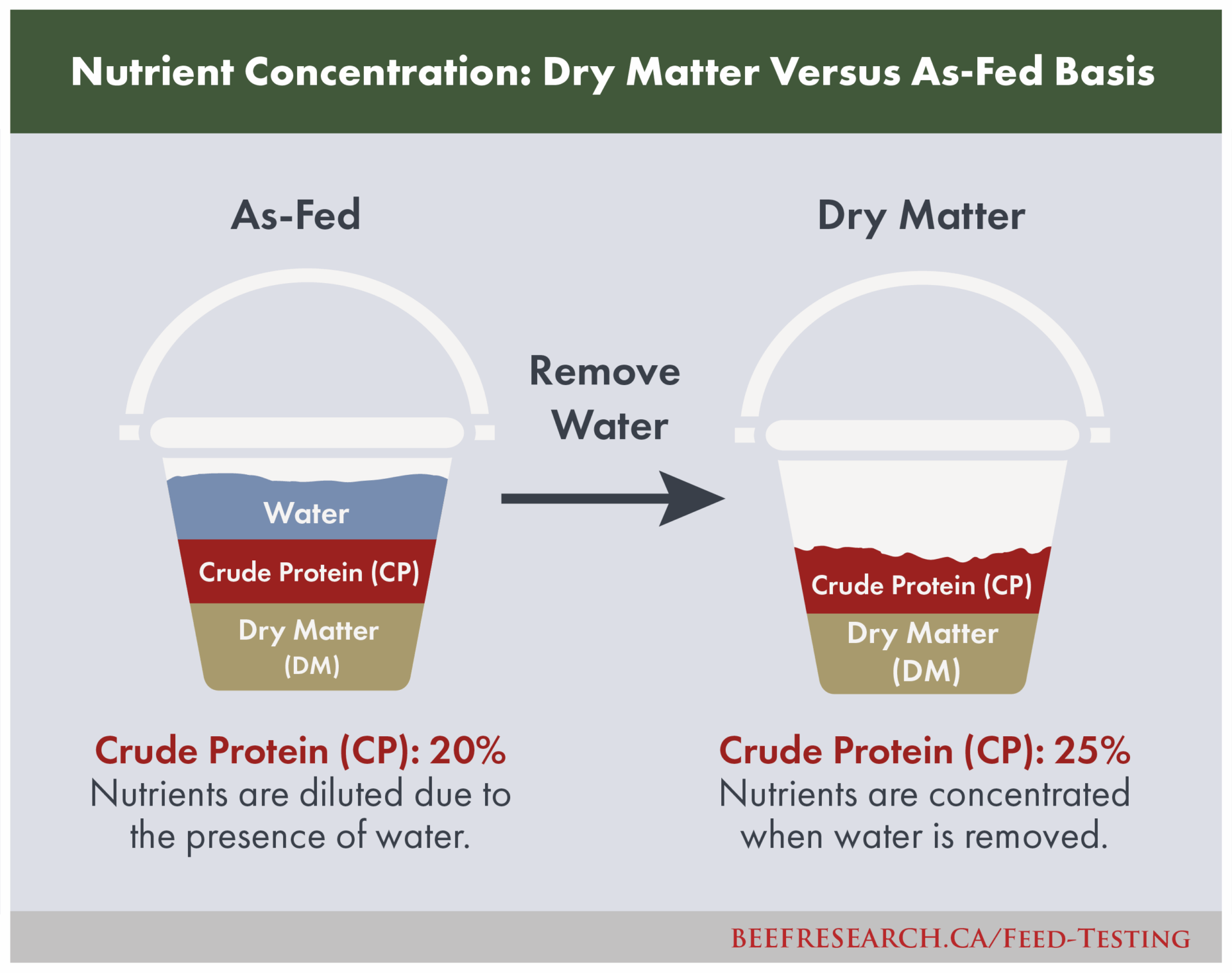
Dry matter (DM): The moisture-free content of a feed sample. The water content of forage will dilute nutrients. Therefore, it’s important to balance all rations on a dry matter basis. The daily intake of mature beef cattle will be 1.75%-2.5% of body weight on a dry matter basis. Moisture contents outside of expected ranges can indicate potential spoilage issues. The average dry matter of hay is 85-90%, meaning on average hay contains 10-15% water. For silage, average dry matter is 30-45%, meaning in an average year, silage contains 55-70% moisture. This may be less if silage is harvested in drier conditions. Grain has an average dry m
Dry matter intake (DMI): Amount of moisture-free feed or diet consumed. Rations should always be balanced on a dry matter basis.
Dystocia: This is a term to describe an abnormal, slow or difficult calving at any stage of labour. There is a direct negative impact on calves when this occurs (e.g., hypoxia, acidosis, vigour, stillborn) as well as the cow (e.g., trauma, nerve damage causing weakness or paralysis, inflammation of the uterus, prolapses). It is important to record dystocia events as a record in order to indicate when there is a significant increase in dystocia (e.g., new herd bull causing calving issues, nutritional deficiencies or nutrition changes resulting in larger calves) or if there is reoccurring dystocia in a particular cow which may warrant culling or an indication to sell her heifer calves rather than retaining for replacements risking more common dystocia incidences on the farm in the future.
E
Economically relevant traits (ERTs): Traits that are directly associated with a source of revenue or cost.
Efficiency traits: Sometimes confused with growth traits, efficiency traits are used to predict which animals will gain more weight (or the same amount of weight faster) while eating less (or the same amount) of feed as other animals. Typically, efficiency traits are highly heritable, such as dry matter intake (DMI), feed efficiency/feed to gain ratio (F:G) and residual feed intake (RFI).
Ether extract (EE): See crude fat.
Expected progeny differences (EPDs): Estimates the genetic potential of that animal as a parent. At their core, EPDs are the difference between the predicted average performance of an animal’s future progeny and the average performance of the progeny of another animal for specific traits. EPDs can allow you to strategically select bulls for the traits that will aid in achieving your operation’s goals.
f
F1 females or bulls: F1 stands for “first cross” which is the offspring resulting from mating a purebred sire to a purebred dam of another breed resulting in an F1 offspring that is 50% breed A and 50% breed B. Breeding an F1 female or bull will produce an F2 offspring, and crossing that F2 animal will result in an F3 offspring, and so on.
Fat soluble vitamins: Vitamins stored in an animal’s fat reserves or liver, such as A, D, E and K.
Feed additive: A non-nutritive ingredient included in a ration to improve performance or health.
Feed conversion: The weight of dry matter (DM) feed consumed divided by live weight gained. Lower numbers indicate better feed conversion and greater feed efficiency, which can improve profitability.
Feed:gain ration (F:G): A measure of efficiency looking at the weight gain per pound of feed consumed. Also known as the feed conversion ratio (FCR), F:G is a measure of an animal’s efficiency in converting feed nutrients into increased body mass. Lowering the F:G ratio will reduce the cost to finish cattle.
Feed refusal: The amount of feed remaining after an animal has finished eating.
G
Gain:feed ratio (G:F): A measure of efficiency. Greater G:F means that an animal is putting more weight on for each kg or lb of feed consumed.
Gross energy (GE): The total amount of energy in the feed. Not all of this energy is available to an animal, as losses occur through digestion and are excreted as feces, urine, gases and heat.
Growth traits: Traits that are affiliated with increased growth like birth weight and average daily gain (ADG).
H
Health treatment records: These records keep track of treatments and any sort of medically related procedures or tests. When taking these records, the identity of the animal should accompany dates, details, type of treatment, dose, route, frequency and duration of treatment should be kept. These records help to inform antimicrobial stewardship and can also be an indicator of an outbreak if the number of treatments has increased when compared to past years.
Hemicellulose: A carbohydrate found in plant cell walls that is more complex in structure than sugars but less complex than cellulose.
Heritability: is a value between 0 and 1 and measures the genetic influence of a particular trait, without consideration for environmental factors. Reproductive traits tend to have low heritability rates (i.e., low likelihood of passing down the trait genetically, more influenced by environment or management), while growth and carcass traits have higher heritability rates (i.e., higher likelihood of passing down the trait genetically and can select for).
Hybrid vigour (heterosis): An increase in performance seen when crossing two genetically different individuals. Seen as individual heterosis (i.e., increase in production seen in the crossbred offspring, generally an improvement in growth) and maternal heterosis (i.e., increase in calving percent, higher weaning weight, longevity and reproductive traits in crossbred dams compared to straightbred dams).
Hydroxy trace minerals: Hydroxy trace minerals have a crystalline structure that protects them and allows the minerals to bypass rumen digestion, thereby increasing bioavailability.
I
Implant: An implant or growth implant is a small pellet containing natural or synthetic hormones placed under the skin of an animal’s ear. The hormones in the implant work in conjunction with natural hormones to improve growth performance and feed efficiency.
Inbreeding: Mating of parents that have very similar genetics or relatives in common. When inbreeding occurs, the calf is more likely to have two sets of identical genes which can increase the likelihood of expressing recessive genes that negatively impact production.
Inbreeding depression: Reduction in performance due to mating of highly related individuals. It most negatively impacts reproductive traits.
Inorganic minerals: These are the most widely used form in beef cattle supplementation, typically provided as sulfates, oxides or carbonates. These minerals provide the essential trace minerals cattle need at a relatively low cost, making them a practical choice for many beef operations.
Indicator trait: A trait that adds accuracy to the prediction of an economically relevant trait (ERT). These traits have no explicit economic benefit other than its correlation to an ERT.
International unit (IU): A standard unit of potency for biological compounds such as a vitamin, hormone, vaccine or antibiotic.
Iodine (I): Essential micromineral (trace mineral) involved in regulation of energy metabolism in the body. Approximately 70-80% is absorbed from the rumen.
Ionophore: Antimicrobials delivered through cattle feed that improve nutrient availability to an animal and prevent diseases like coccidiosis. There are different types of ionophores, but the most commonly used in Canada is monensin sodium.
Iron (Fe): An essential micromineral (trace mineral) for oxygen transport and utilization.
L
Least-cost formulation: A balanced ration designed to meet animal requirements at minimum cost.
Lignin: The indigestible portion of the plant. The level increases with the maturity of the forage.
M
Macrominerals: Minerals required in large amounts, including calcium (Ca), phosphorus (P), magnesium (Mg), potassium (K), sodium (Na), sulfur (S) and chlorine (Cl).
Magnesium (Mg): A macromineral important for nerve, muscle and immune function.
Maintenance requirement: Nutrients required by an animal to maintain body weight, reproduction and body condition.
Manganese (Mn): An essential micromineral (trace mineral) important in immune function, fetal development, fertility, milk production and bone growth.
Maternal traits: These are traits selected for calves that have the potential to enter the reproductive herd as replacement animals (heifers or bulls). Maternal traits include calving ease, milk production and traits related to female fertility. Depending on your operation’s size, goals, preference and breed will determine whether a producer will select a bull with terminal or maternal traits.
Medicated feed: Any feed that contains drug ingredients intended for the cure, treatment or prevention of animal disease, enhancement of feed efficiency or promotion of growth.
Metabolizable energy (ME): The amount of energy available to the animal for metabolism and body functions after losses in energy from rumen fermentation (carbon dioxide, methane) and urine have been accounted for.
Metabolizable protein (MP): True protein absorbed by an animal’s intestines.
Microbial crude protein (MCP): Microorganisms in the rumen combine the ammonia supplied by rumen degradable protein or other non-protein sources (e.g., urea) with rumen digestible carbohydrates to synthesize microbial crude protein. MCP is digested in the abomasum, with the resultant amino acids absorbed in the small intestine. Microbial protein makes up close to 70% of all protein absorbed from the small intestine, and the protein contributions from microbes may be close to 100% for cattle fed low-quality forage.
Molybdenum: A trace mineral found in forages, which can act as a copper antagonist when found in high concentrations.
Mould: A microscopic fungus that grows on feedstuffs such as hay, silage and grain, lowers feed quality and creates health risks.
Mycotoxins: Poisonous chemical compounds produced by certain fungi that can contaminate cattle feed.
N
Near infrared spectroscopy (NIRS): Method of analyzing feed and forage using light to estimate nutrient content.
Neutral detergent fibre (NDF): A measure of the insoluble fibre content in the plant, which includes the plant cell wall components. More mature forages will have higher NDF levels.
Neutral detergent fibre digestibility: A measure of the percentage of neutral detergent fibre that can be digested by rumen microbes and used by an animal.
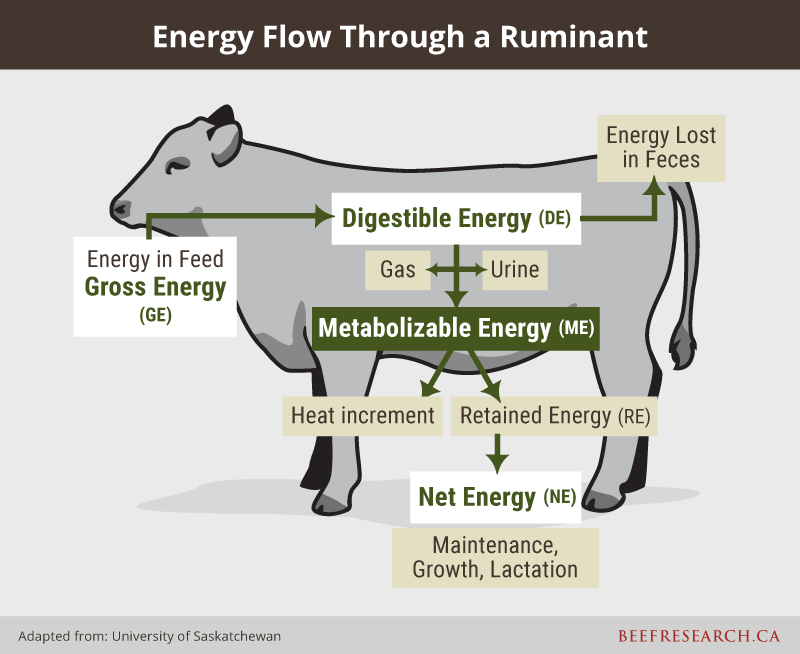
Net energy (NE): A measure of the energy available to an animal for maintenance and productive purposes (growth, gestation and lactation).
- Net energy of maintenance (NEm) is an estimate of the energy value of a feed to maintain animal tissue without gain or loss of weight.
- Net energy of lactation (NEl) estimates the energy available from the feed to support an animal’s requirements for maintenance plus milk production during lactation.
- Net energy of gain (NEg) is an estimate of a feed’s energy value for body weight gain above the energy required for maintenance. It is used in ration balancing for cattle when weight gain is desired.
Neutral detergent insoluble crude protein (NDICP): NDICP is linked to rumen undegradable protein (RUP) meaning that as it increases, the more RUP you will have in the feed sample.
Nitrates (N03-): Natural plant nutrients that can become a dangerous poison for beef cattle when plants accumulate high levels during bad weather or drought.
Nitrite (NO2): When nitrates (NO3-) are consumed at low concentrations, rumen microbes can effectively convert it to nitrite (NO2) and then further to ammonia (NH3) to produce proteins. However, if nitrates are consumed at high concentrations, this metabolic process becomes overwhelmed, leading to a buildup of nitrite. This excess spills over into the bloodstream and binds to hemoglobin, reducing the blood’s oxygen-carrying capacity. The result is similar to carbon monoxide poisoning and is a medical emergency, as cattle can die quickly.
Non-fibrous carbohydrates (NFC): The soluble components of the plant stored in the cell wall (i.e., starch, sugar, soluble fibre, organic acids) that provide energy to an animal. The microbial population within the rumen breaks down the NFCs for use as an energy source. NFC levels will be lower when acid detergent fibre (ADF) and neutral detergent fibre (NDF) portions are higher. Alfalfa hay averages an NFC level around 30%, while grass hay is around 19%.
Non-protein nitrogen (NPN): Non-protein nitrogen sources do not contain amino acids. Rumen microbes can convert nitrogen to microbial crude protein (MCP) if adequate energy is available in the diet. However, as rumen microbes breakdown NPN, they produce ammonia. If energy is insufficient, the ammonia may be absorbed at levels too high for the liver to break down, resulting in toxicity. Urea is a common NPN source for use in beef cattle rations. Ammonia toxicity is a concern when urea is included in the diet, but can be managed with proper dosage, use and mixing techniques.
Nutrient deficiency: A nutritional shortfall occurring when an animal’s intake of essential nutrients, such as vitamins, minerals or energy, is insufficient to meet bodily requirements. This results in impaired growth, reduced immunity or lower reproduction. Deficiencies can be categorized as primary (low nutrient levels in feed) or secondary (dietary antagonists blocking nutrient absorption).
Nutrient density: Nutrient concentration per unit of feed.
Nutrient requirement: The quantity of a nutrient needed for a specific animal and production level to maintain optimum health and productivity.
O
Opportunity cost: Any option for extra profit or cost savings a producer may be giving up in pursuit of their current production practice or marketing strategy.
Example #1 – the potential added calf weight when using a bull with a higher EPD for growth and efficiency traits than the current herd bull.
Example #2 – the potential cost savings from only keeping replacements from good-mothering cows that do not need assistance while calving.
Example #3 – the increased profit from keeping records to strategically inform breeding replacements and culling decisions using historical records and farm-specific data.
Organic matter: Total dry weight of the feed minus minerals (i.e., ash).
Organic trace minerals: Organic trace minerals are bonded to amino acids, proteins or organic acids in a way that makes them more bioavailable to the animal. Examples include zinc methionine, copper proteinate and manganese amino acid complexes.
Orts: See feed refusal.
P
Palatability: The preference an animal has for a particular feed when offered a choice.
Parentage testing: Parentage testing confirms the identity of the sire of the offspring by comparing the calf’s DNA to potential bulls. Typically, these tests are used to confirm the accuracy of pedigrees and paternity information, accurately identifying the sire so that the calf’s performance is accurately associated with the right sire and the EPDs can be updated appropriately. These tests not only confirm pedigree but also can provide information to make important management decisions in a commercial cow-calf operation setting. A typical parentage panel consists of 120 single nucleotide polymorphisms (SNPs).
Phenotype: The observable traits that an animal expresses (e.g., coat colour, ribeye area, weaning weight).
Phosphorus (P): A macromineral required for bone development, energy transfer and reproduction.
Physically effective neutral detergent fibre (peNDF): That fraction of neutral detergent fibre that stimulates chewing.
Pica: A behaviour caused by a deficiency in minerals such as sodium and phosphorus. Affected animals will eat dirt.
Post-weaning weights: These weights measure the growth of an individual animal after weaning, indicating the ability of that calf to perform on its own without influence from the dam. These records are important as weaning weight is largely influenced by the dam and the quantity and quality of milk and care she is providing to that calf. However, once weaned, it becomes apparent if that calf can adjust to new feed and environments to hit targeted growth rates. This information can provide useful information when making breeding decisions to ensure you have a calf that can perform well on pasture in addition to in a backgrounding or finishing setting.
Potassium (K): A macromineral that serves to maintain acidity levels in body fluids and pressure in body cells. Forages normally contain adequate amounts of potassium. Supplementation might be necessary for high grain diets.
Pregnancy status: Pregnancy checking in late summer or fall (depending on your breeding season) provides you with information to make the best economical decisions for your herd. Having an accurate number for open heifer and open cow rates that can be compared from year to year can help identify a wreck before it happens. A significant increase in open rates can indicate nutritional or management issues that should be addressed. Beyond this, knowing which cows or heifers are open and which are not allows you to make an informed open cow/heifer marketing strategy. Open cow and heifer prices at the time of preg checking will help indicate whether it is more economical to keep those females and sell them in the spring or sell them right away. Information is power, and knowing what your operation’s “normal” is and what is actively going on in your herd can help boost that bottom line.
Premix: A concentrated blend of vitamins, trace minerals and a carrier that helps ensure these nutrients are evenly mixed throughout a ration. Compared with mineral supplements, premixes contain higher levels of vitamins and trace minerals.
Primary mineral deficiency: Occurs when cattle are consuming a diet devoid of that mineral.
Purebred: Purebred cattle are comprised on only one beef breed, like straightbred, but they also can come from a sire and dam that are registered with that specific breed association and where all ancestors (or most) are registered.
R
Rate of digestion: Speed at which feed is broken down in the digestive tract.
Rate of passage: Speed at which feed moves through the digestive tract.
Ration: A balanced, daily mixture of feedstuffs designed to meet the specific nutritional needs of an animal at a given stage of production.
Relative feed value (RFV): An index that estimates intake and digestibility and is useful for evaluating 100% alfalfa hay or silage only, with full bloom alfalfa hay used as the baseline with an RFV of 100. Values below 80 normally do not meet animal energy requirements. It is not reliable for mixed hay, grass hay or cereal greenfeed. It is often used for price discovery but is not helpful when balancing rations.
Relative forage quality (RFQ): An index that estimates intake and total digestible nutrients (TDN). The estimate of intake is based on different equations for grasses versus legumes or legume-grass blends and includes additional factors to improve the accuracy of prediction, as well as in vitro measures of neutral detergent fibre (NDF) digestibility. RFQ can be used for legume, grass and legume/grass mixtures. The RFQ value for full-bloom alfalfa hay will be similar to the relative feed value (RFV), but when samples differ in NDF digestibility, RFQ will differ from RFV.
Reproduction traits: Reproduction traits typically have low heritability and include fertility, age at first calving, calving interval and scrotal circumference.
Residual feed intake (RFI): A measure of feed efficiency. Describes the difference between an animal’s actual feed intake and expected requirements for growth and maintenance.
Rumen degradable protein (RDP): Portion of ingested protein that is susceptible to digestion by rumen microorganisms. This portion is used in the synthesis of microbial protein.
Rumen undegradable protein (RUP): The portion of ingested protein that bypasses the rumen, with further digestion occurring in the intestinal tract. Not susceptible to digestion by rumen microorganisms.
S
Secondary mineral deficiency: Occurs when cattle are consuming enough of a specific mineral to meet requirements, but mineral antagonists are present in the diet which interfere with the normal absorption of that mineral.
Selection indexes: Combine several traits into one value. Differences in two animal indices is the expected average value differences of their calves.
Selenium (Se): An essential trace mineral important in immune function, fetal development, fertility and muscle development.
Single nucleotide polymorphism (SNP): Substitution of a single nucleotide at a specific position in the genome. This is the most common form of genetic variation between individuals.
Sodium (Na): A macromineral important in regulation of fluid balance, nerve function, muscle contraction and nutrient transport. It is typically supplemented through salt and is important in regulating feed intake, growth, reproduction and herd performance.
Soluble crude protein (SCP): The most readily available form of protein to the animal. SCP is expressed as a percentage of crude protein.
Soluble intake protein (SIP): The portion of the protein intake that is completely soluble in rumen fluid and rapidly utilized by bacteria.
Starch: A measure of the easily digested carbohydrates found in a feed sample.
Straightbred: The breeding herd is comprised of only one breed of cattle, resulting in a homogenous herd where cattle responses to environmental and nutritional factors are easier to predict.
Sulfur (S): A macromineral essential for synthesizing microbial protein, amino acids and certain vitamins.
Supplement: Feed or feed mixtures used to improve the nutritional value of the base ration. A supplement is rich in one or more of protein, energy, vitamins, minerals or antibiotics, and it is combined with other feeds to produce a more complete feed.
T
Temperament: Often overlooked, temperament is a very heritable trait that can have major implications on the day-to-day operation of your farm. While the main reason producers select for temperament is safety, there is also evidence to show that calmer cattle have improved performance and beef quality. While handling practices and training can improve the fear and stress experienced by individual cattle associated with human handling, some cattle are just genetically more docile than others and will raise calves that are more likely to be docile. The same goes for cows genetically predisposed to be more agitated and aggressive who will raise calves who will likely express those same behaviours.
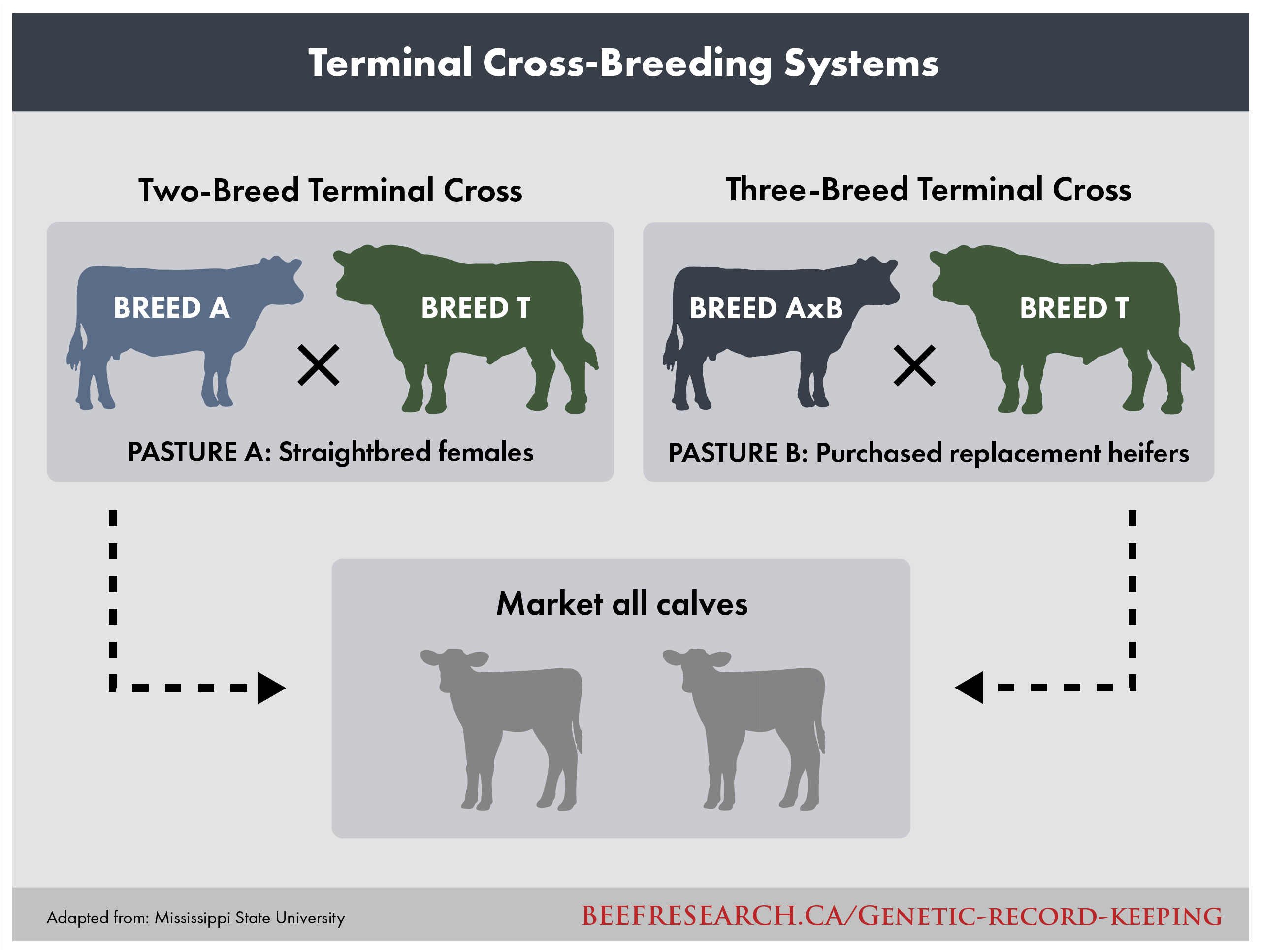
Terminal crossing: Breeding a terminal bull (i.e., a bull with high genetic merit for growth, efficiency and carcass traits) to a dam that will be marketed after weaning. Can use a two-way or three-way rotational system to achieve these crosses.
Can use a two-way cross, breeding a breed A dam to a breed B bull where replacement heifers are bought in and all calves are marketed. This takes advantage of individual heterosis in the offspring.
Can also use a three-way terminal cross where crossbred (breed A x breed B) replacement heifers are bought in and bred to a breed C sire. All resulting calves are marketed. This allows an operation that still relies on buying replacements every cycle to still take advantage of individual and maternal heterosis.
Terminal traits: These are selected traits to yield calves that will not enter the reproductive herd. Bulls selected for terminal traits will have offspring that are superior when it comes to growth, efficiency and carcass quality.
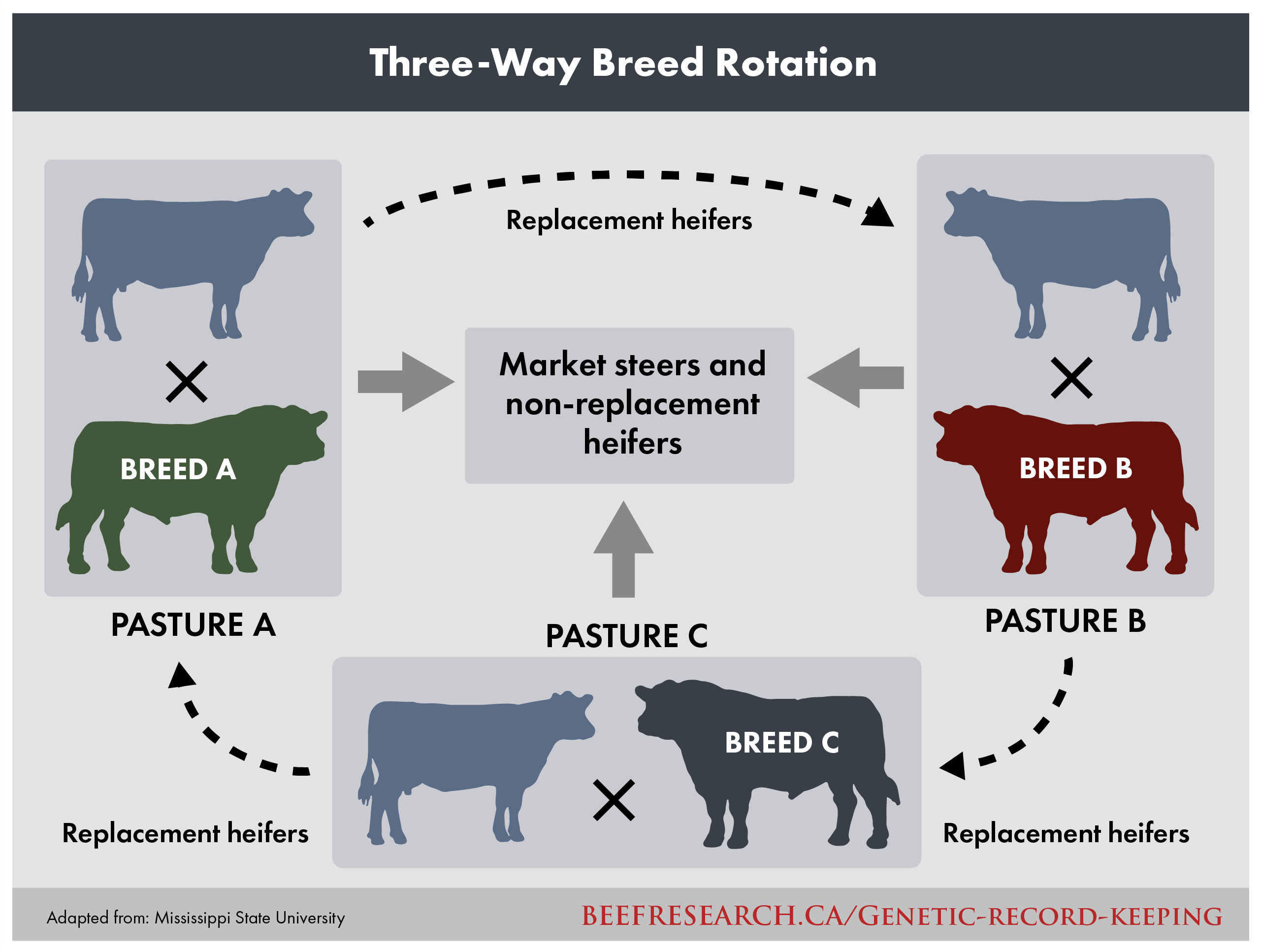
Three-way rotation: Similar to the two-way rotation with another breed added. Females sired by breed A are bred to breed B, females sired by breed B are bred to breed C, and females sired by breed C will be bred to breed A. Market steers and keep heifers for replacement. There is more individual and maternal heterosis potential compared to the two-way rotation but requires three breeding pastures and more labour due to the increased complexity of the system.
Total digestible nutrients (TDN): Defined as digestible carbohydrate + digestible protein + (digestible fat x 2.25), reflecting the greater caloric density of fat. A TDN value can be converted into estimates of digestible, metabolizable or net energy. It’s most useful and accurate for rations comprised primarily of plant-based forages.
Total dissolved solids (TDS): Measures all dissolved substances in water other than water molecules themselves and is used as an indicator of inorganic salts including calcium, magnesium, potassium, sodium, carbonates, nitrates, chlorides and sulphates.
Total mixed ration (TMR): Homogeneous mixture of mechanically mixed ration ingredients, including roughages.
Toxicity: The extent to which a substance is poisonous to animals.
Trace minerals: Minerals required in small amounts, including copper (Cu), zinc (Zn), manganese (Mn), iodine (I), iron (Fe), cobalt (Co) and selenium (Se).
Trade-offs: This occurs when selection for a desirable trait results in reduced performance in a different desirable trait (e.g., high YW = high MCW).
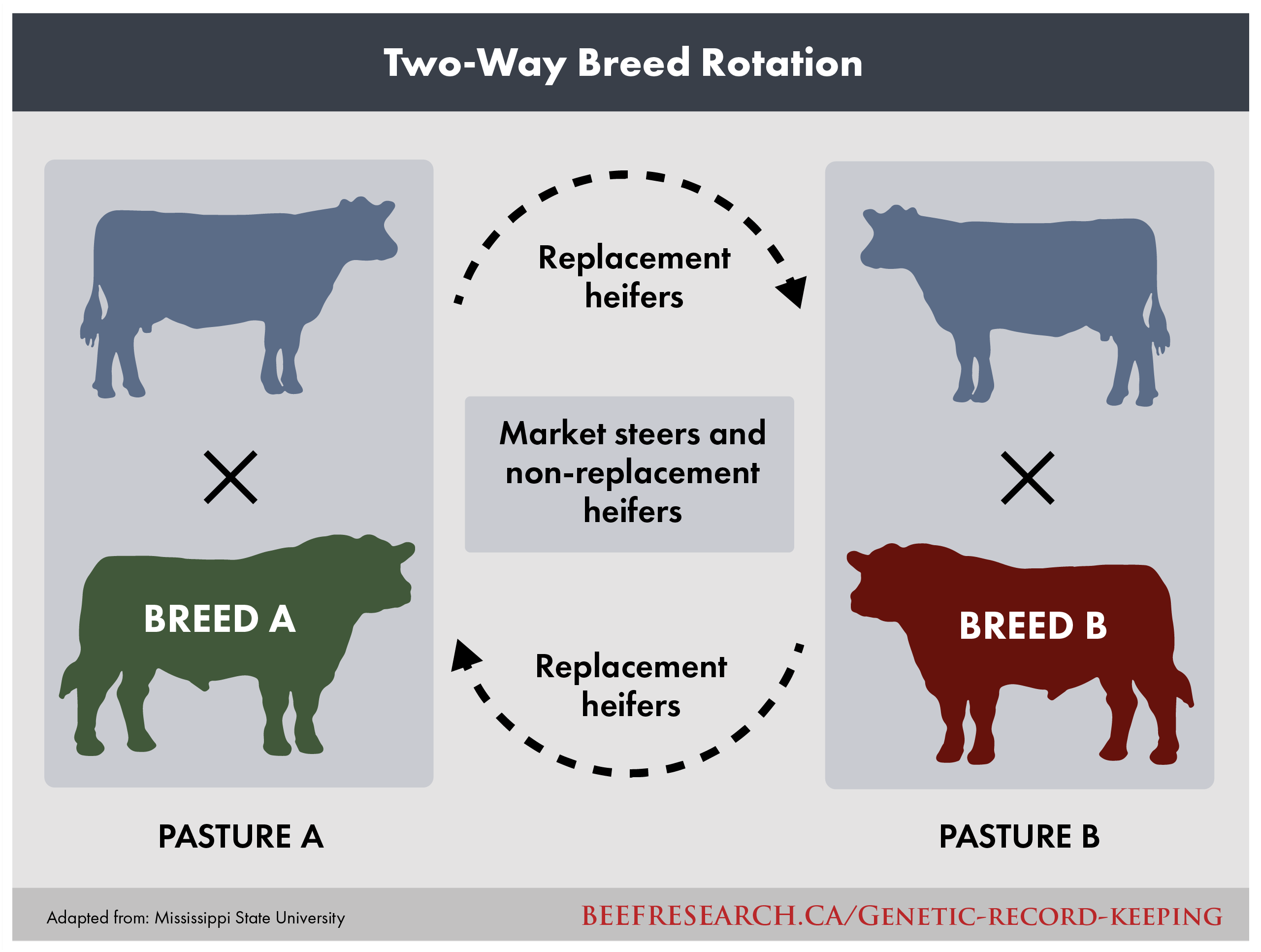
Two-way rotation: Method of crossbreeding that uses two different breeds of sire to take advantage of individual and maternal heterosis. Females sired by breed A will be bred to breed B and females sired by breed B are bred to breed A. Heifers will be retained as replacements and bred to the breed they were not sired by, while steers are marketed.
U
Undegradable intake protein (UIP): See rumen undegradable protein.
V
Vitamin: Organic compounds that typically function as parts of enzyme systems essential for many metabolic functions.
Voluntary feed intake: The amount of feed an animal chooses to consume each day when it has free access to feed or forage.
W
Water soluble vitamin: Vitamins that dissolve in water, including the B complex vitamins and vitamin C.
Weaning weight: This is a very heritable trait defined as the weight of a calf at the time they are being weaned from their dams. This is typically the weight they will be marketed at should they be sold to a backgrounding or finishing operation at that time, and it is an indicator of growth efficiency from birth. Weaning weight is typically adjusted to a common age of 205 days to ensure accuracy to compare across individuals or when analyzing an average.
Wet chemistry: Method of determining the nutrient content of feed and forage through traditional chemical procedures.
Y
Yearling weight: This is the combined pre-weaning and post-weaning weights of a calf. Yearling weights are typically adjusted to a common age of 365 days to ensure accuracy to compare across individuals or when analyzing an average.
Z
Zinc (Zn): An essential micromineral (trace mineral) important in immune function, fetal development, fertility, milk production and muscle, skin and hoof development.